
Polyphenols Nutrition Facts: A Complete Guide

Table of Contents
What Are Polyphenols Nutrition Facts
Classification of Polyphenols: Flavonoids, Phenolic Acids, and More
Foods High in Polyphenols: Top Dietary Sources
Plant-Based Superfoods Rich in Polyphenols
Beverages and Functional Drinks
Polyphenol Health Benefits: What the Science Shows
Antioxidant Activity and Free Radical Protection
Inflammation and Cardiovascular Health
Blood Glucose Control and Metabolic Health
Gut Microbiome and Colon Health
Bioavailability and Absorption: Maximizing Polyphenol Uptake
How Your Body Processes Polyphenols
The Role of Fiber and Gut Bacteria
Cooking Methods and Preparation Impact
Polyphenols vs. Antioxidants: Understanding the Difference
Practical Daily Meal Planning for Polyphenol Intake
Synergistic Effects and Combined Benefits
Individual Variability and Personalization
Frequently Asked Questions
Last Updated: September 28, 2026
What Are Polyphenols Nutrition Facts
Polyphenols are naturally occurring phytonutrients found in plant-based foods that function as powerful antioxidants in your body. These micronutrients contain multiple phenolic hydroxyl groups, which give them their distinctive ability to neutralize free radicals and protect cells from oxidative stress. When you consume foods high in polyphenols, you're delivering compounds that your cells can use immediately to support cardiovascular health, metabolic function, and long-term wellness.
Understanding polyphenols nutrition facts matters because bioavailability, how much your body actually absorbs and uses, varies dramatically based on food source, preparation method, and your individual gut microbiome composition. A single apple contains roughly 100-200 mg of polyphenols, while a cup of green tea delivers 25-50 mg.
Key Takeaway Polyphenols are plant compounds that protect your cells from damage. The amount your body absorbs depends on what you eat, how you prepare it, and your personal digestion.
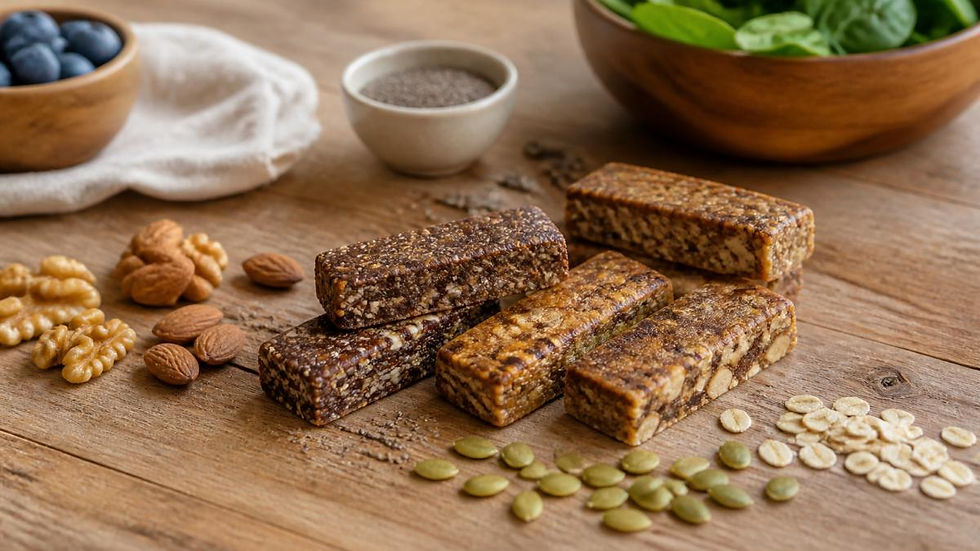
Pranam Bars are scientifically formulated to be exceptionally high in polyphenols and essential antioxidants through careful selection of plant-based superfoods, recognizing that synergistic effects matter as much as individual nutrient levels.
Classification of Polyphenols: Flavonoids, Phenolic Acids, and More
Polyphenols divide into four major structural classes, each with distinct health properties and food sources. Understanding this classification explains why dietary diversity matters more than consuming one "superfood" repeatedly.
Flavonoids represent the largest polyphenol class, accounting for roughly 60% of dietary polyphenols, including anthocyanins (deep purple and red pigments in berries), catechins (green tea and dark chocolate), and quercetin (apples and onions). They excel at reducing inflammation and supporting cardiovascular health through antioxidant activity and improved blood vessel function.
Phenolic acids, including chlorogenic acid (coffee) and ellagic acid (berries and pomegranate), regulate blood glucose control and support metabolic health through direct antioxidant mechanisms and by influencing gut bacteria metabolism.
Stilbenes, most famously represented by resveratrol in red wine and grape skins, activate longevity-related proteins through unique cellular pathways.
Lignans, found primarily in seeds (flax, sesame) and whole grains, support hormonal balance and colon health. Your gut bacteria convert them into bioavailable metabolites your cells can use.
Consuming a variety of polyphenol sources delivers better health outcomes than focusing on one food, as each class works through different mechanisms with synergistic protective effects.
Foods High in Polyphenols: Top Dietary Sources
The foods highest in polyphenols cluster into specific categories: berries, dark leafy greens, legumes, nuts, and fermented beverages.

Plant-Based Superfoods Rich in Polyphenols
Berries rank as the most polyphenol-dense whole foods. Blueberries deliver approximately 260 mg per 100 grams, while blackberries exceed 300 mg per 100 grams. Color intensity directly correlates with anthocyanin content.
Dark chocolate with 70% cacao or higher contains 600-900 mg of polyphenols per 100 grams, making it one of the most concentrated dietary sources available.
Nuts, particularly almonds, walnuts, and hazelnuts, provide sustained polyphenol delivery alongside healthy fats that enhance absorption.
Beverages and Functional Drinks
Green tea delivers 25-50 mg of polyphenols per cup, with catechins demonstrating particular effectiveness at supporting metabolic health.
Pro Tip Cold brewing green tea or steeping longer extracts more catechins than quick hot water steeping. The longer contact time between tea leaves and water increases polyphenol extraction without increasing bitterness significantly.
Polyphenol Health Benefits: What the Science Shows
Polyphenols deliver measurable health benefits through multiple biological mechanisms: reducing oxidative stress, modulating inflammation, supporting healthy blood glucose control, and feeding beneficial gut bacteria.
NutritionFacts.org
Antioxidant Activity and Free Radical Protection
Polyphenols neutralize free radicals by donating electrons, stabilizing them before they damage cell membranes, proteins, or DNA, thereby reducing chronic disease risk.
Inflammation and Cardiovascular Health
Polyphenols reduce inflammation by decreasing pro-inflammatory signaling molecules, enhancing anti-inflammatory compounds, and supporting blood vessel integrity.
Blood Glucose Control and Metabolic Health
Polyphenols slow carbohydrate digestion, reduce glucose absorption, and enhance insulin sensitivity. Phenolic acids demonstrate particular effectiveness, explaining associations between coffee and tea consumption and reduced type 2 diabetes risk.
Gut Microbiome and Colon Health
Your gut bacteria ferment polyphenols, producing short-chain fatty acids (particularly butyrate) that nourish your intestinal lining and reduce colon inflammation.
Bioavailability and Absorption: Maximizing Polyphenol Uptake
Bioavailability, the proportion of consumed polyphenols that reaches your bloodstream in active form, varies from 5% to 60% depending on the specific compound, food source, and individual factors.
How Your Body Processes Polyphenols
Your small intestine absorbs some polyphenols directly, but the majority reach your colon where your microbiome transforms them into bioavailable metabolites. Intestinal health and microbiome composition directly affect polyphenol effectiveness.
The Role of Fiber and Gut Bacteria
Fiber slows digestion, allowing more polyphenols to reach your colon intact for microbial fermentation. Foods naturally high in both fiber and polyphenols deliver superior health benefits compared to isolated supplements.
Cooking Methods and Preparation Impact
Steaming vegetables retains 80-90% of polyphenols, while boiling reduces retention to 50-70%. Microwaving and light sautéing preserve polyphenols effectively while improving digestibility.
Watch Out Boiling vegetables in large volumes of water can reduce polyphenol content by 50% or more because polyphenols leach into the cooking liquid. Use minimal water, save the cooking liquid for soups, or choose steaming instead.
Polyphenols vs. Antioxidants: Understanding the Difference
"Polyphenols" and "antioxidants" describe different concepts: antioxidants are any compounds that neutralize free radicals, while polyphenols are compounds with multiple phenolic groups. All polyphenols function as antioxidants, but not all antioxidants are polyphenols.
Practical Daily Meal Planning for Polyphenol Intake
A practical approach targets 500-1000 mg of polyphenols daily through regular consumption of diverse plant-based foods, aligning with amounts studied in observational research showing health benefits.
Synergistic Effects and Combined Benefits
Polyphenols work more effectively when consumed as part of diverse plant-based meals rather than isolated in supplements. A berry-based breakfast delivers superior health benefits compared to a polyphenol supplement because whole foods contain supporting compounds that enhance absorption and effectiveness.
Individual Variability and Personalization
Your polyphenol response depends on genetics, current health status, microbiome composition, and medications. This individual variability explains why polyphenol recommendations work as guidelines rather than universal prescriptions.
Polyphenol Source | Approximate Content (mg per serving) | Best Preparation | Bioavailability Notes |
Blueberries (1 cup) | 260-300 | Fresh or lightly cooked | High; anthocyanins absorb readily |
Dark chocolate (1 oz, 70%+) | 150-225 | Consumed as-is | Enhanced with fat; pairs well with nuts |
Green tea (1 cup) | 25-50 | Steeped 3-5 minutes | Longer steeping increases catechin extraction |
Walnuts (1 oz) | 95 | Raw or lightly toasted | Enhanced absorption with polyphenol-rich foods |
Lentils (1 cup cooked) | 250-300 | Boiled or simmered | Fiber enhances microbiome fermentation |
Pomegranate (1 fruit) | 400-500 | Fresh or juice | Ellagic acid shows strong bioavailability |
Frequently Asked Questions
What food has the highest polyphenols?
Berries, particularly blueberries and blackberries, rank among the highest polyphenol sources, delivering 300-700 mg per 100 grams. Dark chocolate, cloves, and dried oregano also contain exceptionally high levels. Red grapes, pomegranates, and dark leafy greens like spinach provide significant amounts. Whole plant foods retain polyphenols best when consumed raw or minimally processed, making fresh produce and whole-plant nutrition bars effective dietary sources.
Are polyphenols really good for you?
Yes, polyphenols offer measurable health benefits supported by peer-reviewed research. These phytonutrients reduce oxidative stress by neutralizing free radicals, lower inflammation markers, support cardiovascular health, and improve blood glucose control. They also feed beneficial gut bacteria, promoting colon health and metabolic wellness. The bioavailability and absorption of polyphenols depend on food preparation and individual gut microbiome composition, but consistent dietary intake of polyphenol-rich whole plant foods correlates with improved long-term health outcomes.
How do polyphenols affect bioavailability in the body?
Polyphenol bioavailability varies based on the food source, preparation method, and your gut microbiome. Raw foods typically preserve more polyphenols than heavily cooked versions. Your digestive enzymes break down some polyphenols into absorbable metabolites, while gut bacteria ferment others, producing short-chain fatty acids. Fiber intake enhances absorption by feeding beneficial microorganisms and slowing digestion. Individual variability in enzyme activity and bacterial composition means absorption rates differ between people, even with identical dietary intake.
Do polyphenols have side effects?
Polyphenols are generally safe at dietary intake levels. Some individuals experience mild digestive changes (gas or bloating) when dramatically increasing fiber-rich, polyphenol-dense foods, as gut bacteria adjust. This typically resolves within days. People taking blood thinners should consult their doctor before significantly increasing polyphenol intake from concentrated sources. Whole plant foods are far safer than isolated polyphenol supplements. Pranam Bars deliver polyphenols through natural, whole-food ingredients formulated to support digestion and gut health without adverse effects.
What drink is highest in polyphenols?
Green and black tea contain 100-300 mg of polyphenols per cup, with white tea offering slightly less. Coffee provides 200-550 mg per serving. Red wine (in moderate amounts) delivers 160-340 mg per glass. Pomegranate juice and berry juices are also rich sources. However, whole fruits and plant-based bars retain fiber alongside polyphenols, supporting better absorption and sustained energy compared to juices alone, which lose fiber during processing.
How much polyphenol intake do I need daily?
Most research suggests 500-1,000 mg daily supports optimal health benefits, though some studies show benefits at lower intakes. A single serving of berries, a cup of tea, and a polyphenol-rich snack easily meet this target. Individual needs vary based on age, health status, and dietary goals. Rather than tracking exact milligrams, focus on eating diverse whole plant foods throughout the day, berries, nuts, dark chocolate, leafy greens, and legumes. Pranam Bars simplify this by concentrating polyphenols in convenient, measured servings.
Can cooking destroy polyphenols?
Cooking can reduce polyphenol content, but the effect depends on method and duration. Boiling causes the greatest loss (20-50%), as polyphenols leach into water. Steaming, microwaving, and brief sautéing preserve 70-90% of polyphenols. Some foods, like tomatoes, actually release more bioavailable polyphenols when cooked. Raw consumption maximizes polyphenol content, but modest cooking doesn't eliminate benefits. Eating a mix of raw and lightly cooked plant foods ensures you capture polyphenols across preparation methods.
Shop Bars Now


Comments