
High Antioxidant Snacks for Energy: 2026 Guide

Table of Contents
What Are Antioxidants and Why They Matter for Energy
How High Antioxidant Snacks Support Sustained Energy and Metabolic Health
Fighting Oxidative Stress at the Cellular Level
Blood Sugar Regulation and Sustained Performance
Best Gluten-Free Plant-Based Bars for Antioxidant Support
Why Pranam Bars Stand Apart
Top Antioxidant-Rich Fruits, Nuts, and Whole Grains for Energy
Berries and Fruits High in Polyphenols
Nuts, Seeds, and Omega-3 Rich Options
Whole Grains and Fiber for Stable Energy
The Pairing Rule That Makes It Work
Bioavailability: Getting the Antioxidants Into Your Cells
How to Choose Healthy Energy Bars That Deliver Real Results
Reading Labels for True Antioxidant Content
Avoiding Hidden Sugars and Digestive Issues
Benefits of Organic Plant-Based Nutrition for Immune Function
Easy Ways to Incorporate Antioxidant Snacks Into Your Workday
Timing Snacks to Prevent the Afternoon Crash
Pre-Workout and Post-Workout Recovery Snacking
On-the-Go and Travel-Friendly Options
Building a Desk Drawer That Works
Hydration and Antioxidant Absorption
Frequently Asked Questions
Last Updated: October 7, 2026
What Are Antioxidants and Why They Matter for Energy
Antioxidants are molecules that protect your cells from damage caused by free radicals, unstable atoms that form during normal metabolism and stress.
Without them, oxidative stress builds up and you feel more tired. High antioxidant snacks for energy deliver the protective nutrients that keep your cellular machinery running smoothly.
At Pranam Bars, we've built our entire product line around this science. Our bars are scientifically formulated to be exceptionally high in polyphenols and essential antioxidants, plant antioxidants that research shows may support cellular health and sustained energy production.
Less oxidative stress means your cells focus on producing energy instead of fighting damage, which is why athletes and busy professionals are turning to nutrient-dense snacks rather than sugar-heavy alternatives.
How High Antioxidant Snacks Support Sustained Energy and Metabolic Health
High antioxidant snacks for energy do more than provide calories: they stabilize blood sugar, reduce inflammation, and support your mitochondria, which means steady energy throughout the day.
Fighting Oxidative Stress at the Cellular Level
Exercise, stress, and even normal breathing create free radicals. When you eat high antioxidant snacks for energy, plant-based polyphenols neutralize them before they damage your DNA, proteins, and cell membranes.
Common antioxidants you'll find in quality snacks include:
Flavonoids, found in berries, dark chocolate, and tea
Vitamin E, protects cell membranes from oxidative damage
Vitamin C, supports immune function and collagen production
Blood Sugar Regulation and Sustained Performance
Most energy snacks spike your blood sugar, then leave you crashing an hour later. High antioxidant snacks for energy work differently: their fiber, healthy fats, and plant-based proteins slow glucose absorption, so blood sugar rises gradually and energy stays stable.
Sustained energy comes from three factors:
Fiber content, slows digestion and keeps blood sugar steady
Healthy fats, provide slow-burning fuel your body can use for hours
Micronutrients, support metabolic function and energy production
Combined with high antioxidant content, these factors let your cells focus on sustained ATP production.
Best Gluten-Free Plant-Based Bars for Antioxidant Support
Why Pranam Bars Stand Apart
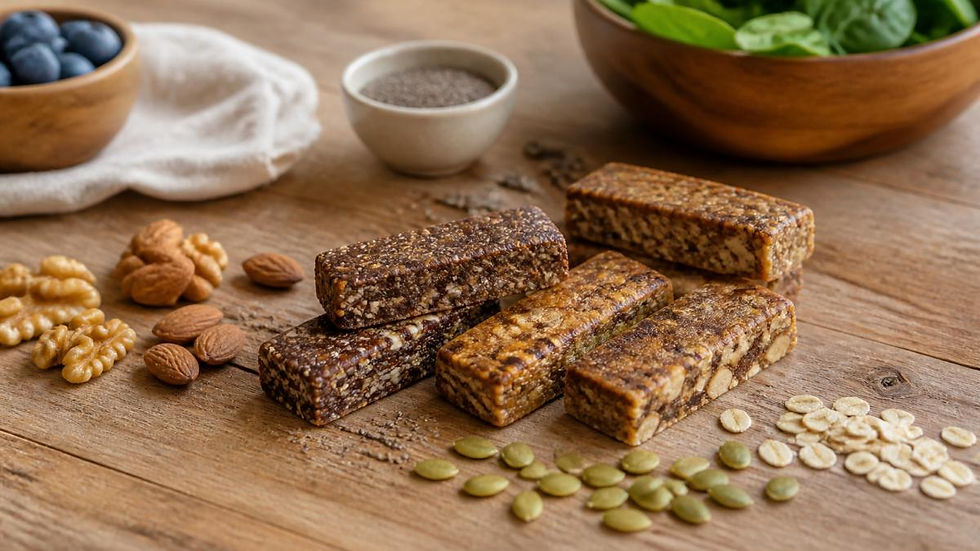
Pranam Bars are 100% plant-based, organic, gluten-free, and designed to deliver exceptional antioxidant content.
What makes us different:
Highest polyphenol concentration
Handmade in small batches, crafted in small batches in Baton Rouge, Louisiana
Formulated by a neuroscientist, our founder brings research-backed nutrition science to every recipe
Every Pranam Bar sustains your energy, supports gut health, and keeps you satisfied for hours.
Top Antioxidant-Rich Fruits, Nuts, and Whole Grains for Energy
Most lists of antioxidant foods just name the food. What matters for sustained energy is which foods deliver antioxidants and the fiber, fat, and protein that keep blood sugar steady.
Berries and Fruits High in Polyphenols
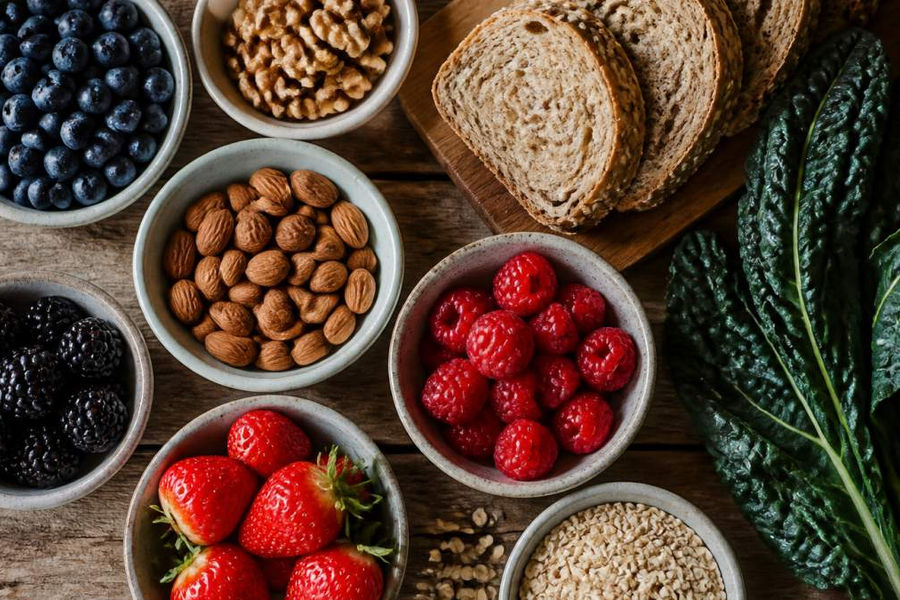
Berries are the most concentrated whole-food antioxidant source you can eat without preparation. Blueberries, blackberries, raspberries, and strawberries all deliver anthocyanins, some of the most studied polyphenols in the human diet (pubmed.ncbi.nlm.nih.gov). They're also ideal for energy: a cup of fresh raspberries has roughly 8 grams of fiber and only about 5 grams of net carbs, so the sugar arrives slowly without the spike-and-crash of a granola bar or fruit juice.
Other fruits worth rotating in:
Pomegranate, arils contain punicalagins, a large-molecule polyphenol; eat the seeds whole rather than drinking the juice to keep the fiber
Tart cherries, one of the few food sources of melatonin alongside anthocyanins; a common pattern among athletes is tart cherry after evening training to support sleep and recovery
Dark grapes, resveratrol is concentrated in the skin, so red and purple varieties carry more than green
Whole fruit beats juice every time for energy. Juicing strips the fiber matrix that slows sugar absorption, so a glass of orange juice can hit your bloodstream faster than a candy bar while delivering a fraction of the polyphenols.
Nuts, Seeds, and Omega-3 Rich Options
Nuts and seeds carry fat-soluble antioxidants that need fat to be absorbed, and supply slow-burning fuel that keeps you full past the two-hour mark.
Top choices and what each one actually contributes:
Walnuts, the highest omega-3 (alpha-linolenic acid) content of any common nut; about 2.5 grams per ounce. ALA supports brain and cardiovascular health, and the fat content slows digestion of whatever you eat alongside them
Almonds, roughly 7.3 mg of vitamin E per ounce, which covers about half the daily recommended intake. Vitamin E is fat-soluble, so it's absorbed efficiently from the almond's own fat
Sunflower seeds, one of the densest food sources of selenium, a mineral that supports antioxidant enzyme function
A one-ounce handful runs roughly 160-200 calories, enough fuel to bridge to your next meal without becoming a meal itself.
Whole Grains and Fiber for Stable Energy
Refined carbohydrates spike blood sugar and crash it. Whole grains do the opposite: the intact bran and germ slow starch digestion and deliver antioxidants refined flour has lost.
Whole grains with meaningful antioxidant content:
Oats, beta-glucan fiber forms a gel in the gut that slows glucose absorption; steel-cut and rolled oats retain more of the bran than instant
Quinoa, complete protein and a low glycemic index; a good base for a snack bowl with berries and nuts
Brown rice, B vitamins (thiamin, niacin, B6) that serve as cofactors in converting food into ATP
The Pairing Rule That Makes It Work
Antioxidants alone don't stabilize energy, the combination does. Pair an antioxidant-dense food with a fat or protein source and a fiber source.
Examples that follow the rule:
Berries + Greek yogurt or a plant-based yogurt with live cultures
Apple slices + almond butter
Dark chocolate (70% or higher) + walnuts
The energy benefit of an antioxidant snack comes from the package, not the polyphenols alone. Fiber slows glucose release, fat and protein extend satiety, and antioxidants reduce the oxidative load that accumulates during normal metabolism. Miss any one of the three and you get a snack that either spikes you or leaves you hungry.
Bioavailability: Getting the Antioxidants Into Your Cells
Eating antioxidant-rich food is step one; absorbing the antioxidants is step two, and most articles skip it.
A few practical rules:
Fat-soluble antioxidants (vitamin E, carotenoids, curcumin) need fat. Eating a carrot alone absorbs a fraction of its beta-carotene compared to eating it with olive oil or nuts. The same applies to vitamin E in almonds, it's already packaged with fat, which is part of why nuts are so efficient
Vitamin C boosts iron absorption (Checking your browser). Pairing a vitamin C source (berries, citrus, bell pepper) with an iron source (pumpkin seeds, spinach) increases non-heme iron uptake, which matters for energy because iron is required for oxygen transport
Cooking can help or hurt. Lycopene in tomatoes becomes more bioavailable when cooked, while vitamin C in berries degrades with heat. Raw berries, cooked tomatoes
Pairing these nutrient-dense whole foods with the right
antioxidant tea choices
provides a sustained metabolic lift that carries you through the most demanding afternoons.
How to Choose Healthy Energy Bars That Deliver Real Results
Reading Labels for True Antioxidant Content
Most nutrition bars claim to be "antioxidant-rich" without backing it up. The label tells the real story.
Look for these markers of genuine antioxidant content:
Ingredient list, whole foods should come first, not sweeteners or fillers
Polyphenol content, quality bars list this explicitly or reference ORAC value testing
Organic certification, indicates stricter ingredient standards
A bar with 15 grams of added sugar is not a high antioxidant snack for energy. It's a candy bar with marketing language. Real antioxidant bars prioritize nutrient density over sweetness.
Avoiding Hidden Sugars and Digestive Issues
Bars sweetened with sugar alcohols, high-fructose corn syrup, or excessive honey cause bloating and digestive discomfort.
Common problems to avoid:
Sugar alcohols, sorbitol and xylitol cause bloating and digestive upset
High fructose corn syrup, inflammatory and linked to metabolic issues
Artificial sweeteners, may disrupt gut bacteria and cause cravings
A quality high antioxidant snack for energy should digest smoothly. If you feel bloated after a bar, the ingredients aren't working with your body.
Benefits of Organic Plant-Based Nutrition for Immune Function
Organic plant-based snacks support your immune system in ways conventional foods cannot: pesticide residues create extra oxidative stress, and organic ingredients eliminate that burden.
Plant-based nutrition delivers:
Phytonutrients, compounds in plants that support immune cell function
Prebiotics, fiber that feeds beneficial gut bacteria
Vitamins and minerals, cofactors your immune system needs to function
Your gut health directly impacts immune function, so eating high antioxidant snacks for energy made from organic plant-based ingredients supports both energy production and immune defenses.
Easy Ways to Incorporate Antioxidant Snacks Into Your Workday
Most advice on antioxidant snacking ignores the hardest part: making it work around a real schedule. Here's how to time and pair snacks so blood sugar stays flat through the afternoon, plus travel and shelf-stable options.
Timing Snacks to Prevent the Afternoon Crash
The mid-afternoon crash isn't a character flaw, it's a glucose curve. A high-carb lunch without enough fiber, fat, or protein pushes blood sugar up fast, insulin responds, and the drop sends you to the vending machine.
What to look for in that snack:
Fiber, at least 3 grams to slow glucose absorption
Protein, 5 to 10 grams to extend satiety and blunt the insulin response
Fat, 5 to 10 grams, ideally from nuts, seeds, or olive oil, which also improves absorption of fat-soluble antioxidants
A snack that hits all four keeps you steady for 2 to 3 hours. A snack that hits only the first one, say, a banana, gives you 30 to 45 minutes and then drops you.
Pre-Workout and Post-Workout Recovery Snacking
Exercise temporarily increases oxidative stress, part of the adaptation signal, so antioxidant timing around a workout matters more than at any other point in the day.
Pre-workout (30-60 minutes before):
A small bar or a handful of nuts with a few dried berries
Half a banana with a tablespoon of almond butter
A piece of whole grain toast with nut butter
The goal here is a modest, slow-release carbohydrate load plus a little fat and protein.
Post-workout (within 30-60 minutes):
A bar with 15-20 grams of protein plus berries
A smoothie with tart cherry, plant-based protein, and a tablespoon of flax
Greek or plant-based yogurt with mixed berries and walnuts
This is the better window for a concentrated antioxidant hit. Polyphenols from berries and tart cherries support recovery, and the protein and carbohydrate rebuild glycogen and muscle.
Skip the antioxidant megadose right before a hard workout. A small whole-food snack is fine; a 1,000 mg vitamin C supplement 20 minutes before training is not the same thing and may work against you.
On-the-Go and Travel-Friendly Options
Most antioxidant snack guides skip shelf-stable, no-refrigeration options for commuters, travelers, and desk workers. Here's what holds up.
Shelf-stable, no-prep options:
Nutrition bars with whole-food first ingredients, check that the first three ingredients are recognizable foods, not syrups or isolates
Dried berries (unsweetened), concentrated polyphenols, lightweight, no refrigeration; watch for added sugar in cranberries especially
Mixed nuts and seeds, portion into small bags ahead of time so you don't overeat from a large container
What to avoid in a travel snack:
Bars with more than 10 grams of added sugar
Anything with a coating that melts above 75°F
Snacks that require a shaker, blender, or refrigeration
Building a Desk Drawer That Works
Keep three categories on hand to build a snack in under a minute.
Antioxidant base, dried berries, dark chocolate, or a whole-food bar
Fat and protein, nuts, seeds, or single-serve nut butter packets
Fiber, whole grain crackers, roasted chickpeas, or a piece of whole fruit
Combining one from each column gives you a snack that stabilizes blood sugar, delivers antioxidants, and travels without spoiling. Rotate items weekly for polyphenol diversity across plant families.
The workday snack problem isn't about willpower. It's about having the right combination within reach at the right time. Build the drawer, set a 3 p.m. reminder, and the afternoon crash stops being a daily event.
Hydration and Antioxidant Absorption
One overlooked factor: hydration. Water-soluble antioxidants and fiber both depend on adequate fluid intake. If you're dehydrated, digestion slows and your 3 p.m. snack may still be sitting in your stomach at 5 p.m.
Aim for 6 to 8 cups of water across the workday, more if you're active or in a warm environment. Pairing a snack with a full glass also helps with satiety and reduces grazing.
Frequently Asked Questions
What snacks give you the most sustained energy without a crash?
Snacks combining protein, healthy fats, and complex carbohydrates prevent energy crashes. High antioxidant snacks like nuts with berries, whole grain bars, or plant-based options rich in polyphenols stabilize blood sugar. Bars formulated with nutrient-dense ingredients and minimal refined sugars provide steady fuel for hours, making them ideal for busy professionals and fitness enthusiasts who need reliable energy throughout their workday.
Are plant-based antioxidant bars effective for sustained energy?
Yes, when formulated correctly. Plant-based bars high in polyphenols, fiber, and plant-based proteins support metabolic health and sustained energy. The key is choosing bars with whole food ingredients rather than refined sugars. Organic plant-based nutrition bars crafted with superfoods and minimal processing deliver micronutrients and phytonutrients that support cellular health while maintaining stable glucose levels, making them effective for pre-workout fuel and mid-day energy.
How do antioxidants support metabolic health and energy production?
Antioxidants combat oxidative stress by neutralizing free radicals that damage cells and impair energy production. Nutrients like vitamin C, vitamin E, and flavonoids protect mitochondria, the cellular powerhouses responsible for energy generation. By reducing inflammation and supporting cellular health, antioxidants enhance metabolic efficiency. Foods and snacks rich in polyphenols and essential micronutrients optimize how your body converts nutrients into usable energy, reducing fatigue and improving endurance.
What should I look for when choosing a gluten-free plant-based energy bar?
Look for bars with certified organic, whole food ingredients, transparent sourcing, and high polyphenol content. Check labels for minimal added sugars, adequate fiber (3+ grams), and plant-based protein sources. Avoid artificial sweeteners and additives that can cause digestive discomfort. Small-batch, artisanal bars formulated by nutrition experts offer better bioavailability of nutrients.
Shop Bars Now


Comments