
Is Organic Plant-Based Nutrition Worth It for Daily Health?

Table of Contents
What Organic Plant-Based Nutrition Actually Means
Organic vs Conventional Produce: Does the Difference Matter?
Real Health Benefits of a Plant-Based Diet
Plant-Based Diet Nutrient Deficiencies: What You Actually Need to Watch
How to Get Enough Protein on a Vegan Diet
Plant-Based Nutrition Bars: A Practical Solution for Busy Days
Is It Worth the Cost? A Practical Look at Value and Sustainability
Frequently Asked Questions
Last Updated: October 9, 2026
What Organic Plant-Based Nutrition Actually Means
Organic plant-based nutrition combines two choices: eating foods from plants, and choosing organic versions of them.
Plant-based eating centers on whole foods from plants: fruits, vegetables, beans, legumes, whole grains, nuts, and seeds. You might eat all plants (vegan), mostly plants (vegetarian), or simply more plants than most people do.
Organic means the food was grown without synthetic pesticides, fertilizers, or genetic modification. It follows specific standards set by the U.S. Department of Agriculture.
The real question isn't whether plant foods are healthy, they are. It's whether paying more for the organic label changes your health outcome. At Pranam Bars, we've built our line around organic plant-based ingredients because quality matters.
Organic vs Conventional Produce: Does the Difference Matter?
Most articles compare plant-based diets to omnivorous ones without separating the organic label from the dietary pattern, two variables, and mixing them up keeps the "is it worth it" question fuzzy.
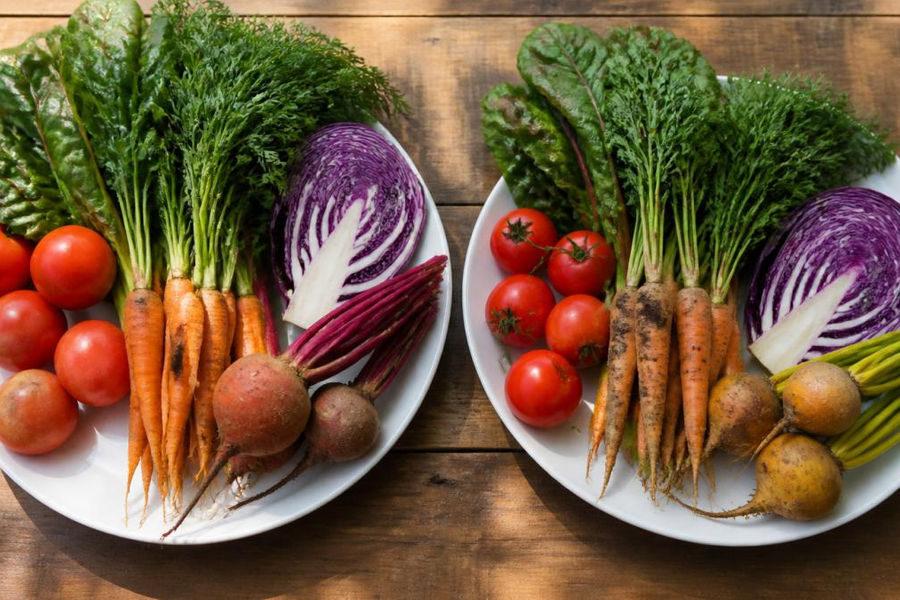
What organic certification actually means. Under the USDA National Organic Program, crops must be grown without synthetic pesticides, synthetic fertilizers, sewage sludge, irradiation, and genetic engineering.
What certification does not guarantee. Organic is a production standard, not a nutrition claim.
What the research does and does not establish.
Nutrient content: Reviews find modest differences, sometimes slightly higher antioxidants or minerals in organic crops, but farm, variety, and harvest variation often exceeds the organic-versus-conventional gap. No credible evidence shows organic produce is dramatically more nutritious.
Pesticide exposure: Both conventional and organic produce can carry detectable residues, synthetic pesticides in the first case, approved substances or drift in the second. The EPA sets tolerances for residues on food, and the vast majority of both organic and conventional samples tested through the USDA Pesticide Data Program fall within them.
Health outcomes: Long-term randomized trials comparing organic and conventional diets on hard endpoints like heart disease or cancer are essentially nonexistent. Observational studies suggest associations, but these are confounded by income, education, and diet quality, organic buyers tend to eat more produce and live healthier.
The honest bottom line: the strongest evidence supports eating more plants, not paying more for organic.
Where organic does have a clearer case:
Environmental and soil health, organic practices tend to support soil organic matter, biodiversity, and reduced synthetic chemical runoff.
Specific subpopulations, pregnant people, infants, and young children are sometimes advised to prioritize organic for certain items due to smaller body size and developing systems, though evidence for measurable benefit is limited.
Personal values, if avoiding synthetic pesticides aligns with how you want to eat, that's a legitimate reason to choose organic even when the nutrition science is a wash.
How to prioritize when the budget is limited. The Environmental Working Group's Shopper's Guide ranks produce by pesticide residue and is a rough triage tool.
Key differences at a glance:
Organic costs roughly 20-40% more on average, with the widest gaps on fresh produce and the narrowest on processed organic foods.
Both organic and conventional foods must meet EPA residue tolerances.
Nutrient content is broadly similar; farm-level variation often exceeds the organic gap.
Organic farming practices tend to benefit soil health and ecosystems.
Certification is a production standard, not a health guarantee.
Key Takeaway If you are choosing between "more plants, conventional" and "fewer plants, organic," choose more plants. Organic is a values and production choice layered on top of a dietary pattern, not a shortcut to better nutrition.
Real Health Benefits of a Plant-Based Diet
A plant-based diet built with whole foods delivers measurable health benefits, this is where the science is strongest. Whole plant foods are nutrient-dense, packed with fiber, antioxidants, vitamins, and minerals.
The House of Wellness
Eating more plants is linked to better cardiovascular health. A diet high in fruits, vegetables, whole grains, beans, and legumes tends to lower blood pressure, improve cholesterol, and support healthier blood sugar and insulin sensitivity.
The anti-inflammatory compounds in plant foods, polyphenols, flavonoids, and other phytochemicals, reduce chronic inflammation, which underlies many age-related health problems. That's why Pranam Bars are exceptionally high in polyphenols: a convenient way to get these protective nutrients in a snack.
Research consistently shows lower rates of heart disease, type 2 diabetes, and certain cancers in populations eating plant-forward diets.
What plant-based eating supports:
Cardiovascular health and healthy blood pressure
Stable blood sugar and insulin sensitivity
Healthy digestion and gut bacteria
Reduced inflammation throughout the body
Better long-term metabolic health
Plant-Based Diet Nutrient Deficiencies: What You Actually Need to Watch
Vitamin B12 is the big one.
Iron from plants (non-heme) is harder to absorb than iron from meat and needs vitamin C to absorb well.
Calcium is available in leafy greens, fortified plant milks, and tofu made with calcium sulfate, but many plant-based eaters fall short.
Omega-3 fats (EPA and DHA) come from fatty fish. Plants contain ALA, which your body converts poorly.
Zinc absorption is lower from plant sources. Legumes, nuts, and seeds help, but consider whether you're getting enough.
The practical solution: track your intake for a few days, identify gaps, and fill them with whole foods first.
How to Get Enough Protein on a Vegan Diet
Protein on a plant-based diet is easier than people think, but requires intention.
The myth is that plant-based protein is "incomplete." It's not. Individual plant proteins have different amino acid profiles, but eating a variety of plant foods across a day gives you all nine essential amino acids, no need to combine them in one meal.
High-protein plant foods:
Legumes (beans, lentils, chickpeas): 15-20g protein per cooked cup
Tofu and tempeh: 15-20g protein per 3.5 oz serving
Nuts and seeds: 5-8g protein per ounce
Whole grains (quinoa, oats): 5-10g protein per cooked cup
Plant-based protein powder: 20-25g per scoop
Most plant-based eaters need 0.8-1.0g of protein per pound of body weight daily, achievable with beans at lunch, tofu at dinner, nuts as a snack, and whole grains throughout the day. The challenge isn't finding protein; it's eating enough calories and variety. Nutrition bars help, a convenient way to add protein between meals without cooking.
Plant-Based Nutrition Bars: A Practical Solution for Busy Days
If you're eating plant-based and managing a full schedule, nutrition bars serve a real purpose.
A good plant-based nutrition bar does three things: provides meaningful protein and fiber so you stay full, contains whole-food ingredients you recognize, and tastes good enough that you want to eat it.
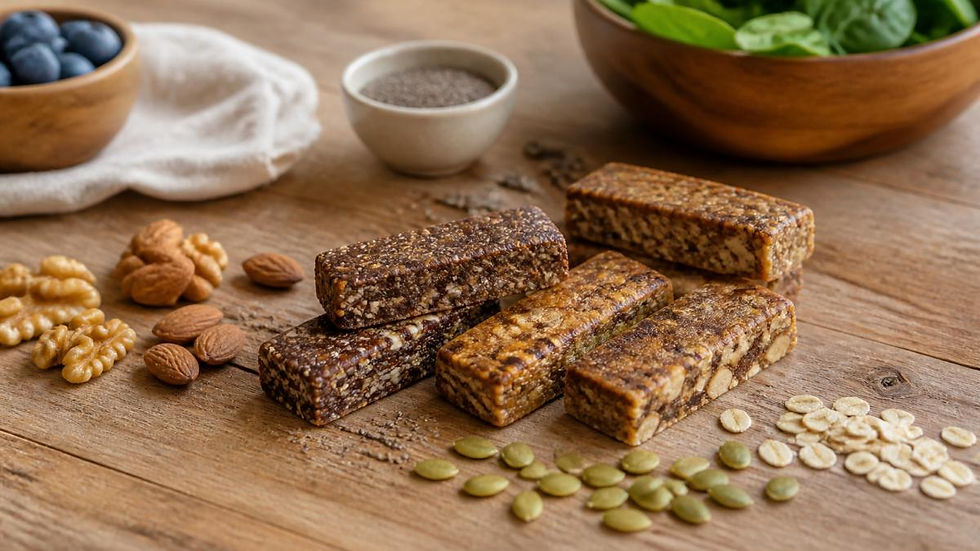
Pranam Bars are formulated differently: 100% plant-based and organic, made in small batches. They're exceptionally high in polyphenols, so you get antioxidants in every bar, and gluten-free, which matters if you have celiac disease or gluten sensitivity.
The real difference shows up when you eat one: you feel satisfied, your digestion doesn't suffer, and you don't get the energy crash from sugar-heavy bars, because the formula prioritizes whole foods and protective nutrients.
For busy professionals, parents juggling schedules, and anyone supporting their health without constant meal prep, a high-quality nutrition bar bridges intention and reality.
Is It Worth the Cost? A Practical Look at Value and Sustainability
"Worth it" is a cost question. The organic premium is real, and the answer depends on which foods you're buying and what you're comparing them to.
Where the organic premium is largest and smallest.
Fresh produce carries the widest organic premium, commonly 20-40%, higher for berries, leafy greens, and out-of-season items.
Pantry staples like dried beans, lentils, rice, oats, and whole grains carry a much smaller premium, often under 20%, because processing and packaging dominate the price.
Processed organic foods, bars, cereals, frozen meals, sit in between, varying widely by brand.
A rough cost-per-serving way to think about it.
A serving of cooked dried beans or lentils, even organic, typically lands between a few cents and well under a dollar.
A serving of organic fresh berries can run several dollars, especially out of season.
A single premium organic nutrition bar usually costs more than a full serving of organic beans or oats, often several times more.
That doesn't make bars a bad buy.
The comparison that actually matters. When people ask whether organic plant-based nutrition is worth it, they're usually comparing one of three things:
Organic vs. conventional, same food. The health difference is small; the environmental and values difference is real. Pay the premium if those values matter to you.
Plant-based vs. omnivorous, same budget. The evidence here is strongest. Shifting dollars from processed meat and refined grains toward beans, whole grains, vegetables, and fruit improves diet quality regardless of organic status.
Convenience product vs. home-prepared food. A bar or prepared meal costs more per serving than cooking from scratch, but less than the takeout or skipped meal it replaces.
Where the money actually leaks. The biggest cost driver in most plant-based budgets isn't the organic label, it's food waste and impulse spending.
What you are and are not paying for.
You are paying for a production standard, third-party certification, and often smaller-scale supply chains.
You are not paying for a documented health outcome advantage over conventional plant foods.
You may be paying for taste, freshness, or brand trust, legitimate but subjective.
A simple decision framework:
Tight budget: buy conventional plants first, hit your protein, fiber, and micronutrient targets, then add organic versions of the staples you eat most.
Comfortable budget and organic aligns with your values: buy organic where the premium is smallest (staples, frozen, canned) and where you eat the most volume.
Convenience foods: compare cost per satisfying serving, not cost per unit, and check the ingredient list, an organic label on a sugar-heavy bar is not a health win.
Sustainability, briefly. Organic farming tends to support soil organic matter and reduce synthetic chemical inputs, a genuine environmental benefit. But transportation distance, packaging, and food waste often have a larger footprint than the organic-versus-conventional distinction.
Cost-value breakdown:
Organic premium is widest on fresh produce, narrowest on dried staples and grains.
Cost per serving, not cost per unit, is the right comparison for convenience foods.
Food waste and impulse buys usually cost more than the organic label itself.
The strongest value move is shifting budget from processed and animal foods toward whole plant foods, organic or not.
Pro Tip If you want to test whether organic is worth it for you, run a two-week experiment: buy organic versions of the five plant foods you eat most, keep everything else conventional, and track both your grocery total and how you feel. That gives you a personal answer instead of a generic one.
Frequently Asked Questions
Is an organic plant-based diet healthier than a conventional plant-based diet?
The health difference between organic and conventional plant-based diets depends more on food choices than certification status. Both can support cardiovascular health, blood sugar control, and reduce inflammation through whole foods, fruits, vegetables, beans, and legumes. Organic certification ensures fewer synthetic pesticide residues, which some prefer for long-term health. The bigger factor: eating nutrient-dense whole foods consistently matters far more than organic versus conventional labeling. Focus on variety and whole grains over processed options, regardless of organic status.
Can a plant-based diet provide all the nutrients you need every day?
Yes, a well-planned plant-based diet can meet all daily nutritional needs. Focus on nutrient-dense foods: whole grains for B vitamins, legumes and nuts for protein, leafy greens for iron and calcium, and seeds for omega-3 fats. Vitamin B12 requires supplementation or fortified foods, as it's not naturally available in plant foods. Iron and calcium absorption improve when paired with vitamin C sources. Working with a healthcare provider to monitor micronutrients during the first year helps ensure you're meeting individual needs.
How can you get enough protein on a plant-based diet?
Plant-based protein comes from legumes (beans, lentils, chickpeas), whole grains, nuts, seeds, and soy products. A balanced daily diet might include lentil soup, quinoa, peanut butter toast, and bean-based dinners. Most plant-based eaters need slightly more total volume of food to match animal protein intake, but variety ensures complete amino acid profiles. Plant-based nutrition bars designed for high protein content offer a convenient option for busy professionals needing quick, sustained nutrition between meals.
Is organic food worth the extra cost for daily health?
Cost-benefit depends on your priorities and budget. Organic certification reduces synthetic pesticide residues and supports soil health, which some research links to long-term health and environmental benefits. However, conventional produce still provides excellent nutrient intake and disease prevention. If budget is tight, prioritize organic for produce you eat frequently and conventional for others. The biggest health win comes from eating more whole foods, organic or not, rather than fewer processed foods that happen to be organic certified.
Shop Bars Now


Comments