
Benefits of Polyphenols in Diet: A Complete Guide

Table of Contents
What Are Polyphenols and Why They Matter for Your Health
Understanding Plant Compounds and Phytochemicals
Types of Polyphenols: Flavonoids, Tannins, and Phenolic Acids
How Polyphenols Work: Antioxidant and Anti-Inflammatory Effects
Free-Radical Scavenging and Oxidative Stress Protection
Reducing Inflammation at the Cellular Level
Health Benefits of Polyphenols: Heart, Brain, and Beyond
Cardiovascular and Heart Health Support
Brain Health, Cognition, and Aging
Gut Health and Digestive Support
Polyphenol-Rich Foods: Where to Find the Most Antioxidants
Berries, Tea, Coffee, and Cocoa
Olive Oil, Legumes, Nuts, and Whole Grains
How to Add Polyphenols to Your Diet for Maximum Impact
Building Meals with Polyphenol-Dense Whole Foods
Bioavailability and Gut Microbiome Considerations
Polyphenol Supplements vs. Food Sources: What the Evidence Shows
Safety, Interactions, and Realistic Expectations
The Bottom Line: Making Polyphenols Part of Your Long-Term Diet
Frequently Asked Questions
Last Updated: October 5, 2026
What Are Polyphenols and Why They Matter for Your Health
Polyphenols are plant compounds found in fruits, vegetables, tea, coffee, and other whole foods that function as powerful antioxidants in your body, and understanding the benefits of polyphenols is essential for long-term health. They're one of the most abundant classes of micronutrients in the human diet, yet many people don't understand why they matter for long-term health.
Polyphenols aren't a single substance but a diverse family of molecules plants produce naturally. When you consume polyphenol-rich foods, you're introducing compounds that interact with your cells in ways that influence everything from inflammation to cognitive function.
Understanding Plant Compounds and Phytochemicals
Plant compounds, or phytochemicals, are bioactive substances that plants synthesize for their own protection and growth. Polyphenols are the largest category of these compounds. Unlike vitamins or minerals, polyphenols work through multiple biological pathways simultaneously, acting as a constellation of protective molecules rather than a single-nutrient solution.
This changes how you think about dietary strategy: you're not hunting for one "magic" compound but building a dietary pattern that exposes your body to many polyphenol types. A diet rich in varied sources triggers broader protective responses than focusing on a single food.
Types of Polyphenols: Flavonoids, Tannins, and Phenolic Acids
Polyphenols divide into four main categories, though flavonoids dominate in food abundance and research attention. Flavonoids appear in berries, tea, cocoa, and dark chocolate, responsible for the deep colors in many plant foods. Tannins give tea its astringent quality and appear in red wine, coffee, and certain fruits. Phenolic acids show up across grains, legumes, and seeds. Stilbenes appear primarily in grapes and red wine but represent a smaller dietary contribution.
The practical takeaway: different foods deliver different polyphenol profiles, so dietary variety matters more than obsessing over a single superfood.
How Polyphenols Work: Antioxidant and Anti-Inflammatory Effects
The mechanism behind polyphenol benefits centers on two interconnected processes: free-radical neutralization and inflammation reduction, both measurable biological events when polyphenols interact with your cells.
Free-Radical Scavenging and Oxidative Stress Protection
Free radicals are unstable molecules generated during normal metabolism and from external stressors like pollution and UV exposure. When they accumulate unchecked, they damage cell structures and DNA, a process called oxidative stress that contributes to aging and chronic disease.
Polyphenols neutralize free radicals by donating electrons, stabilizing them before they can damage your cells. This antioxidant activity is measurable in the lab, but in vitro capacity doesn't automatically mean every polyphenol-rich food prevents disease in humans, dose, frequency, and individual variation all matter.
Reducing Inflammation at the Cellular Level
Chronic inflammation drives many modern health conditions. Unlike acute inflammation (the redness and swelling after an injury), it operates silently at the cellular level, gradually damaging tissues. Polyphenols influence inflammatory pathways by modulating immune signaling molecules and reducing pro-inflammatory compounds.
This happens through multiple mechanisms: some polyphenols interact directly with immune cells, while others modify your gut microbiome, which influences systemic inflammation. Your gut bacteria metabolize polyphenols into compounds with additional protective effects downstream.
Health Benefits of Polyphenols: Heart, Brain, and Beyond
Research consistently associates polyphenol-rich diets with improved outcomes across multiple health domains, though evidence quality varies by outcome.
Cardiovascular and Heart Health Support
Cardiovascular health is the most well-studied polyphenol benefit area. Regular consumption correlates with lower blood pressure, improved cholesterol profiles, and reduced cardiovascular disease risk, through improved blood vessel function, reduced arterial stiffness, and modulation of blood clotting factors.
Tea shows particularly strong associations with heart health; green and black tea both contain significant polyphenols, though the specific compounds differ.
The evidence is strong, though most human studies are observational, showing associations rather than cause-and-effect. People who consume polyphenol-rich foods typically maintain other healthy behaviors, making polyphenols' independent contribution hard to isolate.
Brain Health, Cognition, and Aging
Polyphenols cross the blood-brain barrier and accumulate in brain tissue, where they may protect against age-related cognitive decline by reducing neuroinflammation, protecting neurons from oxidative damage, and supporting mitochondrial function.
Animal studies show clear cognitive benefits from polyphenol supplementation, but human evidence is more limited. Some observational studies link polyphenol-rich diets to better cognitive function and lower dementia risk, yet randomized controlled trials remain sparse. The potential is real, but the human evidence is still developing.
Gut Health and Digestive Support
Your gut microbiome metabolizes polyphenols into bioactive compounds that circulate throughout your body. The process is bidirectional: gut bacteria influence which metabolites you produce, and those metabolites feed back to support beneficial bacteria. Diverse polyphenol intake promotes a more diverse, resilient microbiome.
This explains why whole-food polyphenol sources often outperform isolated supplements: whole foods deliver fiber alongside polyphenols, feeding beneficial bacteria and creating an environment where polyphenol metabolism thrives.
Polyphenol-Rich Foods: Where to Find the Most Antioxidants
The best polyphenol strategy starts with whole foods, which deliver polyphenols alongside nutrients, fiber, and compounds that enhance absorption and metabolism, a synergistic effect difficult to replicate with supplements alone.
Berries, Tea, Coffee, and Cocoa
Berries rank among the highest polyphenol-density foods available.
Tea delivers concentrated polyphenols, particularly green and white teas, which undergo minimal processing and retain more of their original compounds.
Coffee is an underrated polyphenol source. Many people associate it with caffeine alone, overlooking its substantial chlorogenic acid content.
Dark chocolate and cocoa contain flavonoids, particularly epicatechin, which demonstrates cardiovascular benefits in research.

Olive Oil, Legumes, Nuts, and Whole Grains
Extra virgin olive oil delivers phenolic compounds that survive extraction.
Legumes, beans, lentils, and chickpeas, provide substantial polyphenols alongside protein and fiber. A serving of cooked beans delivers polyphenols comparable to some fruits, making legumes an efficient source, particularly for plant-based diets.
Nuts contain polyphenols in lower concentrations than berries or tea. Almonds, walnuts, and pistachios all contribute when consumed regularly, but because polyphenols concentrate in the skins, blanched or processed nuts contain fewer than whole varieties.
Whole grains deliver polyphenols, particularly in the bran layer, which refined grains lose during processing. Choosing whole grain bread, brown rice, and oat-based products preserves polyphenol intake.
How to Add Polyphenols to Your Diet for Maximum Impact
Building a polyphenol-rich diet doesn't require dramatic changes, just strategic additions and substitutions that increase exposure to diverse sources without creating unsustainable eating patterns.
Building Meals with Polyphenol-Dense Whole Foods
Start by adding one polyphenol-rich food to each meal: berries with oatmeal and tea at breakfast, a legume-based salad with extra virgin olive oil at lunch, a cocoa-based sauce or dark chocolate dessert at dinner. These additions integrate into normal eating patterns rather than requiring special preparation.
Diversity matters more than quantity. Consuming different berries, tea types, and legumes exposes your body to different polyphenol compounds and their unique metabolic pathways, something supplements with limited polyphenol types can't easily achieve.
Food combinations influence absorption: pairing polyphenol-rich foods with healthy fats (olive oil, nuts, avocado) enhances absorption of fat-soluble compounds, while fiber-rich foods support beneficial bacterial metabolism in your gut.
Bioavailability and Gut Microbiome Considerations
Bioavailability, how well your body absorbs and uses polyphenols, varies dramatically by compound type and individual factors. Some are absorbed directly in the small intestine; others reach the colon intact, where gut bacteria metabolize them into bioavailable compounds.
This bacterial step is crucial: your microbiome composition determines which metabolites you produce and how efficiently.
Preparation matters too: heating degrades some polyphenols while making others more bioavailable. Cooking legumes, for instance, reduces some compounds but improves the bioavailability of others, so combining raw and cooked sources provides the broadest benefit.
Polyphenol Supplements vs. Food Sources: What the Evidence Shows
Isolated polyphenol supplements exist, but the evidence for their effectiveness compared to whole-food sources remains mixed. This distinction matters for realistic expectations.
Whole foods deliver polyphenols alongside thousands of compounds, fiber, vitamins, minerals, and phytochemicals that work synergistically, while a supplement bottle contains a fraction of that complexity.
Supplements aren't worthless, they can supplement a polyphenol-rich diet for people with specific constraints, but evidence consistently shows whole-food sources deliver better outcomes. Build intake primarily through food, with supplements as occasional additions.
Safety, Interactions, and Realistic Expectations
Polyphenol-rich whole foods are safe for most people as part of a normal diet, but supplement safety profiles differ and medication interactions deserve consideration.
Some people experience digestive discomfort when rapidly increasing polyphenol intake, particularly from legumes and whole grains, as gut bacteria adjust to more fiber and polyphenol substrate.
Realistic expectations matter most. Polyphenols support health through multiple pathways but aren't a substitute for adequate sleep, regular movement, stress management, and overall dietary quality.
At Pranam Bars, we've formulated our nutrition bars to deliver exceptional polyphenol content from whole plant sources.
The Bottom Line: Making Polyphenols Part of Your Long-Term Diet
Building polyphenol intake into your daily eating pattern is one of the most evidence-supported dietary strategies available.
The practical path forward is straightforward: prioritize whole foods over supplements, emphasize variety across different polyphenol sources, and view polyphenols as one component of overall dietary quality rather than a standalone solution. According to research from the American Heart Association, dietary patterns emphasizing plant-based whole foods consistently predict better long-term health outcomes, with polyphenol-rich foods playing a central role.
Start with one addition per meal: berries at breakfast, tea mid-morning, a legume-based lunch, olive oil on dinner vegetables, dark chocolate as dessert.
Evidence from nutritional epidemiology studies published in major medical journals demonstrates that people maintaining consistent polyphenol intake from diverse food sources experience measurable improvements in markers associated with chronic disease prevention.
Your gut microbiome, cardiovascular system, and brain tissue will respond to consistent polyphenol intake over weeks and months. As recent nutritional science reviews confirm, polyphenol-rich dietary patterns represent one of the most accessible and evidence-supported interventions for long-term health optimization.
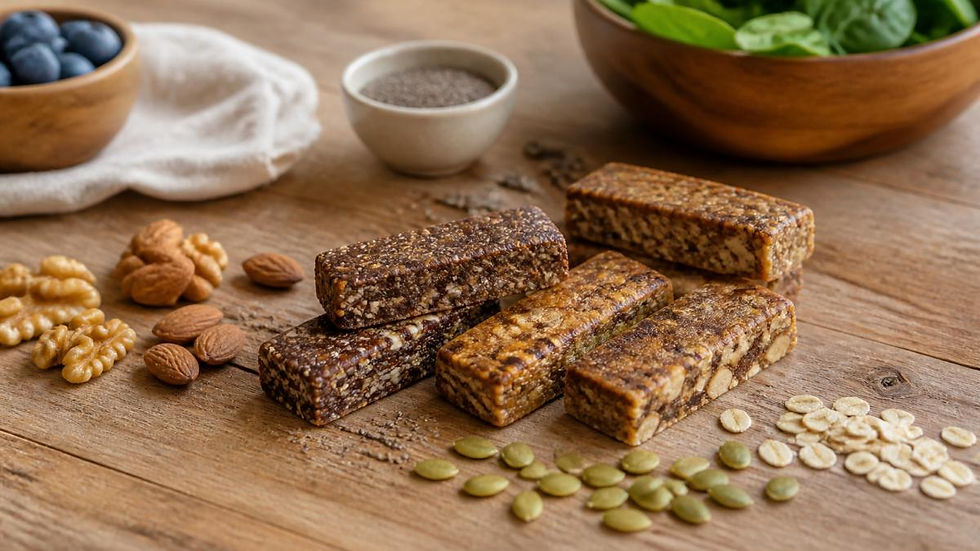
Making polyphenols a consistent part of your diet requires convenient access to nutrient-dense foods. Pranam Bars deliver concentrated polyphenol content from whole plant sources in a format designed for busy lifestyles.
Food Source | Polyphenol Type | Best Preparation | Practical Serving |
Berries | Anthocyanins | Fresh or frozen | 1 cup daily |
Green tea | Catechins | Brewed 3-5 minutes | 1-2 cups daily |
Olive oil | Phenolic acids | Extra virgin, raw | 1-2 tablespoons daily |
Legumes | Phenolic acids | Cooked from dried | 1/2 cup cooked |
Dark chocolate | Flavonoids | 70% cocoa or higher | 1 ounce daily |
Coffee | Chlorogenic acid | Brewed or espresso | 1-2 cups daily |
Frequently Asked Questions
What are the main health benefits of polyphenols in your diet?
Polyphenols offer multiple protective effects: they neutralize free radicals to reduce oxidative stress, help lower inflammation in your body, and support cardiovascular health by promoting healthy blood flow. Research also links dietary polyphenols to improved brain function, better cognitive performance as you age, and enhanced gut health through beneficial bacterial growth. Long-term consumption of polyphenol-rich foods is associated with reduced risk of chronic disease, including heart disease and type 2 diabetes.
Which everyday foods have the highest polyphenol content?
Berries, dark chocolate, green and black tea, and coffee rank among the highest sources. Olive oil, legumes (beans and lentils), nuts, and colorful fruits and vegetables also deliver substantial polyphenol amounts. Whole grains and spices like cinnamon and turmeric contribute as well. The key is variety: rotating between these foods ensures you capture different types of polyphenols, including flavonoids, tannins, and phenolic acids, each offering unique protective benefits.
How do I know if polyphenol supplements work as well as food sources?
Evidence suggests whole foods outperform isolated supplements. When you eat polyphenol-rich foods, you get the compound alongside fiber, vitamins, and minerals that enhance absorption and work synergistically. Your gut microbiome metabolizes dietary polyphenols more efficiently than supplement extracts. Additionally, the bioavailability of polyphenols from whole foods is better documented in human studies. Supplements may play a role if you have specific dietary restrictions, but they should complement, not replace, a diet rich in polyphenol-containing whole foods.
Can you eat too many polyphenols?
Polyphenols from whole foods are generally safe at typical dietary levels. However, extremely high intakes from supplements could interfere with iron absorption or interact with certain medications. If you take blood thinners, have iron-deficiency anemia, or use specific medications, consult your healthcare provider before dramatically increasing polyphenol intake or starting supplements. For most people eating a balanced diet rich in fruits, vegetables, tea, and whole grains, polyphenol toxicity is not a concern.
Shop Bars Now


Comments