
How to Use Polyphenols for Healthier, Younger-Looking Skin

Last Updated: November 4, 2026
Quick Summary
Polyphenols skin benefits come through three main routes: they neutralize free radicals, help limit UV-driven damage, and calm inflammatory signaling in skin cells. Because many polyphenols clear from the bloodstream within hours, steady daily intake from foods like green tea, berries, and extra virgin olive oil matters more than occasional bursts, and polyphenols never replace sunscreen.
Green tea catechins, especially EGCG, have the deepest research base of any polyphenol class for skin.
Only extra virgin olive oil carries meaningful polyphenols; refined olive oil has almost none.
There is no single effective dose for polyphenols as a category, so be wary of anyone quoting one.
Polyphenols can protect existing collagen but cannot rebuild collagen that is already gone.
Some polyphenols can affect platelet function, so anyone on blood thinners should consult their prescriber first.
Table of Contents
How Polyphenols Protect Skin: Antioxidants, UV Defense, and Inflammation
Polyphenols skin benefits come through three main routes: they neutralize free radicals, they help limit UV-driven damage, and they calm inflammatory signaling in skin cells. That combination is why the impact of polyphenols on skin health gets so much attention from researchers and formulators alike.
Neutralizing Free Radicals and Oxidative Stress
Free radicals are unstable molecules that strip electrons from skin cells, and that theft damages proteins, lipids, and DNA. Oxidative stress is the cumulative toll of that damage. Polyphenols donate electrons to free radicals, which stabilizes them before they can do harm, and they support the body's own antioxidant enzymes in the process. Steady intake may matter more than occasional bursts, since many polyphenols clear from the bloodstream within hours.
UV Radiation, Photodamage, and DNA Repair
UV radiation, particularly UVB, triggers reactive oxygen species in skin within minutes of exposure. Those species contribute to photodamage, which can include changes in skin structure and pigmentation. Polyphenols do not replace sunscreen. Sunscreen remains the first layer of defense against UV exposure.
For a broader look at how these compounds work across the whole body, see our guide to the benefits of polyphenols in the diet.
The Best Polyphenols for Skin: Catechins, Flavonoids, and More
Polyphenols are not one ingredient. They are a large family of plant compounds, and the classes behave differently in the body, in food, and in a skincare formula. Treating them as interchangeable is the fastest way to waste money on a serum or overpay for a supplement. The table below compares the classes most often studied for skin, with the source, the proposed skin mechanism, and the strength of the evidence behind each.
Class | Representative compounds | Common sources | Proposed skin effect | Evidence strength |
Catechins (a flavonoid subclass) | EGCG, EGC, ECG, EC | Green tea, cocoa, some berries | Antioxidant activity, reduced inflammation, support for UV-stressed skin | Strong laboratory and animal base; moderate human trial evidence, often small and short |
Flavonols | Quercetin, kaempferol, rutin | Onions, kale, apples, tea | Antioxidant support, capillary and vascular support, calming of inflammatory signaling | Moderate laboratory evidence; limited human skin-specific trials |
Anthocyanins | Cyanidin, delphinidin, malvidin | Blueberries, blackberries, cherries, red cabbage | Antioxidant activity, support for capillary health, pigmentation-related pathways | Moderate laboratory evidence; human trials often use berry extracts at varied doses |
Flavan-3-ols from cocoa | Catechin, epicatechin | Cocoa, dark chocolate | Improved skin elasticity and hydration markers in some human trials | Moderate human evidence, though often industry-funded and short in duration |
Stilbenes | Resveratrol | Grapes, red wine, peanuts, some berries | Antioxidant activity, sirtuin-related pathways, support against oxidative stress | Strong laboratory base; human skin evidence limited and absorption is poor |
Olive secoiridoids | Hydroxytyrosol, oleuropein | Extra virgin olive oil, olives | Antioxidant activity, reduced oxidative stress markers | Moderate human evidence, mostly from Mediterranean diet research rather than skin-specific trials |
Isoflavones | Genistein, daidzein | Soybeans, soy foods | Antioxidant activity, possible support for skin barrier and pigmentation | Mixed evidence; effects appear modest and vary by population |
Catechins: The Most Studied Class for Skin
Green tea catechins, especially EGCG, have the deepest research base of any polyphenol class for skin. Laboratory studies show EGCG scavenges reactive oxygen species and interferes with inflammatory signaling pathways. Human trials tend to be small, often use green tea extracts rather than brewed tea, and measure outcomes like redness, sebum, and elasticity over weeks rather than years. That is meaningful but not the same as proof that drinking green tea prevents wrinkles.
Flavonoids Beyond Catechins: Quercetin, Anthocyanins, and Cocoa Flavanols
Quercetin and rutin appear in laboratory studies as antioxidants with vascular-support activity, which is relevant to skin because capillary health affects redness and bruising. Cocoa flavanols have the most human trial data in this group, with some studies reporting improvements in skin elasticity and hydration after several weeks of daily cocoa consumption. Those trials are typically small and sometimes funded by cocoa interests, so read them as promising rather than settled.
Resveratrol and Olive Polyphenols: Strong Lab Data, Weaker Human Data
Resveratrol gets attention for sirtuin-related pathways and antioxidant activity, but it absorbs poorly and clears quickly, which limits what oral doses can deliver to skin. Topical resveratrol is more plausible for skin-specific effects, though formulations vary widely. Olive secoiridoids like hydroxytyrosol have better human evidence, largely from Mediterranean diet research showing reduced oxidative stress markers, but that research is not skin-specific.
If you want the compound-by-compound breakdown, our polyphenols nutrition facts guide details each class and where it appears in food.
Polyphenols-Rich Foods to Add to Your Plate
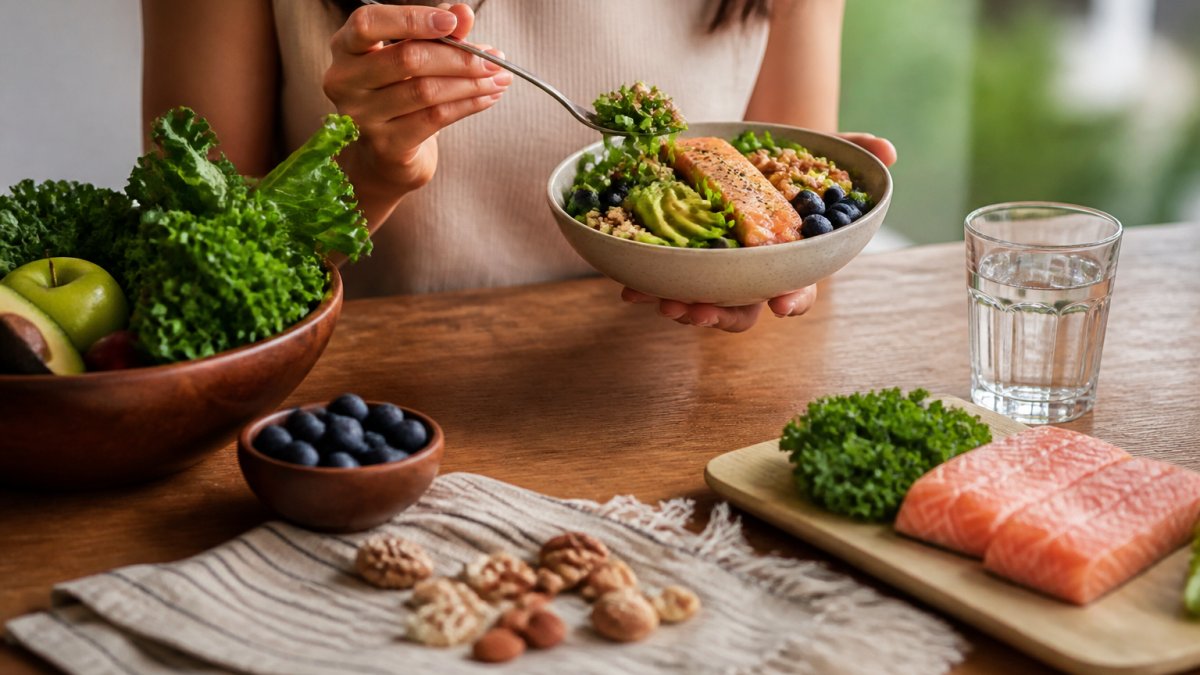
The most practical way to protect skin with polyphenols is to eat them daily, not occasionally. Build meals around a rotating set of polyphenol-rich foods rather than chasing a single "superfood."

Green Tea, Berries, and Mediterranean Plants
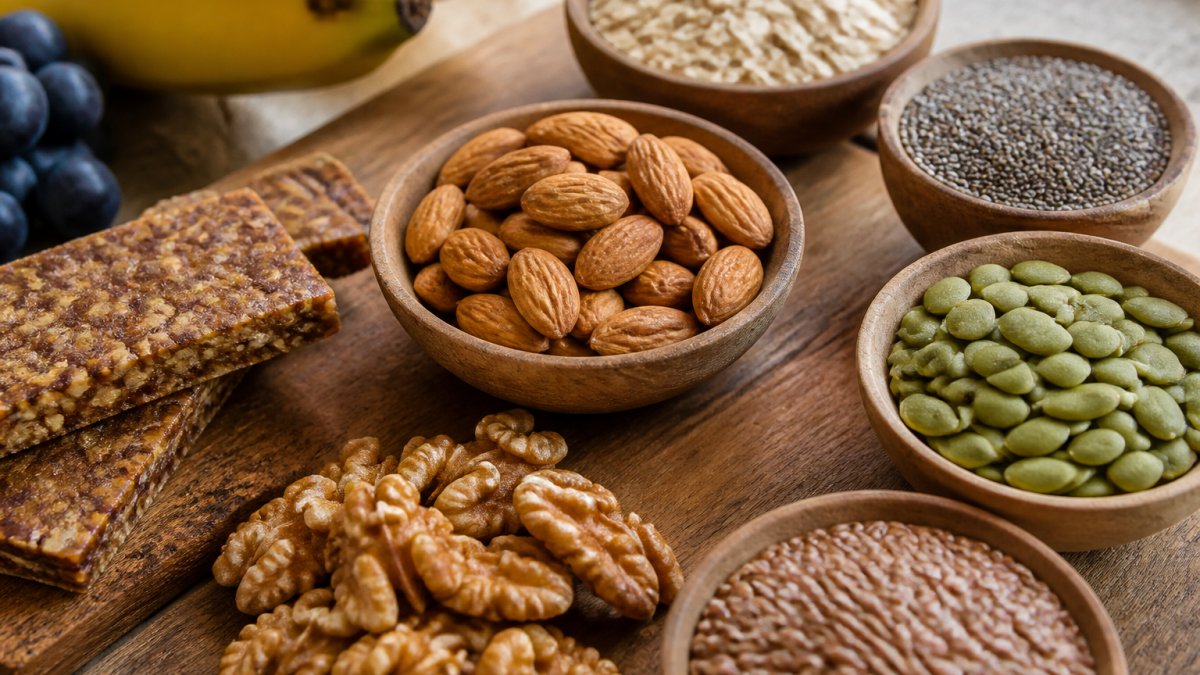
Green tea delivers catechins in a form the body absorbs readily. Berries, particularly blueberries and blackberries, supply anthocyanins. Mediterranean plants, from olives to herbs like rosemary and oregano, contribute a wide spread of flavonoids. The pattern that works is variety: different colors and plant families cover different polyphenol classes.
For a concrete shopping list, see our roundup of foods high in polyphenols.
Polyphenols in Olive Oil: What the Evidence Shows
Extra virgin olive oil is one of the few foods where polyphenol content is measured and, in Europe, even labeled. Hydroxytyrosol and oleuropein are the headline compounds, and human studies link them to reduced oxidative stress markers. The catch most guides skip: refined olive oil has almost none of these compounds. Only extra virgin oil, ideally cold-pressed and fresh, carries meaningful polyphenols.
Polyphenol Skincare Products: What to Look For and What to Skip
Topical polyphenols skin products can deliver antioxidants directly to skin, but formulation determines whether they actually work. Look for products that name the compound and its concentration, use opaque packaging, and pair polyphenols with stabilizing ingredients. Skip jars that list "green tea extract" with no percentage, because light and air break these compounds down fast.
Oral Intake vs. Topical Application
Oral intake supports skin from the inside and reaches all layers, while topical application concentrates antioxidants at the surface. The evidence favors combining both rather than picking one. Diet builds a systemic baseline; a well-formulated serum adds a targeted layer. Neither approach substitutes for sun protection.
Dose, Bioavailability, and Safety: Who Should Use Caution
Bioavailability is the real bottleneck in polyphenol research, and it is the topic most consumer guides skip. Many polyphenols absorb poorly, are modified in the gut, and clear from the bloodstream within hours. That is why consistent daily intake beats occasional large doses, and why a food-first approach is usually more sensible than chasing a megadose supplement.
Why Absorption and Formulation Matter
The same compound can behave very differently depending on how it is delivered. Green tea catechins absorb better on an empty stomach but can cause nausea that way; taking them with food improves tolerance at some cost to absorption. Resveratrol absorbs poorly from oral doses, which is why researchers often use formulated or enhanced-absorption versions in trials. Curcumin from turmeric is another example: plain powder absorbs poorly, and most human trials use formulations designed to improve uptake.
Is There a Universal Effective Dose?
No. There is no single effective dose for polyphenols as a category, and anyone who quotes one is oversimplifying. Human trials use a wide range of doses, from amounts reachable through food to concentrated extracts far above dietary levels, and outcomes vary by compound, population, and duration. Most practitioners find that a diet rich in colorful plant foods is the safest baseline, and that supplements should be treated as optional and discussed with a clinician rather than self-prescribed at high doses.
Safety and Who Should Use Caution
Most people tolerate polyphenol-rich foods well. The cautions worth knowing:
Blood thinners and clotting: Some polyphenols, including certain flavonoids and resveratrol, can affect platelet function or interact with anticoagulant and antiplatelet medications. Anyone on warfarin, apixaban, rivaroxaban, or similar drugs should talk to their prescriber before adding concentrated supplements.
Iron absorption: Polyphenols in tea and some plant foods can reduce iron absorption when eaten with meals (Inhibition of non-haem iron absorption in man by polyphenolic-containing beverages). People with iron deficiency or who rely on plant sources of iron may want to separate tea and high-polyphenol foods from iron-rich meals by an hour or two.
Topical irritation and allergy: Topical polyphenols, especially concentrated extracts, can cause contact irritation or allergic reactions in sensitive skin. Patch-test new products on a small area first, and stop use if redness, itching, or swelling appears.
Check with your doctor before starting supplements, especially at high doses or alongside medication. If you are weighing supplements against whole foods, our science-based answer on polyphenol supplements covers what the research supports.
Collagen, Elasticity, and Fine Lines: What Polyphenols Can and Can't Do
Polyphenols can help protect existing collagen from oxidative breakdown and may support the skin's own repair processes, which is why they show up in anti-aging discussions. What they cannot do is rebuild collagen that is already gone. No food or serum reverses deep wrinkles. The honest framing: polyphenols slow the damage side of the equation, supporting skin elasticity and helping reduce the appearance of fine lines over time.
Building a Polyphenol Routine with Pranam Bars
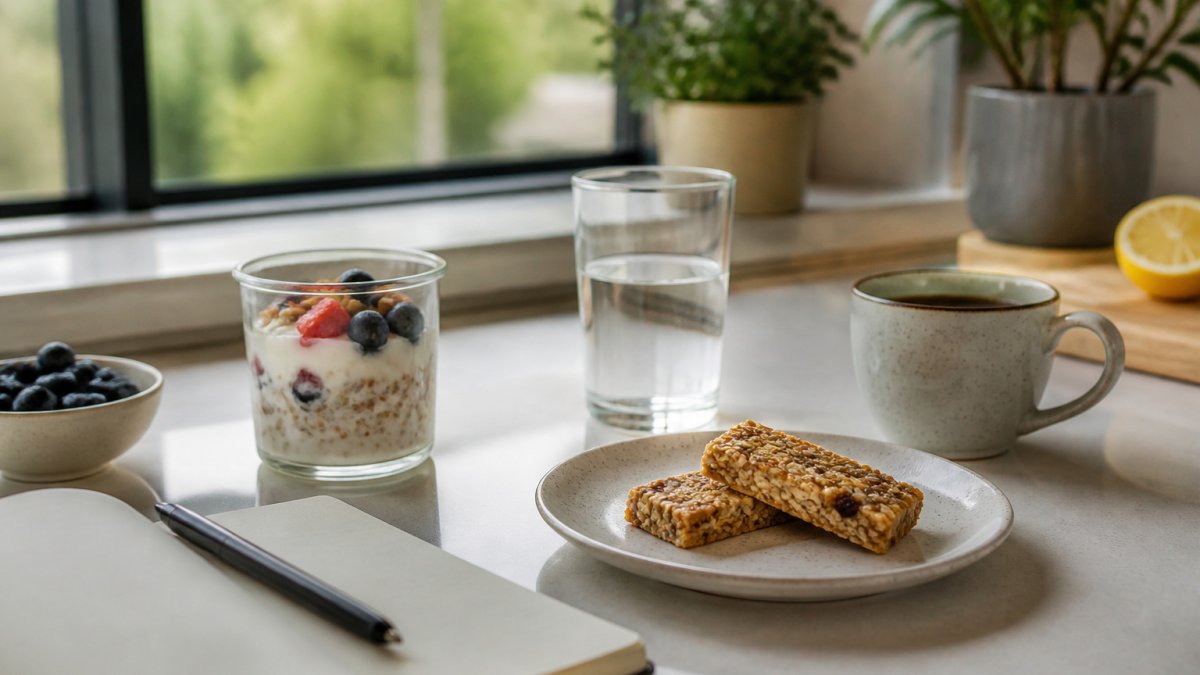
A workable routine combines three habits: polyphenol-rich foods at most meals, daily sun protection, and a consistent snack that fits your schedule. That last part is where our bars earn their place. Readers can explore the Powerful Pomegranate Bar to add a polyphenol-rich snack to their routine. Pranam Bars are 100% plant-based, organic, and gluten-free, formulated to be exceptionally high in polyphenols and essential antioxidants, and crafted in small batches in Baton Rouge, Louisiana.
Frequently Asked Questions
What do polyphenols actually do for your skin?
Polyphenols are plant compounds that neutralize free radicals, the unstable molecules that drive oxidative stress and break down collagen. Research links them to reduced skin inflammation, less UV-induced photodamage, and slower formation of fine lines and wrinkles. They also support the skin barrier and may help calm redness tied to conditions like psoriasis. The effects are cumulative, so consistent intake from foods or skincare matters more than any single dose.
Are polyphenols more effective in food or in skincare products?
Both routes have a role. Dietary polyphenols reach skin cells through the bloodstream and support antioxidant enzymes from the inside, while topical polyphenol skincare products deliver compounds like green tea catechins directly to the skin barrier. Combining the two is a common approach: eat polyphenols-rich foods daily and layer a serum or moisturizer with plant extracts on top. Topical formulas vary widely in stability, so look for opaque packaging and a named extract percentage.
Can polyphenols help protect skin from UV damage?
Polyphenols are not a substitute for sunscreen. Studies show green tea catechins and other flavonoids can reduce UVB-induced photodamage and reactive oxygen species when applied topically or consumed regularly, but the effect is modest compared with SPF. Think of them as a supporting layer: use broad-spectrum sunscreen as your base, then add polyphenol-rich foods and a topical antioxidant serum to help neutralize the free radicals UV exposure creates.
Are there any negative side effects or risks from too many polyphenols?
High-dose polyphenol supplements can cause digestive upset and may interfere with iron absorption, and some compounds interact with blood thinners or certain medications. Food sources are generally safe, but concentrated extracts deserve caution, especially if you take prescriptions or are pregnant. There is no established upper limit for polyphenols from food, so aim for variety across fruits, vegetables, green tea, and olive oil rather than megadoses of a single extract.
Protecting skin is a daily practice, not a one-time fix, and consistency is what separates results from wishful thinking. Pranam Bars gives you a simple way to hold that line: plant-based, organic, gluten-free bars high in polyphenols and antioxidants, formulated by a neuroscientist and handmade in small batches. Get started with Pranam Bars and build a routine your skin can count on.
Comments