
How to Reduce Inflammation Through Diet: A 2026 Guide

Table of Contents
Last Updated: October 17, 2026
Understanding Inflammation and How Diet Affects It
Your diet shapes the chemical environment inside your body. When you consume highly processed foods, refined carbohydrates, and added sugars, you trigger inflammatory responses at the cellular level. Conversely, whole foods rich in antioxidants, polyphenols, and fiber actively work to calm inflammation.
The connection between food and inflammation operates through multiple pathways. Research from the Harvard School of Public Health's nutrition research demonstrates that dietary patterns significantly influence systemic inflammation levels, often more effectively than pharmaceutical interventions for mild to moderate cases.
This guide covers how to reduce inflammation through diet with practical strategies you can implement immediately, from identifying which foods to prioritize to building meal plans that fit your life.
Anti-Inflammatory Foods You Should Eat More Often
The foundation of reducing inflammation through diet rests on choosing minimally processed, nutrient-dense whole foods. These foods contain compounds that actively suppress inflammatory markers in your body. Rather than focusing on what to eliminate first, start by increasing your intake of these categories.
Fruits, Vegetables, and Leafy Greens
Colorful produce delivers the highest concentration of polyphenols and antioxidants available in food. Leafy greens like spinach, kale, and arugula contain vitamin K and compounds that reduce inflammatory markers.
Aim to include a rainbow of vegetables at each meal. Orange vegetables like sweet potatoes and carrots contain beta-carotene. Red and purple vegetables like beets and red cabbage deliver betalains. Dark leafy greens provide lutein and zeaxanthin.
A practical approach: fill half your plate with vegetables at lunch and dinner. Include at least three different colors per meal. This simple visual rule ensures adequate intake without requiring calorie counting or complex meal planning.
Whole Grains, Legumes, and Dietary Fiber
Whole grains like oats, quinoa, brown rice, and barley contain intact fiber that feeds beneficial gut bacteria. These bacteria produce short-chain fatty acids that reduce inflammation throughout your digestive system and beyond. Refined grains stripped of their fiber lack this benefit entirely.
Legumes, beans, lentils, and chickpeas, provide both protein and fiber while remaining affordable and shelf-stable. A single serving of cooked lentils delivers roughly 8 grams of fiber and 18 grams of plant protein.
Include at least one serving of whole grains and one serving of legumes daily. Swap white rice for brown rice, white bread for whole grain bread, and regular pasta for whole wheat or legume-based pasta.
Fish, Nuts, Seeds, and Plant Proteins
Fish rich in omega-3 fatty acids, salmon, mackerel, sardines, and herring, actively suppress inflammatory markers through multiple mechanisms (pubmed.ncbi.nlm.nih.gov). Aim for two to three servings of fatty fish weekly.
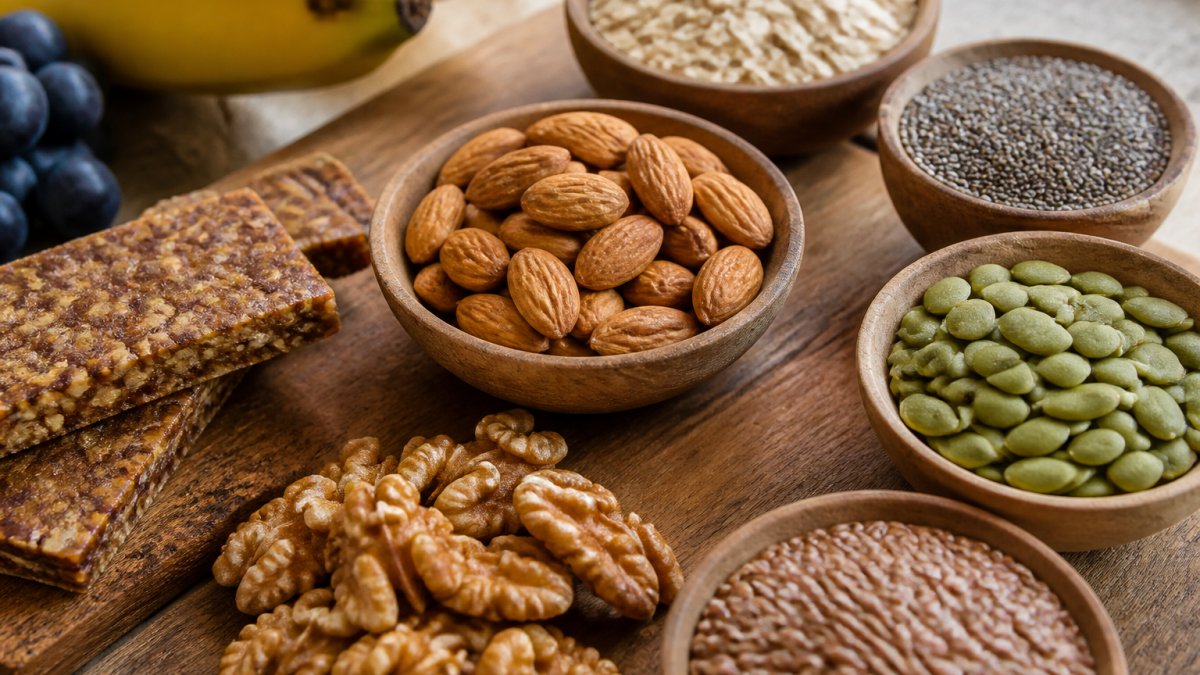
Nuts and seeds provide both omega-3 and omega-6 fatty acids along with vitamin E and polyphenols. A small handful of almonds, walnuts, or pumpkin seeds makes an excellent snack. Seeds like flax, chia, and hemp can be sprinkled on salads or blended into smoothies.
Plant proteins from sources like tofu, tempeh, and hemp seeds offer complete amino acid profiles without the saturated fat found in some animal proteins. Rotating between fish, nuts, seeds, and plant proteins ensures diverse nutrient intake and prevents dietary monotony.
Olive Oil and Unsaturated Fats
Extra-virgin olive oil contains oleocanthal, a compound with anti-inflammatory properties similar to certain medications. Use olive oil as your primary cooking fat for low-to-medium heat applications. For higher heat cooking, choose avocado oil, which has a higher smoke point while maintaining anti-inflammatory benefits.
Avocados deliver monounsaturated fats and potassium. Nuts and seeds provide both omega-3 and omega-6 fatty acids.
Aim for roughly 25-35% of your daily calories from fat, with the majority coming from unsaturated sources. This translates to roughly 2-3 tablespoons of olive oil daily, plus additional fats from nuts, seeds, fish, and whole foods.
Foods to Avoid for Inflammation
Certain foods actively trigger inflammatory responses and should be minimized or eliminated. These aren't foods you'll never eat again, they're foods to crowd out rather than obsess over.
Cleveland Clinic
Refined carbohydrates and added sugars spike blood glucose rapidly, triggering inflammatory cascades. This includes white bread, pastries, sugary cereals, and sweetened beverages.
Processed foods laden with seed oils, trans fats, and chemical additives amplify inflammation.
Red meat and processed meat deserve special attention. While occasional consumption isn't inherently problematic, frequent intake correlates with elevated inflammatory markers.
The practical strategy: eliminate or drastically reduce these categories while simultaneously increasing your intake of anti-inflammatory foods.
Building an Anti-Inflammatory Meal Plan
Creating a sustainable anti-inflammatory approach means building meals around the foods that reduce inflammation through diet. Start simple rather than attempting perfection immediately.

Sample Meals and Shopping List
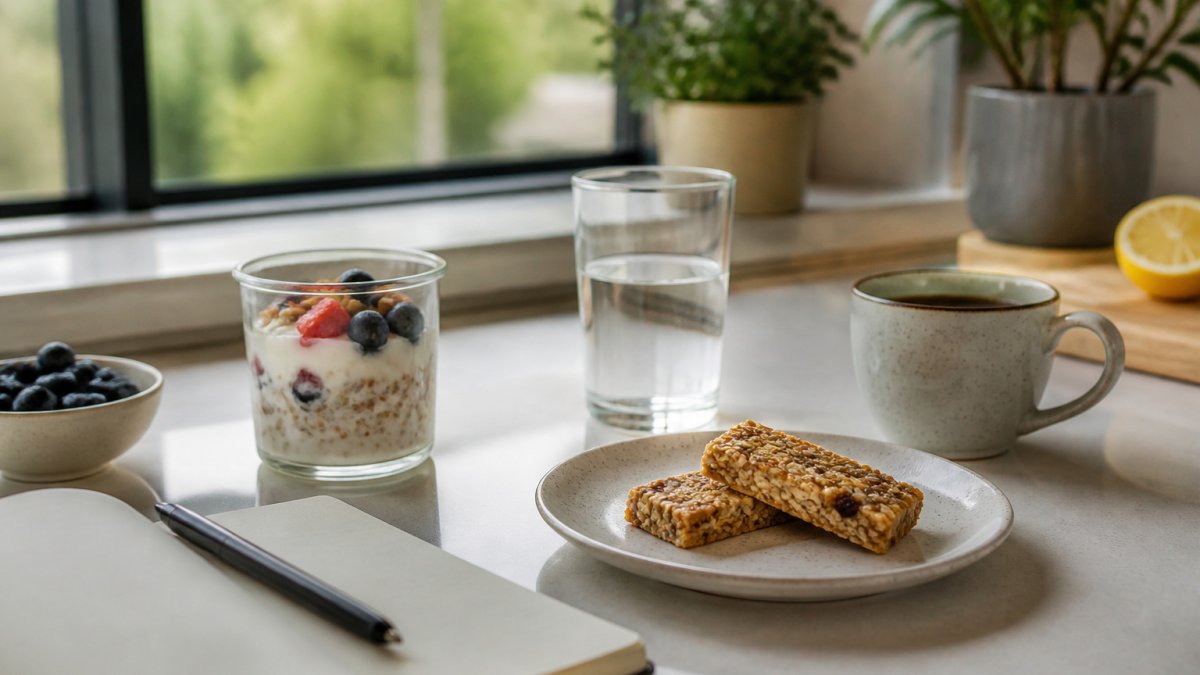
Breakfast: Steel-cut oats topped with blueberries, walnuts, ground flaxseed, and a drizzle of honey. Pair with herbal tea or black coffee.
Lunch: Large mixed green salad with spinach, shredded carrots, beets, chickpeas, grilled salmon, pumpkin seeds, and extra-virgin olive oil vinaigrette.
Dinner: Baked mackerel with roasted sweet potato and steamed broccoli drizzled with olive oil and lemon.
Snacks: Apple with almond butter, a small handful of mixed nuts, or a nutrient-dense bar formulated with anti-inflammatory ingredients like polyphenol-rich plant foods and whole grains.
Shopping List for Anti-Inflammatory Eating:
Category | Items |
Vegetables | Spinach, kale, broccoli, sweet potatoes, carrots, beets, bell peppers, tomatoes |
Fruits | Blueberries, raspberries, apples, oranges, avocados |
Whole Grains | Oats, brown rice, quinoa, whole wheat bread, barley |
Legumes | Lentils, chickpeas, black beans, kidney beans |
Fish & Protein | Salmon, mackerel, sardines, tofu, tempeh, eggs |
Nuts & Seeds | Almonds, walnuts, flaxseed, chia seeds, pumpkin seeds |
Oils & Fats | Extra-virgin olive oil, avocado oil |
Herbs & Spices | Turmeric, ginger, garlic, oregano, basil |
Food Substitutions and Label-Reading Tips
Reducing inflammation through diet becomes sustainable when you know how to swap inflammatory foods for anti-inflammatory alternatives without sacrificing enjoyment. White rice becomes brown rice or quinoa. White bread becomes whole grain bread. Sugary cereals become steel-cut oats or granola made with whole grains and nuts.
When reading labels, check three elements: added sugars (aim for less than 5 grams per serving), ingredient list (recognize whole foods, question unfamiliar additives), and fiber content (aim for at least 3 grams per serving for packaged foods).
Look for products labeled "100% whole grain," "no added sugar," and "minimally processed." These markers indicate foods that support your anti-inflammatory goals. Pranam Bars, for example, are formulated with 100% plant-based, organic ingredients and contain no added sugars, delivering polyphenols and antioxidants in a convenient format for busy schedules.
Pro Tip When shopping, spend most of your time in the perimeter of the grocery store where fresh produce, fish, and whole foods cluster. The center aisles contain most processed foods that trigger inflammation. This simple navigation strategy naturally guides you toward anti-inflammatory choices.
How Long Does It Take to Reduce Inflammation with Diet
Timeline expectations vary based on the severity of your inflammation, your starting diet, and how consistently you implement changes. Most people notice initial improvements within 2-4 weeks of shifting toward an anti-inflammatory pattern.
Significant systemic changes typically require 8-12 weeks of consistent dietary choices. Your gut bacteria need time to shift toward beneficial strains that produce anti-inflammatory compounds.
Some conditions respond faster than others. Digestive inflammation often improves within weeks. Chronic joint inflammation may require months of consistent eating patterns before noticeable relief.
Consistency matters more than perfection. A diet that's 80% anti-inflammatory and sustainable beats a 100% perfect diet you abandon after three weeks.
Measuring Progress and Evaluating Claims
Determining whether your dietary changes are actually reducing inflammation requires looking beyond how you feel. While subjective improvements matter, objective markers provide clearer evidence.
Work with a healthcare provider to measure inflammatory markers like C-reactive protein (CRP) or erythrocyte sedimentation rate (ESR) (the CDC).
Track energy levels, joint comfort, digestive function, and sleep quality in a simple journal. Rate each on a scale of 1-10 weekly. Over time, patterns emerge showing which foods or patterns correlate with improvements or setbacks.
Be skeptical of claims that any single food is a "miracle cure" for inflammation. While certain foods like turmeric or ginger contain beneficial compounds, they work within the context of an overall dietary pattern.
Watch Out Avoid products making disease claims like "cures arthritis" or "eliminates inflammation." The FDA regulates such claims strictly, and products making them often lack scientific support. Instead, look for foods and products supporting "overall wellness" or "healthy inflammatory response", language backed by actual research.
Personalizing Your Anti-Inflammatory Approach
The most effective anti-inflammatory diet is one you'll actually follow. This requires personalizing recommendations to your budget, cultural food preferences, dietary restrictions, and lifestyle.
For budget constraints: Frozen vegetables cost less than fresh while maintaining nutritional value. Dried beans and lentils cost pennies per serving.
For dietary restrictions: Those avoiding gluten choose naturally gluten-free whole grains like quinoa, rice, and certified gluten-free oats.
For cultural food preferences: Mediterranean, Asian, and traditional African diets all contain powerful anti-inflammatory patterns.
For time constraints: Batch cooking on weekends creates ready-to-eat anti-inflammatory meals throughout the week. Convenient options like Pranam Bars deliver anti-inflammatory nutrients when whole food meals aren't feasible.
Key Takeaway The most sustainable anti-inflammatory diet matches your real life, your budget, your schedule, your food preferences, and your cultural background. Perfection is the enemy of consistency. A diet you'll actually follow beats a theoretically perfect diet you abandon.
Reducing inflammation through diet works best when viewed as a long-term lifestyle shift rather than a temporary fix.
Frequently Asked Questions
What is the fastest way to lower inflammation in the body?
While no single food works instantly, the fastest dietary approach combines removing processed foods and refined sugars with adding omega-3 rich fish, leafy greens, and polyphenol-rich fruits. Most people notice reduced bloating and improved energy within 3-5 days when they eliminate added sugars and processed foods. However, measurable changes to inflammatory markers typically take 2-4 weeks of consistent dietary shifts. Pairing dietary changes with adequate sleep and stress management accelerates results.
Can an anti-inflammatory diet help with chronic inflammation?
Yes, a consistent anti-inflammatory diet can help manage chronic inflammation. Research shows that Mediterranean-style eating patterns reduce inflammatory markers in the blood over time. The diet works by reducing foods that trigger inflammation (processed items, added sugars, refined carbohydrates) and increasing nutrient-dense whole foods rich in antioxidants and polyphenols. For specific conditions, consult your healthcare provider about how diet complements medical treatment.
What are the 5 worst foods for inflammation?
The top inflammation-promoting foods are: refined carbohydrates (white bread, pastries), added sugars (soda, candy, desserts), ultra-processed foods (packaged snacks, fast food), excess red meat, and vegetable oils high in omega-6 fats (soybean oil, corn oil in processed items). These foods either contain inflammatory compounds directly or displace nutrient-dense alternatives. Limiting these doesn't mean eliminating them entirely, but replacing them with whole grains, legumes, and unsaturated fats makes a measurable difference.
How do I know if an anti-inflammatory diet is actually working?
Track both how you feel and measurable markers. Within 1-2 weeks, notice changes in energy, digestion, bloating, and joint comfort. After 4 weeks, consider asking your doctor for blood tests measuring inflammatory markers like C-reactive protein or erythrocyte sedimentation rate. Keep a simple food and symptom journal for 2-3 weeks to spot patterns. Pay attention to digestion quality, skin clarity, and mental focus, these often improve before clinical markers shift.
What does a simple anti-inflammatory meal plan look like?
A basic day includes: breakfast with oats, berries, and nuts; lunch with grilled salmon, leafy greens, and olive oil dressing; snacks of almonds or fresh fruit; dinner with lentil soup and roasted vegetables. Each meal emphasizes whole grains, plant proteins, fish, colorful vegetables, and healthy fats while avoiding processed items and added sugars. The pattern doesn't require special cooking, it's about choosing minimally processed foods and building meals around vegetables, legumes, and quality protein sources.
How long does it take to reduce inflammation with diet?
You may feel improvements in bloating and energy within 3-5 days of removing processed foods and added sugars. Noticeable changes in joint comfort, digestion, and mental clarity typically appear within 2-4 weeks. Measurable reductions in blood inflammatory markers usually take 4-8 weeks of consistent eating. For chronic inflammation related to specific conditions, meaningful improvements may take 8-12 weeks. Consistency matters more than perfection, steady adherence produces better results than strict compliance followed by lapses.
Can I follow an anti-inflammatory diet with dietary restrictions or on a budget?
Absolutely. The core anti-inflammatory pattern, vegetables, legumes, whole grains, and healthy fats, works within most restrictions and budgets. Frozen vegetables and canned beans are as nutritious as fresh and often cheaper. Eggs and canned fish provide affordable protein. Oats, lentils, and dried beans cost less than processed snacks. For gluten sensitivity, focus on naturally gluten-free whole grains like rice, quinoa, and oats labeled gluten-free. Cultural food traditions often align with anti-inflammatory principles, Mediterranean, Asian, and plant-forward cuisines all fit the pattern.

Comments