
How to Build a Gut Health Routine for Busy Professionals

Last Updated: November 1, 2026
Quick Summary
A gut health routine for busy professionals is a small set of daily habits that repeat on a hectic schedule. Start with a glass of water before coffee, a fiber-and-protein breakfast, a high-fiber snack at your desk, and a short walk each hour.
Drink a full glass of water before coffee to rehydrate after sleep.
Pair fiber with protein at breakfast, such as oats with nuts or whole-grain toast with eggs.
Stand up and walk for two to five minutes every hour to interrupt long sitting.
Keep a high-fiber snack in your bag or desk drawer to avoid vending-machine choices.
Track habits for two to four weeks, since digestive changes can take several weeks.
Table of Contents
Why a Gut Health Routine Works Better Than Quick Fixes
A gut health routine for busy professionals beats one-off fixes because small habits repeat every day. A routine works best when it is the one you will actually keep on a hectic Tuesday.
Quick fixes tend to fade. A detox drink or a week of strict rules feels good for a few days, then the workday takes over. A routine is different because it fits into the schedule you already have.
Think of gut health as a daily practice rather than a project with an end date. The habits below are small on purpose. Each one can be added in a few minutes and adjusted as your workload changes.
Pick one habit to start with
Attach it to something you already do, like coffee or lunch
Track it for a week before adding another
Step 1: Set Up a Morning Routine That Takes Under 10 Minutes
Start with water and a simple breakfast. That is the easiest way to set up a gut health routine for busy professionals without losing your morning.
Drink a full glass of water before coffee. Water helps you rehydrate after sleep. Next, pair a fiber-rich food with protein, such as oats with nuts or whole-grain toast with eggs.
Keep the plan simple:
Glass of water when you wake up
Quick breakfast with fruit, oats, or seeds
Five minutes of light movement, such as stretching or a short walk
Step 2: Build High-Fiber Snacks for Work Into Your Day
Snacks are where many busy professionals lose their gut health routine. A high-fiber snack keeps you full longer than a plain sugar hit. The goal is a snack you can grab without thinking.

Plant-based snack bars are one option for this, and many people keep a few in a desk drawer for convenient access. Check the Pranam Bars website for current product details and availability.
Good work snacks usually share a few traits:
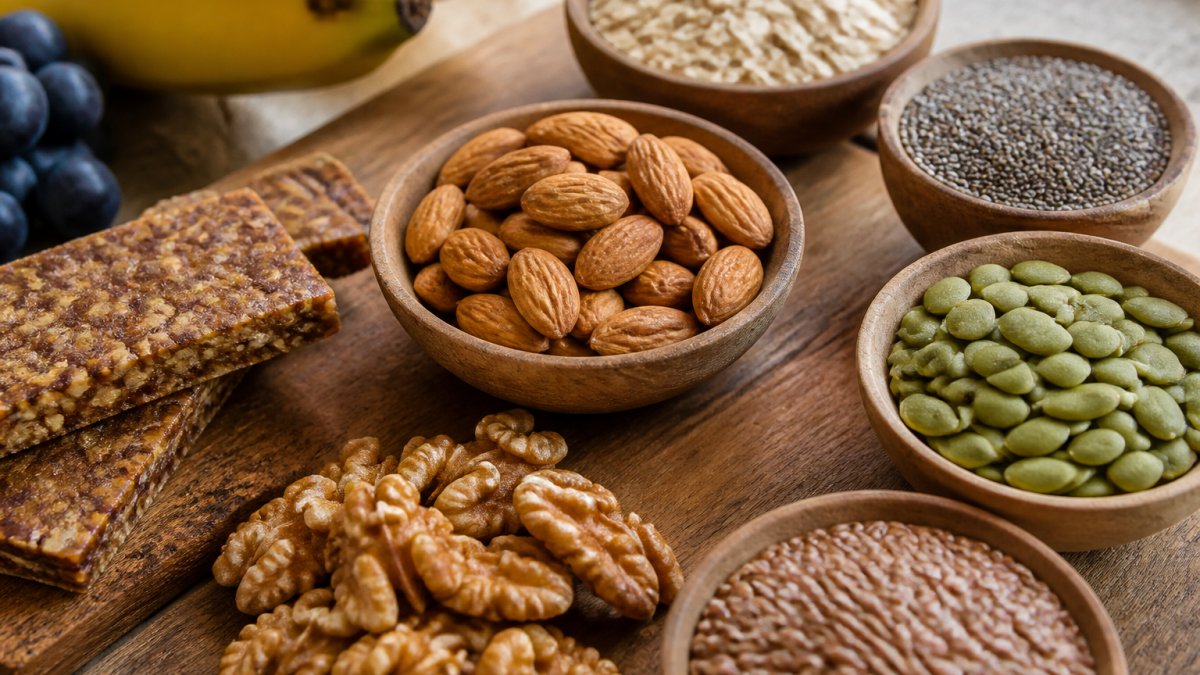
Fiber from whole foods, such as nuts, seeds, fruit, or vegetables
Some protein to slow down hunger
Little added sugar
Keep a small stash in your bag or drawer so you are never stuck with vending-machine choices. Gut-friendly foods work best when they are close at hand.
Step 3: Protect Your Digestion From Workday Stress and Sitting
Long hours at a desk and steady stress can both slow digestion. You do not need a perfect plan. You need a few habits that interrupt sitting and stress during the day.
Stand up and walk for two to five minutes every hour. A short walk after lunch can help your body move food along. Stress matters too. Try three slow breaths before a difficult meeting, and keep your lunch break away from your screen when possible.
Many people feel better when they change how they eat under pressure. Eat sitting down rather than at your keyboard. Chew slowly. These small changes often help more than a new supplement.
If you want more natural steps to try, read How to Improve Digestion Naturally: 7 Steps for a longer list.
Step 4: Map a Realistic Routine Across a Busy Workday
Most gut health advice stops at "eat fiber and move more." A routine only works if it survives a real calendar: back-to-back meetings, a commute, a working lunch, and the 9 p.m. dinner you eat because the day ran long. Use the schedule below as a template, then shift the blocks to match your day.
Time block | Habit | Time needed | Why it helps |
Wake-up | Full glass of water before coffee | 30 seconds | Rehydrates after sleep and starts the day with a non-caffeinated fluid |
Breakfast | Fiber plus protein, such as oats with nuts or whole-grain toast with eggs | 5-10 minutes | Fiber feeds gut bacteria; protein slows hunger so you are not hunting for sugar by 10 a.m. |
Commute | Stand on transit or park farther away and walk | 5-10 minutes | Adds light movement before you sit for hours |
Mid-morning | Two-minute walk or stretch break every hour | 2 minutes per hour | Interrupts long sitting, which can slow digestion |
Lunch | Eat away from your desk; chew slowly | 20 minutes | Eating while distracted or rushed is a common trigger for bloating and overeating |
Afternoon | High-fiber snack from your drawer or bag | 2 minutes | Prevents the vending-machine detour when meetings run over |
Evening | Light walk and a screen-free wind-down | 15 minutes | Movement and sleep both support digestion and stress recovery |
Adapting the template to common work patterns:
Meeting-heavy days: Keep a shelf-stable snack and a water bottle at your desk so a delayed lunch does not become a skipped meal. A common pattern is to eat lunch 30-60 minutes later than planned; having a snack ready prevents the crash that follows.
Travel and client days: Pack portable options such as nuts, seeds, fruit, or a plant-based bar. Airport and hotel food is often low in fiber, so a backup snack keeps the routine intact.
Night shifts: Keep the same sequence but shift the clock. Water and a fiber-rich meal before your shift, a walk break mid-shift, and a wind-down after work matter more than the specific hour.
Working parents: Attach habits to things you already do. Drink water while the coffee brews, walk during school pickup, and prep snacks on Sunday so weekday mornings need no decisions.
Pro Tip Pick the two blocks you can protect this week, usually breakfast and the afternoon snack, and let the rest be optional until those feel automatic.
The goal is not a perfect day. It is a day where at least two gut-friendly habits happen without willpower, even when the schedule falls apart.
How Long It Takes to See Gut Health Changes and What to Track
Changes in digestion can take several weeks to show up, and results vary from person to person. Tracking helps you notice patterns that a single day cannot show.
Keep a simple log for two to four weeks. Note your water intake, snacks, energy levels, and how your stomach feels after meals. Look for trends rather than single bad days.
Watch for these signs of progress:
Steadier energy through the afternoon
Fewer cravings for sugary snacks
More regular bowel habits
What Gut Health Claims Can and Cannot Promise, and When to See a Doctor
Gut health is an active research area, and marketing often runs ahead of the science. A useful routine separates what is well supported from what is still being studied, so you can spend effort where it counts. Prioritizing these evidence-based habits provides a reliable foundation for your daily gut health guide as you navigate the complexities of long-term digestive wellness.
What the evidence supports reasonably well:
Fiber from whole foods. Fiber-rich foods such as oats, beans, lentils, fruit, vegetables, nuts, and seeds support regular bowel habits and feed gut bacteria. This is one of the most consistent findings in nutrition research.
Fermented foods in moderation. Yogurt with live cultures, kefir, sauerkraut, and similar foods are commonly recommended. Responses vary, and people with certain conditions may need to limit them.
Hydration. Water supports normal digestion and helps fiber do its job. Without enough fluid, a high-fiber diet can backfire.
Movement and sleep. Regular physical activity and adequate sleep are associated with better digestive comfort, though the mechanisms are still being studied.
Stress management. The gut and brain are connected, and stress can affect digestion. Breathing exercises and breaks are low-risk and often helpful.
What is uncertain or overstated:
"Healing" or "resetting" the gut in days. No food or supplement reliably resets the microbiome on a short timeline. Changes in digestion typically take several weeks, and responses vary from person to person.
Single-ingredient miracle claims. Polyphenols, antioxidants, and specific probiotic strains are areas of ongoing study. They may be part of a healthy diet, but a snack or supplement should not replace balanced meals.
At-home microbiome tests as a diagnosis. These tests are not a substitute for medical evaluation, and their results are not standardized enough to guide treatment on their own (the FDA).
Watch Out Be cautious of any product that promises quick, dramatic results or claims to cure a digestive condition. Foods and habits can support digestion, but they cannot treat most digestive conditions on their own.
When to see a doctor:
See a health professional if you have persistent pain, unexplained weight loss, blood in your stool, severe bloating, or digestive changes that last more than a few weeks. These symptoms can have causes that lifestyle changes will not fix, and early evaluation matters. If you have a diagnosed condition such as irritable bowel syndrome, celiac disease, or inflammatory bowel disease, follow your clinician's guidance rather than a general routine.
Start Your Gut Health Routine This Week With One Change
Pick one habit from this guide and start today. A glass of water before coffee, a high-fiber snack in your bag, or a five-minute walk after lunch are all good starting points. Once that feels easy, add another.
Plant-based, gluten-free snack bars can make the snack part simpler. Visit the Pranam Bars website to see current options.
Frequently Asked Questions
What is a simple daily routine for gut health?
A simple daily routine covers three things: eating fiber at each meal, drinking water steadily through the day, and moving your body for at least a short walk. Add a fermented food such as plain yogurt or sauerkraut a few times a week if it agrees with you. Keep the routine small enough that you can repeat it on a packed workday. Consistency over several weeks matters more than any single food, and people with digestive symptoms should check with a clinician before changing their diet significantly.
What are easy gut-friendly snacks to keep at work?
Good workplace snacks include fresh fruit, nuts, roasted chickpeas, plain yogurt, vegetable sticks with hummus, and high-fiber bars. Keep two or three of these in a desk drawer so you are not relying on vending machines during a stressful afternoon. Pranam Bars are plant-based, organic, and gluten-free. Check ingredient labels if you have specific dietary restrictions, and confirm current availability and pricing on the Pranam Bars website.
How long does it take to improve gut health?
Many people notice changes in digestion within a few weeks of eating more fiber and drinking more water, but timelines vary widely based on your starting point, diet, sleep, and stress levels. Track simple markers such as regularity, bloating, and energy at midday over four to six weeks. If symptoms persist or worsen, see a healthcare provider rather than waiting for a routine to work.
Can stress at work affect digestion?
Yes. Stress activates the body's fight-or-flight response, which can slow or speed digestion, change appetite, and affect the gut-brain connection. Short breaks, a few slow breaths before meals, and a walk after lunch can help. Stress management is one part of a gut health routine, alongside food, hydration, and movement. If work stress is causing ongoing stomach problems, talk to a doctor.

Comments