
Healthy Alternatives to Soy Protein Powder

Last Updated: October 23, 2026
Quick Summary
Healthy alternatives to soy protein powder include pea protein isolate, brown rice and pea blends, hemp and seed-based powders, and whole foods like lentils, beans, and quinoa. These options deliver complete amino acid profiles and comparable nutrition without soy-related digestive discomfort or allergies.
Pea protein isolate delivers around 25 grams of protein per serving with a complete amino acid profile.
A cooked cup of lentils contains roughly 18 grams of protein plus significant fiber, iron, and polyphenols.
Quinoa is a complete protein containing all nine essential amino acids with about 8 grams of protein per cooked cup.
Hemp seeds contain all nine essential amino acids and deliver roughly 10 grams of protein per serving.
Legumes cause occasional bloating due to oligosaccharides, but gradual introduction helps your digestive system adapt over time.
Table of Contents
Why Skip Soy Protein Powder
Best Soy-Free Protein Powder Options
Pea Protein Isolate
Brown Rice and Pea Blends
Hemp and Seed-Based Powders
Nut-Based Protein Powders
Plant-Based Protein Sources Without Soy
Legumes: Lentils and Beans
Whole Grains and Pseudocereals
Seeds and Nuts
Pea Protein Powder Benefits and How It Compares
Whole-Food Alternatives to Protein Powder
Practical Serving Sizes and Meal Ideas
Digestibility and Potential Side Effects
How to Choose Based on Dietary Needs and Allergies
Pranam Bars: A Convenient Soy-Free Alternative
Frequently Asked Questions
Why Skip Soy Protein Powder
Soy protein dominates the plant-based supplement market, but it's not the right choice for everyone. Some people avoid soy due to allergies, thyroid concerns, or simply wanting to diversify their protein sources. Others find that soy-based powders cause digestive discomfort or bloating.
At Pranam Bars, we understand that one-size-fits-all nutrition doesn't work. Whether you're managing a soy sensitivity, seeking whole-food options, or just tired of the same powder routine, the alternatives available today are genuinely competitive.
This guide covers the best soy-free protein sources, from plant-based powders to whole foods, so you can find what actually works for your body and your lifestyle.
Best Soy-Free Protein Powder Options
Plant-based protein powders have moved well beyond basic pea isolate. Modern formulations blend multiple sources to improve taste, texture, and nutritional completeness. Here's what's worth considering.
Pea Protein Isolate
Pea protein is the workhorse of soy-free powders. It's a single-ingredient option that delivers a complete amino acid profile, making it one of the most straightforward healthy alternatives to soy protein powder.
NorCal Organic Premium Pea Protein Isolate stands out for its simplicity. You get pea protein and nothing else, no fillers, no additives. This matters if you're sensitive to ingredient lists or managing multiple dietary restrictions.
The trade-off: straight pea protein can taste earthy or slightly bitter unless flavored. Many users mix it into smoothies with fruit or nut butter to mask the flavor.
Brown Rice and Pea Blends
Combining brown rice and pea proteins creates a more complete amino acid profile than either alone.
The advantage of blended formulas is texture and taste. Brown rice protein softens the earthiness of pea, while chia adds fiber and omega-3s. These blends tend to mix more smoothly and taste less "powdery" than single-source options.
Blends work best if you're looking for convenience and don't need to avoid specific ingredients. The downside is slightly less transparency, you're getting multiple sources, so tracking exactly what you're consuming requires reading the full nutrition label.
Hemp and Seed-Based Powders
Hemp seeds contain all nine essential amino acids, making them a complete protein source (Nutritional Quality, Chemical, and Functional Characteristics of Hemp (Cannabis sativa...). Hemp protein powder delivers roughly 10 grams of protein per serving, along with healthy fats and minerals like magnesium and iron.
Seed-based powders (hemp, pumpkin, sunflower) are less common than pea or rice options, but they're worth exploring if you want diversity in your protein sources. Hemp specifically has a distinctive, slightly nutty flavor that works well in smoothies or oat-based recipes.
The consideration: seed powders are typically lower in total protein per serving compared to isolates, so you may need larger portions to hit your protein targets. They're best used as part of a mixed approach rather than your sole protein supplement.
Nut-Based Protein Powders
Almond-based protein powders offer a different angle on plant-based nutrition. Drink Wholesome Vegan Protein Powder uses almonds as its primary protein source, providing a creamy texture and familiar flavor profile.
Nut-based powders work well if you enjoy almond butter or almond milk already. They blend smoothly and taste naturally sweet without added flavorings.
The limitation: nut allergies are common, so this option won't work for everyone. Also, nut-based powders typically deliver less protein per serving than pea or rice isolates. Use them when convenience and taste matter more than maximum protein density.
Plant-Based Protein Sources Without Soy
Whole foods often deliver better nutrition and digestibility than powders. If you're open to skipping the supplement format, these sources give you complete proteins or amino acid combinations that work well together.

Legumes: Lentils and Beans
Lentils and beans are protein powerhouses. A cooked cup of lentils contains roughly 18 grams of protein plus significant fiber, iron, and polyphenols (usda.gov).
Legumes work best in whole-food meals, soups, salads, grain bowls, or side dishes. They're inexpensive, shelf-stable, and pair naturally with grains to create complete amino acid combinations.
The practical reality: legumes require cooking time (unless you buy canned), and they cause digestive discomfort for some people. Starting with smaller portions and gradually increasing your intake helps your digestive system adapt.
Whole Grains and Pseudocereals
Quinoa stands out among grains because it's a complete protein containing all nine essential amino acids (Seed Composition and Amino Acid Profiles for Quinoa Grown in Washington State). A cooked cup of quinoa provides about 8 grams of protein, plus fiber and minerals. Amaranth and buckwheat are other pseudocereals with similar profiles.
Whole grains like oats, barley, and farro contribute meaningful protein (5-7 grams per cooked cup) and work well as part of a mixed diet. They're especially useful if you're building meals around whole foods rather than relying on supplements.
Grains work best as a foundation for meals rather than a standalone protein source. Pair them with legumes, nuts, or seeds to ensure you're hitting your complete amino acid targets throughout the day.
Seeds and Nuts
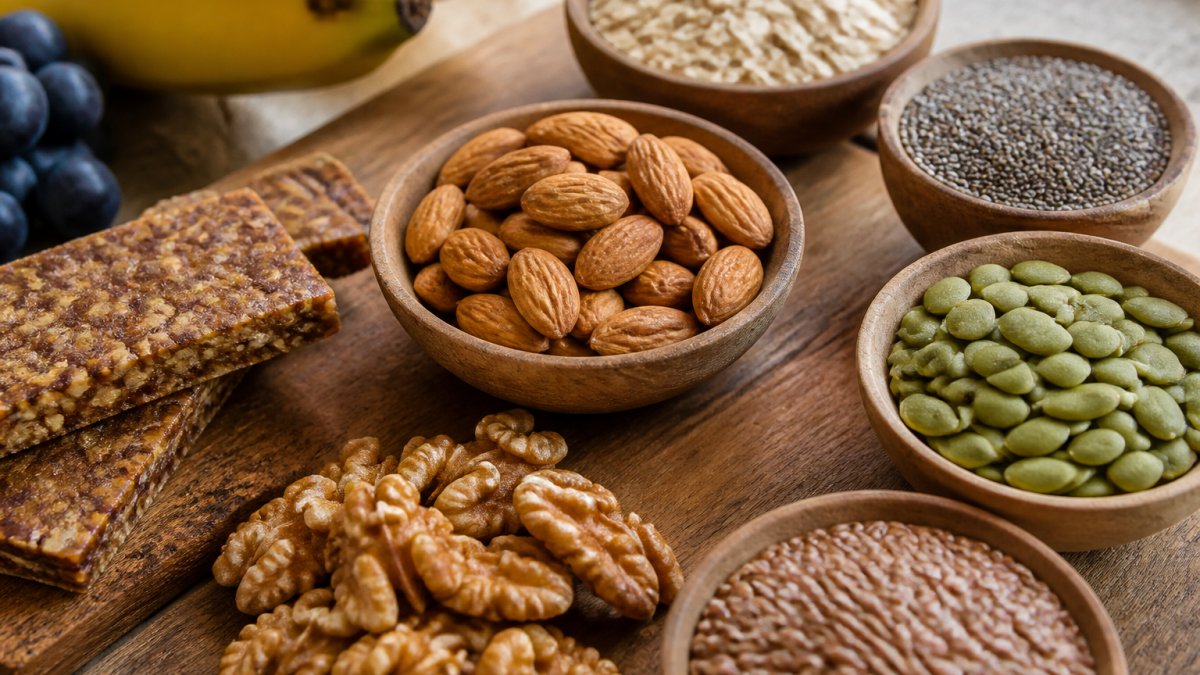
Hemp seeds, pumpkin seeds, sunflower seeds, and flax seeds all deliver plant-based protein alongside healthy fats. A quarter cup of hemp seeds contains about 10 grams of protein.
Seeds and nuts are easy to add to existing meals, sprinkle them on salads, mix into oatmeal, or use as snack foods. They require no cooking and store well. They're also nutrient-dense, delivering vitamins, minerals, and anti-inflammatory compounds alongside protein.
The trade-off: seeds and nuts are calorie-dense, so portion control matters if you're tracking calories. They work best as part of a varied diet rather than your sole protein source.
Pea Protein Powder Benefits and How It Compares
Pea protein deserves special attention because it's become the most popular soy-free powder alternative. Understanding its strengths helps you decide if it's right for you.
Pea protein isolates are easily digestible and rarely cause allergic reactions.
Pea protein also has a neutral taste when unflavored, making it versatile for both sweet and savory applications. It mixes into smoothies, soups, sauces, and baked goods without dominating the flavor profile.
How it compares to soy: pea protein delivers similar amino acid profiles and protein density.
Whole-Food Alternatives to Protein Powder
Sometimes the best alternative to protein powder is skipping the powder entirely. Whole foods deliver protein alongside fiber, vitamins, minerals, and phytonutrients that isolated powders can't match.
Practical Serving Sizes and Meal Ideas
Building protein into whole-food meals is simpler than most people think. Here's what realistic serving sizes look like:
Lentil soup: 1.5 cups delivers 18 grams of protein plus fiber and minerals
Chickpea salad: 1 cup cooked chickpeas (15 grams protein) with vegetables and olive oil
Quinoa bowl: 1 cup cooked quinoa (8 grams) plus 1/2 cup beans (8 grams) plus vegetables
Tofu stir-fry: 4 ounces firm tofu (10 grams protein) with brown rice and vegetables
Nut butter on whole grain bread: 2 tablespoons almond butter (7 grams) on 2 slices bread (6 grams)
Seitan and vegetable wrap: 3 ounces seitan (25 grams protein) with hummus and greens
These meals take 15-30 minutes to prepare and deliver complete nutrition without any supplement. They're also more satisfying than powder-based shakes because whole foods trigger satiety signals more effectively.
Digestibility and Potential Side Effects
Plant-based proteins are generally well-tolerated, but some people experience bloating, gas, or digestive discomfort, especially when introducing new sources.
Legumes cause the most common issues because they contain oligosaccharides, compounds that your digestive system struggles to break down efficiently. The solution is gradual introduction. Start with small portions (1/4 cup) and increase over weeks.
Pea protein occasionally causes bloating in people with sensitive digestive systems, though it's usually mild and temporary. Hemp and seed-based proteins are generally easier to digest because they're lower in fiber and oligosaccharides.
Whole grains and pseudocereals rarely cause issues unless you have celiac disease or non-celiac gluten sensitivity.
How to Choose Based on Dietary Needs and Allergies
Selecting the right protein source depends on your specific situation. Here's how to think through the decision.
For tree nut allergies: Focus on legumes, seeds (except tree nuts), grains, and pea-based powders.
For seed allergies: Legumes, grains, and nut-based options work. Skip hemp, pumpkin, sunflower, and flax seeds.
For gluten sensitivity or celiac disease: Avoid wheat-based seitan and barley.
For IBS or sensitive digestion: Start with well-tolerated sources like pea protein powder, tofu, tempeh, and quinoa.
For maximum protein density: Pea and rice isolates deliver 20-25 grams per serving.
For whole-food preference: Build meals around legumes, grains, nuts, seeds, and tofu.
Protein Source | Protein per Serving | Best For | Allergen Concerns |
Pea protein powder | 20-25g | Convenience, complete amino acids | Tree nuts, seeds (none) |
Lentils | 18g per cup cooked | Whole-food meals, fiber | Legumes (none) |
Quinoa | 8g per cup cooked | Grains, complete protein | Gluten-free |
Hemp seeds | 10g per 3 tbsp | Omega-3s, whole foods | Tree nuts (none) |
Chickpeas | 15g per cup cooked | Hummus, salads, curries | Legumes (none) |
Almonds | 6g per ounce | Snacking, nut butters | Tree nuts |
Tofu | 10g per 4 oz | Stir-fries, smoothies | Soy (not applicable here) |
Pranam Bars: A Convenient Soy-Free Alternative
If you're looking for a ready-to-eat option that doesn't rely on protein powder, Pranam Bars offers a genuinely different approach. Our bars are 100% plant-based, organic, and formulated to be exceptionally high in polyphenols and antioxidants, the protective compounds that support gut health and overall wellness.
Unlike many nutrition bars that lean on protein isolates and added sugars, Pranam Bars use whole-food superfoods as their foundation. We handmake them in small batches, which means no industrial processing or unnecessary additives.
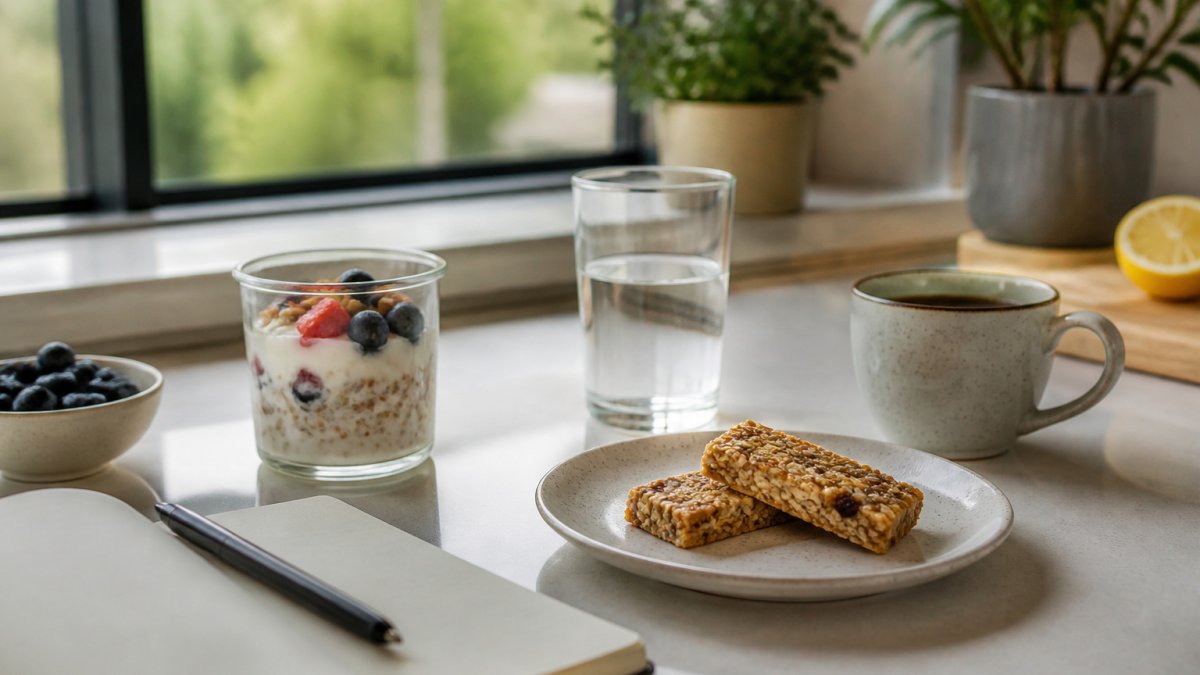
The practical advantage: you get a convenient, portable protein source that doesn't require mixing, blending, or meal prep. One bar works as a pre-workout snack, post-lunch energy boost, or quick breakfast when you're running late.
For people managing dietary restrictions, Pranam Bars are gluten-free and soy-free by design.
Choosing healthy alternatives to soy protein powder doesn't mean compromising on nutrition or convenience.
Frequently Asked Questions
What is the best soy-free protein powder for muscle recovery?
Pea protein isolate and brown rice and pea blends are among the most effective soy-free options for muscle recovery. Pea protein contains all nine essential amino acids and absorbs well, making it ideal for post-workout fueling. Rice protein complements pea protein by providing different amino acid ratios. Choose a powder with at least 20 grams of protein per serving and consider your digestibility, some people find plant-based powders easier to absorb than soy alternatives.
Can you get enough protein from plant foods without soy?
Yes. Legumes like lentils and beans, whole grains such as quinoa, seeds including hemp and chia, and nuts all provide substantial protein. A combination of these whole-food sources can easily meet daily protein needs. For example, one cup of cooked lentils provides about 18 grams of protein, while a quarter cup of hemp seeds offers 10 grams. Pairing different plant sources ensures you consume all essential amino acids throughout the day.
What should I look for in a soy-free protein powder?
Prioritize protein content (at least 15-20 grams per serving), amino acid completeness (all nine essential amino acids), and ingredient transparency. Check for minimal additives and avoid artificial sweeteners if possible. Consider your dietary restrictions, dairy-free, gluten-free, and additive-free options are widely available. Taste and mixability matter too; unflavored powders blend well into smoothies and recipes, while flavored options work better as standalone shakes. If you have food allergies, verify the powder is free from tree nuts, seeds, or other allergens you avoid.
Are whole-food protein sources as effective as protein powder?
Whole foods and powders each have advantages. Whole foods like beans, lentils, and grains provide fiber, vitamins, and minerals that powders often lack, supporting overall digestion and gut health. Powders offer convenience and concentrated protein for quick post-workout recovery. For sustained energy and digestive health, whole foods excel. For immediate muscle recovery or when time is limited, powders are more practical. Many people combine both: whole foods for daily meals and powder for convenience on busy days.
Shop Bars Now
Add pranambars.com as a preferred source on Google →

Comments