
Avoiding Energy Crashes After Snacking: A Step-by-Step Guide

Table of Contents
Last Updated: October 21, 2026
Why Energy Crashes Happen After Snacking
An energy crash after snacking is usually a blood glucose response, but the size and timing of that response vary widely from person to person. The popular explanation, that a sugary snack spikes blood sugar and insulin then drops it below normal, describes one common pattern.
Here is a more accurate, accessible version of what happens after you snack:
Digestion speed sets the curve. Refined starches and added sugars are broken down quickly, so glucose enters the bloodstream fast. Fiber, protein, and fat slow gastric emptying and flatten the curve.
Insulin clears glucose from the blood. A rapid rise prompts a larger insulin response. In some people this overshoots, and blood glucose dips toward or below baseline within one to three hours. That dip is what many people experience as the crash.
Individual factors shift the threshold. Body weight, physical activity, sleep debt, stress hormones, menstrual cycle phase, medications, and how insulin-sensitive you are all change how pronounced that dip feels. A snack that crashes one person may sit fine with another.
What this means practically: the goal is not to eliminate carbohydrate. It is to slow the rate at which glucose arrives.
Watch Out This is general education, not a diagnosis. If you have diabetes, prediabetes, or take glucose-lowering medication, individual blood sugar responses can be very different, and snack advice should come from your clinician or a registered dietitian rather than a general article.
A useful way to think about it: a snack is a small meal, and the same balance rules apply. The next section covers which combinations tend to produce the flattest curve and which portions keep the snack from becoming a second lunch.
Recognizing Sugar Crash Symptoms
A sugar crash feels like sudden, overwhelming fatigue that hits 30 minutes to 2 hours after eating. You might notice your energy evaporates, your focus disappears, or your mood shifts.
Common signs of an energy crash:
Extreme tiredness or brain fog
Difficulty concentrating or making decisions
Irritability or mood swings
Headache or dizziness
The timing matters. If you snacked at 2 PM and feel exhausted by 3 PM, that's a clear signal your snack caused a blood sugar spike and crash. Pay attention to which snacks trigger this response for you, they're the ones to replace.
Watch Out If you're experiencing persistent afternoon fatigue that doesn't improve with snack changes, or if crashes are severe enough to affect your work or safety, consult a healthcare provider. Recurring energy crashes can sometimes signal underlying conditions like blood sugar regulation issues, thyroid problems, or sleep deprivation, none of which food alone can fix.
Snacks for Steady Energy: What to Choose
The best snacks combine protein, fiber, and healthy fats to slow digestion and prevent blood sugar spikes. These nutrients work together to keep glucose entering your bloodstream gradually instead of all at once.

When you pair carbohydrates with protein and fiber, you avoid the rapid blood sugar spike that causes crashes. A piece of fruit alone causes a spike. Fruit plus nuts keeps your energy stable for hours.
Protein and Fiber Snacks That Sustain You
Protein and fiber are your most powerful tools for avoiding energy crashes after snacking. Protein slows down carbohydrate digestion. Fiber adds bulk and slows glucose absorption. Together, they create steady, sustained energy.
The best snacks include 15-20 grams of protein per serving. This is enough to meaningfully slow digestion without feeling too heavy. Pair that protein with at least 3 grams of fiber for maximum stability.
Snacks that work:
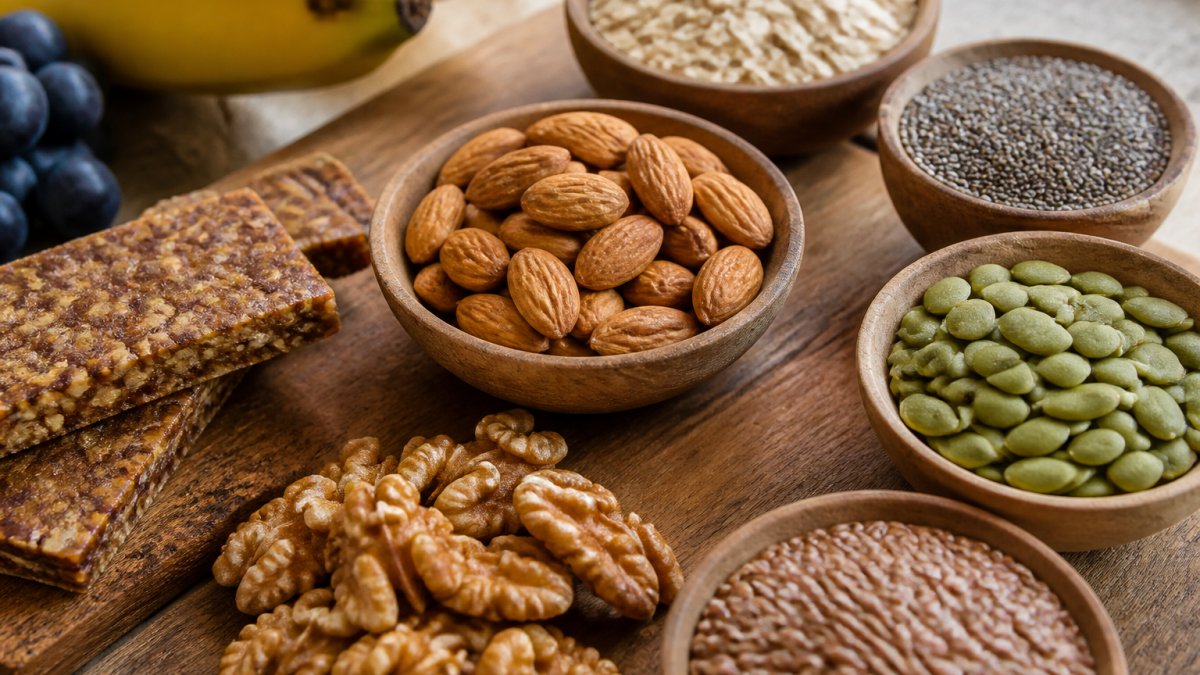
Mixed nuts and seeds (almonds, walnuts, pumpkin seeds)
Greek yogurt with berries
Hard cheese with whole grain crackers
Plant-based nutrition bars with whole grains and legumes
Pro Tip Look for snacks with a protein-to-carbohydrate ratio of at least 1:2. If a snack has 20 grams of carbs, aim for at least 10 grams of protein. This ratio keeps blood sugar stable without making you feel overstuffed.
Portion Sizes and Pairing Strategies
Portion size matters as much as snack choice. A massive handful of nuts provides too many calories and can cause bloating.
Effective portion sizes:
One ounce of nuts or seeds (about a small handful)
One medium piece of fruit
One string cheese or one ounce of hard cheese
Two tablespoons of nut butter
The pairing strategy is simple: combine a carbohydrate source with a protein or fat source. This slows digestion and prevents blood sugar spikes.
Examples of balanced snack pairs:
Apple plus one tablespoon of almond butter
Whole grain crackers plus two ounces of cheese
Berries plus Greek yogurt
Vegetables plus hummus
When you're choosing a nutrition bar, prioritize whole food ingredients and aim for bars high in polyphenols and antioxidants, these compounds support steady energy and overall wellness.
How to Prevent an Afternoon Energy Crash
Preventing crashes requires intentional timing and smart food choices throughout your day. Most afternoon crashes happen because breakfast was hours ago and lunch is a distant memory. Your blood sugar is already low. Then you grab a quick snack that spikes it temporarily. The crash follows.
The fix starts with consistent meal timing.
Timing Your Snacks Throughout the Day
Space your snacks 3-4 hours apart to maintain steady blood sugar. If you eat breakfast at 7 AM, snack around 10 AM. Lunch at 1 PM. Afternoon snack at 4 PM.
Timing strategy:
Eat breakfast within one hour of waking
Snack mid-morning (around 10-11 AM)
Eat lunch around noon or 1 PM
Snack mid-afternoon (around 3-4 PM)
The key is preventing long gaps between eating. When you go 5+ hours without food, your blood sugar drops. Your body craves quick energy. You reach for whatever is fastest, usually something that causes a crash.
Key Takeaway The best time to prevent an energy crash is before it starts. Eating balanced snacks on a consistent schedule keeps blood sugar stable all day.
Hydration and Movement After Eating
Dehydration amplifies energy crashes. When you're dehydrated, your blood volume decreases.
Drink water consistently throughout the day. Aim for at least eight glasses daily, more if you exercise or live in a hot climate.
Movement after eating also helps. A 10-15 minute walk after a meal or snack improves glucose metabolism.
After snacking:
Take a 10-15 minute walk if possible
Do light stretching or movement
Climb stairs
Stand instead of sitting
Even five minutes of movement makes a measurable difference. You don't need intense exercise.
Troubleshooting: What to Do When Crashes Still Happen
Sometimes you eat what looks like a balanced snack and still hit a wall. The useful question is not "what snack is bad" but "which variable is off." Use the symptom pattern below to narrow it down before changing everything at once.
Match the symptom to the likely cause
Crash 30-60 minutes after a sweet or starchy snack, with shakiness or sudden hunger. Likely cause: fast carbohydrate with little protein or fiber. Fix: add 10-20 grams of protein or a fiber source to the same snack, or swap the base. Example: replace a plain granola bar with Greek yogurt and berries, or add a string cheese and a few almonds to the fruit you already eat.
Crash two to three hours after a snack that was mostly protein or fat, with heavy fullness. Likely cause: portion too large or too fat-heavy, which slows digestion and can leave you sluggish rather than energized. Fix: cut the portion roughly in half and add a small amount of fruit or whole grain for quick available energy.
Crash that feels like headache, lightheadedness, or poor concentration, and you have had little water. Likely cause: dehydration amplifying fatigue. Fix: drink 8-16 ounces of water with the snack and reassess in 20 minutes before eating again.
Crash that follows a skipped meal or a 5+ hour gap, not the snack itself. Likely cause: timing, not composition. Fix: move the snack earlier or make the previous meal more substantial.
If you feel a crash coming on
Drink water first, then eat a small combined snack rather than a large meal. A practical recovery portion is roughly 100-200 calories with both protein and a modest amount of carbohydrate, for example a handful of nuts with a few grapes, a string cheese with one whole grain cracker, or half a banana with a tablespoon of nut butter. Avoid candy, soda, and pastries as the fix, because they tend to restart the same rise-and-fall pattern.
When to stop self-troubleshooting
If crashes are frequent despite balanced snacks, consistent timing, hydration, and sleep, bring it up with a healthcare provider. Persistent or severe fatigue can reflect thyroid conditions, blood sugar regulation problems, anemia, sleep disorders, or medication effects, and those are not solved by snack swaps. A registered dietitian can also help you personalize portions and timing if you have dietary restrictions, a busy shift schedule, or a condition that affects glucose handling.
Treat a recurring crash as a diagnostic puzzle: note what you ate, how long after eating the crash hit, and what else was going on that day. Three or four entries usually reveal the pattern faster than overhauling your whole diet.
Avoiding Energy Crashes After Snacking: Your Action Plan
The strategy for avoiding energy crashes after snacking is straightforward: choose balanced snacks, time them consistently, stay hydrated, and move after eating.
Your action plan:
Replace sugary snacks with options containing protein and fiber
Snack every 3-4 hours instead of waiting until you're desperately hungry
Drink water with every snack and meal
Take a short walk or move your body after eating
Monitor which snacks work best for your energy levels
Adjust portions and timing based on your results
Start with one change this week. If you typically snack on crackers or candy, swap it for nuts and fruit. Notice how you feel an hour later.
The goal isn't perfection. It's consistency. One balanced snack won't fix chronic fatigue.
When you're choosing snacks, prioritize whole food ingredients and look for bars formulated to support sustained energy. Pranam Bars are crafted with plant-based, organic ingredients and formulated to be exceptionally high in polyphenols and antioxidants, nutrients that support steady energy and overall wellness without the crash.
Frequently Asked Questions
Why do I feel tired after eating a snack?
Fatigue after snacking typically results from rapid blood sugar spikes followed by crashes. When you eat refined carbohydrates or sugary snacks, your blood sugar rises quickly, triggering an insulin response that pulls glucose from your bloodstream. This sudden drop causes the post-meal fatigue and energy dips you experience. Pairing carbohydrates with protein, fiber, or healthy fats slows digestion and prevents these sharp blood sugar fluctuations, supporting more sustained energy levels throughout your day.
What are the best protein and fiber snacks to avoid energy crashes?
Protein and fiber snacks work together to stabilize blood sugar and prevent energy crashes. Aim for snacks containing protein paired with at least 3 grams of fiber. Examples include plant-based nutrition bars with nuts and seeds, hummus with vegetables, or nut butter with whole grain crackers. These combinations slow carbohydrate absorption, maintain steady blood sugar, and keep you satisfied longer. Look for nutrient-dense foods with minimal added sugars to maximize sustained energy without the afternoon slump.
How can I recognize sugar crash symptoms before they get worse?
Sugar crash symptoms typically appear 1 to 3 hours after eating high-sugar snacks and include fatigue, difficulty concentrating, irritability, and sudden hunger. You might also notice shakiness, headaches, or a fog that makes work or daily tasks harder. Recognizing these early signs lets you respond quickly by drinking water, taking a 10 to 15 minute walk, or eating a balanced snack with protein and fiber. Early intervention prevents the crash from deepening and helps you maintain steady energy levels for the rest of your day.
How do I prevent an afternoon energy crash if I snack mid-morning?
Timing and composition both matter. Eat a mid-morning snack around 10 a.m. that combines protein, complex carbohydrates, and fiber, this delays the energy dip and carries you closer to lunch without a crash. Pair whole grains with nuts, or choose a plant-based bar formulated for sustained energy. Follow your snack with a light movement like a 10 to 15 minute walk and drink water to support digestion and blood sugar stability. This approach maintains balanced energy levels and prevents the afternoon slump that often follows poorly timed or unbalanced snacking.
Energy crashes after snacking don't have to be inevitable. They're a direct result of how you're eating, not a personal failing. By choosing snacks that combine protein, fiber, and healthy fats, timing them consistently throughout your day, staying hydrated, and moving after eating, you take control of your energy levels. Start with one change today. Within a week, you'll notice the difference.


Comments