
5 Healthy Alternatives to Processed Snacks

Table of Contents
Why Processed Snacks Derail Your Health Goals
How to Read Food Labels for Hidden Sugars and Additives
5 Healthy Alternatives to Processed Snacks That Actually Satisfy
Whole Foods and Nutrient-Dense Options
Plant-Based Protein and Healthy Fats
Best Gluten-Free Plant-Based Bars for Convenience
The Hidden Processing in 'Health Foods'
Budget-Friendly Snack Swaps You Can Make Today
Snack Preparation Tips for Busy Schedules
Understanding Cravings and Making Lasting Changes
Frequently Asked Questions
Last Updated: September 30, 2026
Why Processed Snacks Derail Your Health Goals
Processed snacks are engineered to keep you coming back. They hit your brain's reward centers with a precise mix of sugar, salt, and fat. Your body doesn't register fullness the way it does with whole foods. You eat more, feel less satisfied, and crash an hour later.
This matters because what you grab between meals shapes your energy, mood, and long-term health. People who switch from ultra-processed options to nutrient-dense alternatives often report better focus, steadier energy, and fewer cravings.
The real problem isn't willpower. It's that most snacks available are designed to be hyper-palatable, not nourishing. They're packed with added sugars and artificial additives that spike your blood sugar and leave you hungry again quickly. When you understand what's actually in these snacks, choosing better alternatives becomes obvious.
How to Read Food Labels for Hidden Sugars and Additives
The label tells the story, but you need to know where to look. Start with the ingredient list, not the nutrition facts. Ingredients are listed by weight, so if sugar appears in the first three items, that snack is primarily sugar.
Watch for hidden sugars hiding under different names: high-fructose corn syrup, cane juice, agave nectar, maltose, dextrose. They're all sugar. A snack can claim "no added sugar" while containing sweeteners that spike your blood glucose just as fast (Checking your browser).
Check the fiber content next. Whole foods and minimally processed snacks have fiber. Ultra-processed snacks often have very little. Fiber keeps you full longer and stabilizes blood sugar. If a snack has less than 2 grams of fiber per serving, it's probably not keeping you satisfied.
Look for artificial additives: colors, preservatives, emulsifiers. Your body recognizes whole foods. It treats artificial ingredients as foreign substances. Some people report bloating, brain fog, or digestive issues after consuming them. Others feel fine. Either way, they're unnecessary.
A good rule: if you can't pronounce an ingredient or don't know what it is, research it. Most ultra-processed snacks fail this test immediately.
5 Healthy Alternatives to Processed Snacks That Actually Satisfy
The best snack swaps are simple. They combine protein, healthy fats, and fiber. These three elements work together to keep blood sugar stable, suppress hunger hormones, and give your brain steady fuel.
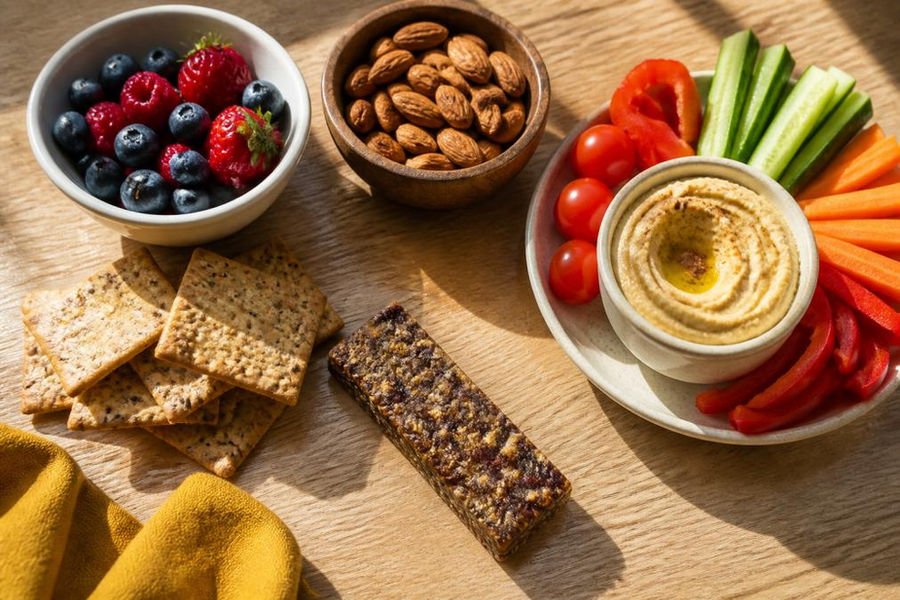
Whole Foods and Nutrient-Dense Options
A handful of almonds beats any processed bar. Almonds have protein, healthy fats, and fiber. They keep you full for hours. The same goes for walnuts, cashews, and mixed nuts. These are shelf-stable, portable, and genuinely satisfying.
Fresh fruit with a nut butter works better than fruit alone. An apple with two tablespoons of almond butter gives you carbs, protein, and fat. Your body processes this slowly. Your blood sugar stays steady. You stay full.
Vegetables with hummus is another winner. Carrots, celery, bell peppers, and hummus give you fiber, plant-based protein, and healthy fats. The crunch satisfies the texture craving that processed snacks target. You can prep these on Sunday and grab them all week.
Greek yogurt with berries provides protein and probiotics. Your gut health improves. You stay full longer than with yogurt alone. Add a small handful of granola for texture and it's a complete snack.
Plant-Based Protein and Healthy Fats
Seeds are underrated. Pumpkin seeds, sunflower seeds, and hemp seeds pack protein and healthy fats into a tiny package. A quarter-cup serving has more protein than most processed bars. They're crunchy, satisfying, and shelf-stable.
Nut and seed butters work as standalone snacks. Two tablespoons of tahini or sunflower seed butter gives you 6-8 grams of protein and healthy fats. Pair with whole grain crackers or apple slices.
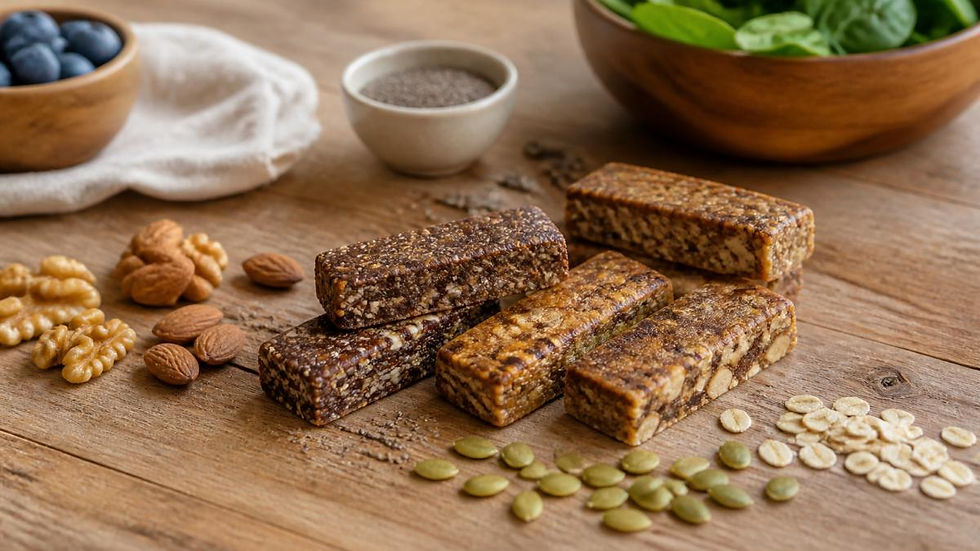
Plant-based protein snacks made from whole ingredients satisfy better than ultra-processed versions. Look for bars with recognizable ingredients: nuts, seeds, dates, coconut oil. These bars digest slowly and keep your energy stable. They don't cause the blood sugar spike and crash that processed snacks do.
Legume-based snacks are emerging as a real alternative. Roasted chickpeas, edamame, and lentil chips give you plant-based protein and fiber. They're crunchy like processed snacks but nutrient-dense like whole foods.
Best Gluten-Free Plant-Based Bars for Convenience
When you need grab-and-go, bars matter. Not all bars are created equal. The best ones use whole food ingredients, minimal processing, and high polyphenol content for antioxidant support.
Look for bars with at least 5 grams of fiber and 6 grams of protein. These numbers mean the bar actually keeps you full. Bars under these thresholds are basically glorified candy.
Pranam Bars are formulated by a neuroscientist with a focus on polyphenols and antioxidants. They're 100% plant-based, organic, and gluten-free, made in small batches in the USA. They support gut health and digestion while delivering sustained energy.
When choosing any bar, check the ingredient list first. If you see more than eight ingredients, or if you can't recognize most of them, keep looking. The best bars read like a recipe you could make at home.
The Hidden Processing in 'Health Foods'
This is where most people get tricked. A snack labeled "natural," "organic," or "health food" can still be ultra-processed.
Granola is a perfect example. It's often half sugar. The oats are there, but they're bound together with honey, oil, and sometimes added sugar. A small bowl of granola can have as much sugar as a candy bar. It's still processed. It still spikes your blood sugar.
Dried fruit is another trap. Raisins, dried cranberries, and dried mango are concentrated sugar. Fresh fruit has water and fiber that slows digestion. Dried fruit is just the sugar, condensed. Eating a handful of dried fruit is like eating candy. Your blood glucose shoots up.
Flavored yogurts marketed as healthy often contain as much sugar as dessert. Plain yogurt with fresh berries is genuinely healthy. Yogurt with fruit flavoring and added sugar is a processed snack wearing a health label.
Granola bars and "protein" bars often contain more sugar than cookies. They're marketed as healthy because they have some protein or fiber, but the sugar content dominates. Read the label. Compare it to what you'd eat otherwise. Most "health" bars fail this test.
The pattern is clear: if it's processed, packaged, and shelf-stable for months, it's been engineered for preservation, not nutrition. Real health foods spoil. They need refrigeration. They have short shelf lives. That's how you know they're actually food.
Budget-Friendly Snack Swaps You Can Make Today
Whole food snacking doesn't require spending more money. In fact, it often costs less than buying pre-packaged processed snacks.
Bulk nuts are cheaper than individual snack packs. Buy almonds, walnuts, or mixed nuts in bulk. Portion them into small containers. Cost per ounce drops significantly. They last weeks in an airtight container.
Seasonal fruit is always cheaper than processed alternatives. In summer, berries are abundant and affordable. In fall, apples cost pennies. Buy what's in season. Freeze what you don't eat immediately. Frozen berries work perfectly in yogurt or as snacks.
Dried beans and lentils are the cheapest protein source available. Roast them with salt and spices. They become crunchy snacks that cost a fraction of processed options. One pound of dried chickpeas makes dozens of servings.
Popcorn is a whole grain snack that costs almost nothing. Air-pop it at home. Season with salt, nutritional yeast, or spices. It's filling, satisfying, and genuinely cheap.
Carrots and celery are incredibly inexpensive. Pair with homemade hummus or nut butter. Your cost per snack drops to under a dollar. Compare that to processed bars at three to five dollars each.
The strategy is simple: buy whole ingredients, portion them yourself, and eat them throughout the week. This takes thirty minutes on Sunday and saves money all week.
Snack Preparation Tips for Busy Schedules
Preparation is the difference between choosing well and grabbing whatever's convenient. When you're hungry and tired, willpower disappears. But if a good snack is already prepared and waiting, you'll eat it.
Sunday prep works. Spend an hour washing, cutting, and portioning snacks. Put them in clear containers at eye level in your fridge. When you open the fridge, you see them first. You grab them automatically.
Nuts and seeds need no prep. Buy them in bulk. Portion into small containers or bags. Keep them in your desk, car, and bag. When hunger hits, you have something ready.
Hard fruits like apples and pears don't need refrigeration.
Understanding Cravings and Making Lasting Changes
Cravings aren't random. They're your body asking for something specific. The trick is learning what your body actually needs versus what processed foods have trained you to want.
Frequently Asked Questions
What makes a snack 'ultra-processed' versus minimally processed?
Ultra-processed snacks contain added sugars, artificial additives, preservatives, and refined ingredients that strip away fiber and micronutrients. Minimally processed snacks use whole foods with short ingredient lists, think raw nuts, fresh fruit, or whole grains. The difference shows in your energy levels: whole foods provide sustained satiety and stable blood sugar, while ultra-processed options cause energy crashes. Check ingredient labels; if you can't recognize most items, it's likely ultra-processed.
How do I identify hidden sugars when reading food labels for hidden sugars?
Look beyond 'sugar' on ingredient lists, manufacturers hide it under names like agave nectar, cane juice, dextrose, and maltose. Check the nutrition facts panel for total sugars and added sugars; aim for under 5g added sugar per serving. Watch for products labeled 'healthy' or 'natural' that still contain 10+ grams of sugar. Read the ingredient order too; if sugar appears in the first three ingredients, it's a significant portion of the product.
Are plant-based bars actually better than traditional processed snacks?
Not all plant-based bars are created equal. The best gluten-free plant-based bars use whole food ingredients, minimal added sugars, and real plant proteins, these genuinely support digestion and sustained energy. However, many plant-based options still contain preservatives, artificial sweeteners, and fillers. The key difference is ingredient quality: bars made with organic superfoods, polyphenol-rich plants, and minimal processing provide actual nutritional benefits, while others are just processed foods with a 'plant-based' label.
What role do polyphenols play in healthy snacking?
Polyphenols are antioxidants found in plant foods that reduce inflammation, support gut health, and improve metabolic function. They help regulate blood sugar, reduce cravings, and protect your cells from oxidative stress. Snacks rich in polyphenols, like berries, nuts, seeds, and whole grains, provide lasting satiety and support your body's natural detoxification. This is why whole foods and minimally processed snacks outperform ultra-processed alternatives: they deliver protective nutrients your body actually uses.
Shop Bars Now


Comments