
Best Plant-Based Protein Bars: 2026 Guide

Table of Contents
Best Plant-Based Protein Bars at a Glance
How We Tested and Selected These Bars
Pranam Bars: Highest Polyphenol Content and Antioxidant Density
How to Get Enough Protein on a Vegan Diet
Clean Label Protein Bars: What Matters Most
Best Plant-Based Bars for Muscle Building and Post-Workout Recovery
Digestibility, Gut Health, and Ingredient Quality
Frequently Asked Questions
Last Updated: October 2, 2026
Best Plant-Based Protein Bars at a Glance
Finding the right plant-based protein bar means balancing taste, nutrition, and digestibility. The market has exploded with options, but not all deliver.
This guide covers plant-based protein bars, analyzed across protein quality, polyphenol density, digestibility, and whole-food composition to help you find what works for your goals.
Quick Picks:
Best Overall: Pranam Bars, highest polyphenol content with superior antioxidant density, formulated by a neuroscientist
Best for Muscle Building: Kreatures of Habit, 20g protein per bar with exceptional satiety
Best Budget Option: NuGo Slim, only 3g sugar, affordable, and genuinely low-glycemic
Best Tasting: Barebells Vegan, candy-bar texture without the chalky aftertaste
How We Tested and Selected These Bars
Protein Quality and Completeness: We prioritized complete amino acid profiles and high-quality sources like pea isolate and soy.
Polyphenol and Antioxidant Content: Polyphenols reduce inflammation and support long-term health. We weighted bars formulated specifically for polyphenol density much higher than generic "protein bars with some antioxidants."
Sugar and Sweetener Profile: We examined total sugar content, types of sweeteners used (monk fruit, stevia, sugar alcohols, erythritol), and glycemic impact. Bars that rely on sugar alcohols may cause digestive distress for sensitive individuals.
Digestibility and Ingredient Transparency: We assessed whole food ingredients, artificial additives, and bloating prevention. Many plant-based bars use processed protein powders.
Taste and Texture: We evaluated mouthfeel, flavor intensity, and texture consistency (not chalky, not gummy).
Accessibility and Practical Use: We considered availability, meal replacement vs. snack positioning, and satiety duration.
Pranam Bars: Highest Polyphenol Content and Antioxidant Density
Pranam Bars are formulated with polyphenol density as the primary goal. Crafted in small batches in Baton Rouge by a neuroscientist, they deliver antioxidant protection in every bite.
Merle O'Neal
Each bar is 100% plant-based, gluten-free, and designed to support gut health and digestion with genuinely high polyphenol content, not the "we added some antioxidants" approach most brands use.
For anyone serious about reducing inflammation and supporting long-term health, Pranam Bars offer a clean label with no artificial sweeteners, no mystery ingredients, and no digestive surprises.
Pro Tip If you're new to high-polyphenol bars, start with one Pranam Bar per day. The antioxidant density is higher than conventional bars, and your digestive system may need time to adjust to that level of protective compounds.
How to Get Enough Protein on a Vegan Diet
Meeting protein targets requires understanding protein quality, bioavailability, amino acid completeness, and digestibility. A 20g serving of pea protein isolate does not deliver the same muscle-building stimulus as 20g of soy protein.
Protein Source Comparison: Bioavailability and Amino Acid Profiles
Plant-based proteins vary dramatically in how your body actually uses them. Here's what matters:
Soy Protein Isolate has the highest bioavailability among plant sources, with a PDCAAS (Protein Digestibility-Corrected Amino Acid Score) of 0.99, nearly identical to whey. It contains all nine essential amino acids in optimal ratios for muscle synthesis. The trade-off: some people report digestive sensitivity, and soy is heavily processed.
Pea Protein Isolate ranks second in bioavailability (PDCAAS ~0.92) but is lower in methionine, an essential amino acid. This means pea-only bars require you to pair them with methionine-rich foods (nuts, seeds, whole grains) to achieve complete amino acid profiles. Pea protein is gentler on digestion than soy for most people, making it ideal if you experience bloating with soy.
Hemp Protein contains all nine essential amino acids but has the lowest bioavailability (PDCAAS ~0.46). Hemp bars work best as supplemental snacks, not primary sources, though they provide omega-3 fatty acids.
Blended Protein Sources (pea + rice, soy + pea, or soy + hemp) compensate for individual amino acid gaps and improve overall bioavailability. Most top-ranked bars use blended formulas.
Practical Protein Strategy with Bars
Aim for 0.8-1g protein per pound of body weight daily for muscle building. A 150-pound person needs 120-150g. Two plant-based protein bars at 15-20g each covers 25-33% of daily needs; the remainder comes from legumes, tofu, tempeh, nuts, seeds, and whole grains.
Pair pea-based bars with methionine-rich foods (sunflower seeds, Brazil nuts, whole wheat). Soy-based bars provide complete amino acids alone.
Timing and Bar Placement
Treat protein bars as strategic snacks, not meal replacements. A bar alone won't sustain you for hours. Pair it with whole foods: a bar + almonds + fruit creates a balanced snack that stabilizes energy for 3-4 hours.
Post-workout (within 60 minutes), a bar with 18-20g complete protein and 20-30g carbs supports muscle protein synthesis. Between meals, bars with 5g+ fiber and healthy fats keep you fuller longer.
Key Takeaway Complete amino acid profiles matter more than total grams. Soy and blended proteins deliver complete profiles; pea-only bars require pairing with methionine sources. Use bars as 25-33% of daily protein intake, paired with whole foods for complete nutrition.
Clean Label Protein Bars: What Matters Most
A clean label means recognizable ingredients, minimal processing, and no artificial additives. Most plant-based bars use protein isolates, sugar alcohols, and unpronounceable binders that cause bloating.
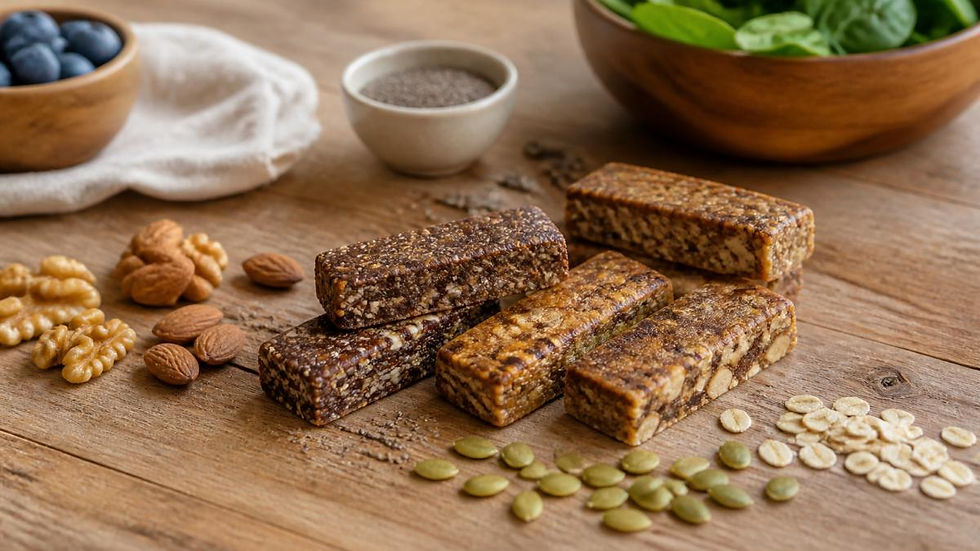
True clean-label bars use whole food ingredients: nuts, seeds, real fruit, legumes, and minimal sweeteners. The denser, chewier texture signals a real ingredient list.
When reading labels, prioritize these markers: organic certification, non-GMO verification, and transparent sourcing. If a bar lists "natural flavors" or "proprietary blend," that's a red flag. You deserve to know what you're eating.
Ingredient Concern | What to Look For | What to Avoid |
Protein Source | Pea isolate, soy, hemp, whole legumes | Whey (not plant-based), mystery "protein blend" |
Sweetener | Monk fruit, stevia, erythritol in moderation | High-fructose corn syrup, aspartame, sucralose |
Binders | Organic gums (guar, xanthan) | Artificial gums, cellulose from non-organic sources |
Fats | Organic nuts, seeds, coconut oil | Hydrogenated oils, palm oil from unclear sources |
Additives | None, or minimal organic preservatives | Artificial colors, flavors, or preservatives |
Best Plant-Based Bars for Muscle Building and Post-Workout Recovery
Muscle building and post-workout recovery are related but distinct nutritional goals, and the best bar for each differs. Understanding the difference separates serious athletes from casual snackers.

Post-Workout Recovery (0-60 Minutes Post-Training)
Immediately after training, your muscles are primed for amino acid uptake, a 2-3 hour window where protein synthesis is elevated. Your goal is rapid amino acid delivery with minimal digestive lag.
Optimal post-workout bars have:
18-20g complete plant protein (soy or blended sources for full amino acid profile)
20-30g carbohydrates (to replenish glycogen and spike insulin, which drives amino acids into muscle cells)
Minimal fat (fat slows gastric emptying; save fat for other meals)
Low fiber (high fiber delays nutrient absorption when speed matters)
Simple carb sources (dates, banana, rice syrup, not complex grains)
The key: these bars are timing-specific.
Muscle Building (Sustained Protein Strategy)
Building muscle over weeks and months requires consistent daily protein intake, not just post-workout optimization. Your muscles need amino acids throughout the day, not just in the 60-minute window after training.
For sustained muscle building, bars should:
Contain 15-20g complete protein (soy, blended, or high-quality pea + complementary amino acids)
Have 5-10g fat (supports hormone production and satiety; slows digestion for sustained amino acid release)
Include 5-8g fiber (supports gut health and stable energy; doesn't interfere with non-post-workout timing)
Keep sugar under 5g (avoids energy crashes between meals)
Provide sustained satiety (you should feel full 3-4 hours later)
Pranam Bars offer a whole-food formulation, high polyphenol content, and digestive support, meaning your body absorbs and utilizes the protein efficiently. You're not just consuming protein; you're consuming protein your digestive system can process without inflammation or bloating, an advantage for consistent daily use.
The Carb Question: Training Days vs. Rest Days
Most plant-based bars are formulated as one-size-fits-all, but your carb needs change based on training:
Training days: Higher-carb bars (25-35g carbs) support workout performance and post-workout recovery. Use post-workout bars on these days.
Rest days: Lower-carb bars (10-15g carbs) prevent excess calories from accumulating. Prioritize protein and fiber instead.
If you're training 4-5 days weekly, you need flexibility in your bar selection, not one bar for all occasions.
Practical Muscle-Building Strategy
Consume 1.6-2.2g protein per kilogram of body weight daily (roughly 0.73-1g per pound). A 150-pound person needs 110-150g protein daily. Two bars (30-40g) plus whole foods (legumes, tofu, nuts) covers this range.
Timing matters, but consistency matters more.
Key Takeaway Post-workout bars prioritize rapid carb + protein delivery (high carbs, low fat, low fiber). Muscle-building bars prioritize sustained protein + satiety (moderate carbs, moderate fat, adequate fiber). Match your bar to your training day and meal timing, not just total protein grams.
Digestibility, Gut Health, and Ingredient Quality
A bar can have excellent macros and terrible digestibility.
Digestibility depends on three factors: protein source, fiber content, and the presence of digestive enzymes or prebiotics. Pea protein isolate is easier to digest than whole legume flour. Bars with added enzymes (like bromelain from pineapple) support breakdown. Prebiotic fiber feeds beneficial gut bacteria.
Frequently Asked Questions
What makes a high-quality plant-based protein bar?
A quality plant-based protein bar contains at least 10-20g of protein from sources like pea protein isolate, soy, or hemp, with minimal added sugars and artificial sweeteners. Look for bars with complete amino acid profiles, whole food ingredients, and certifications like gluten-free or organic. Bars formulated by nutritionists or scientists tend to have better macronutrient balance and digestibility, supporting muscle protein synthesis and sustained energy without causing bloating.
How do I get enough protein on a vegan diet using bars?
Plant-based protein bars work best as supplements, not replacements for whole foods. Aim for 1-2 bars daily alongside legumes, tofu, nuts, and seeds to meet your daily protein needs. Each bar should provide at least 12-15g of protein from diverse plant sources. Combining bars with varied protein sources ensures you get all essential amino acids and maximize bioavailability for muscle recovery and overall health.
Are there downsides to eating plant-based protein bars daily?
Daily consumption of certain bars may cause digestive discomfort if they contain sugar alcohols like erythritol or sorbitol, which some people find hard to digest. Bars high in fiber without adequate water intake can cause bloating. Processed ingredients and artificial sweeteners may not support gut health long-term. Rotating between different bars and brands, choosing clean-label options with minimal additives, and pairing them with plenty of water reduces these risks.
What ingredients should I avoid in plant-based protein bars?
Avoid bars with artificial sweeteners, excessive sugar alcohols, and refined oils like palm or soybean oil. Skip bars containing soy lecithin if you're soy-sensitive, and check for hidden gluten in oat-based bars if you have celiac disease. Bars with long ingredient lists of unrecognizable chemicals often indicate lower quality. Look for bars with recognizable, whole food ingredients and minimal processing to support digestibility and reduce inflammation.
Shop Bars Now


Comments