
Why Antioxidants Matter in Plant-Based Diets

Table of Contents
What Antioxidants Do: Free Radicals and Oxidative Stress
Antioxidant-Rich Plant-Based Foods That Protect Your Cells
Leafy Greens and Cruciferous Vegetables
Berries, Stone Fruits, and Colorful Produce
Polyphenol-Rich Foods: The Antioxidant Powerhouses
How Polyphenols Work in Your Body
Top Polyphenol Sources for Plant-Based Eaters
Plant-Based Diet Nutrients Beyond Antioxidants
How to Get Antioxidants from Food: Practical Strategies
Whole Foods Versus Antioxidant Supplements
Antioxidants and Long-Term Health Benefits
Frequently Asked Questions
Last Updated: October 18, 2026
What Antioxidants Do: Free Radicals and Oxidative Stress
Antioxidants are molecules that neutralize free radicals, preventing them from damaging your cells and contributing to aging and chronic disease. Free radicals are unstable atoms created during normal metabolism and exposure to environmental stressors like pollution and UV radiation.
This is where antioxidants become essential. They donate electrons to free radicals, stabilizing them and stopping the cascade of cellular damage. Your body produces some antioxidants naturally, but a plant-based diet rich in antioxidants significantly amplifies your defense system.
Why antioxidants matter in plant based diets goes beyond just neutralizing damage. When you consume antioxidant-rich foods, you're absorbing protective compounds that have been refined through millions of years of plant evolution. Plants produce antioxidants as their own defense mechanism against oxidative stress. When you eat them, you inherit that protection.
The research on oxidative stress connects to inflammation, cardiovascular health, brain function, and how quickly your cells age. According to the National Institutes of Health's aging research, oxidative damage accumulates over decades and is implicated in most age-related diseases. This makes antioxidant intake not just a wellness trend, it's a fundamental component of long-term health strategy.
Antioxidant-Rich Plant-Based Foods That Protect Your Cells
The most concentrated sources of antioxidants come from plant foods, particularly those with deep colors. The pigments that give foods their vibrant hues, the deep purples in blueberries, the dark greens in spinach, the bright oranges in sweet potatoes, are often polyphenols and other phytochemicals that serve as antioxidants.

Leafy Greens and Cruciferous Vegetables
Leafy greens like spinach, kale, and collard greens contain lutein, zeaxanthin, and quercetin, all potent antioxidants that protect eye health and support cognitive function. Cruciferous vegetables such as broccoli, cabbage, and Brussels sprouts contain sulforaphane, a compound with particularly strong antioxidant and anti-inflammatory properties.
These vegetables also provide fiber, which feeds beneficial gut bacteria and creates a healthier microbiome. A healthier gut microbiome improves nutrient absorption and supports immune function. The combination of antioxidants, fiber, and phytonutrients makes these foods foundational for anyone prioritizing plant-based nutrition.
The practical advantage: these foods are affordable, widely available year-round, and shelf-stable. Raw or cooked, they deliver substantial antioxidant content. Many people find that adding just one extra serving of leafy greens per day creates noticeable improvements in energy and digestion within a few weeks.
Berries, Stone Fruits, and Colorful Produce
Blueberries, blackberries, raspberries, and strawberries are among the highest-antioxidant foods available. They contain anthocyanins, the pigments responsible for their deep colors, which cross the blood-brain barrier and protect neural tissue. Stone fruits like plums and cherries deliver similar benefits through different polyphenol profiles.
Beyond berries, colorful produce like beets, pomegranates, and red grapes provide betalains and resveratrol respectively. Each color represents a different antioxidant profile, so eating a rainbow of plant foods ensures you're getting diverse protective compounds rather than relying on just one or two.
The challenge many face: fresh berries are seasonal and expensive. Frozen berries retain their antioxidant content and cost significantly less. Dried fruits like raisins and dates concentrate their antioxidants, though they also concentrate sugars. The key is variety and whole-food sources rather than chasing one "superfood." Consistent intake of these compounds supports recovery, making it essential to prioritize antioxidants after exercise to mitigate the oxidative stress generated by physical exertion.
Polyphenol-Rich Foods: The Antioxidant Powerhouses
Polyphenols are a specific class of phytochemicals with exceptional antioxidant capacity. When people talk about why antioxidants matter in plant based diets, polyphenols are often the star, they're the compounds most extensively studied for disease prevention and longevity.
How Polyphenols Work in Your Body
Polyphenols don't just neutralize free radicals in the moment. They trigger your body's own antioxidant defense systems. They activate enzymes like superoxide dismutase and catalase, your cells' internal antioxidant factories. This amplification effect means polyphenols create lasting protection rather than one-time neutralization.
Additionally, polyphenols modulate inflammation pathways and support mitochondrial function. Your mitochondria are the energy factories of your cells, and when they work efficiently, you experience better energy, clearer thinking, and improved recovery. Polyphenols also support the integrity of your gut barrier, which prevents harmful compounds from entering your bloodstream and triggering systemic inflammation.
This is why whole-food sources matter more than isolated supplements. A polyphenol-rich food like green tea or dark chocolate delivers not just polyphenols but also cofactors, other nutrients that enhance absorption and function. The whole package works synergistically in ways that isolated compounds cannot replicate.
Top Polyphenol Sources for Plant-Based Eaters
The richest polyphenol sources include green and black tea, coffee, dark chocolate (70% cacao or higher), olives and olive oil, red wine, pomegranates, berries, and legumes like lentils and chickpeas. Spices such as turmeric (containing curcumin), cinnamon, and oregano are extraordinarily dense in polyphenols, a single teaspoon of oregano contains more antioxidant capacity than a full cup of blueberries.
Nuts and seeds like almonds, walnuts, and flaxseeds contribute additional polyphenols alongside healthy fats and protein. Whole grains, particularly oats and buckwheat, provide phenylpropanoids and other polyphenol classes. The strategy: distribute polyphenol-rich foods throughout your day rather than loading them into one meal.
Many plant-based eaters discover that small changes yield significant results. Adding a cup of green tea, a small handful of dark chocolate, or a polyphenol-rich snack like Pranam Bars to your routine creates cumulative protective effects over time.
Plant-Based Diet Nutrients Beyond Antioxidants
While antioxidants capture attention, why antioxidants matter in plant based diets is inseparable from the broader nutrient profile of whole plant foods. Antioxidants work best alongside fiber, essential minerals, and other phytonutrients.
Fiber feeds your gut microbiome, which produces short-chain fatty acids that reduce inflammation and support brain health. Magnesium, found abundantly in leafy greens, nuts, and seeds, supports muscle function and stress resilience. Potassium from plant foods regulates blood pressure and cardiovascular function. Zinc from legumes and seeds supports immune function and wound healing.
The synergy matters. You cannot isolate antioxidants from the broader nutritional ecosystem of plant foods and expect the same results. This is why food-first approaches consistently outperform supplement-based strategies in long-term health outcomes.
How to Get Antioxidants from Food: Practical Strategies
Getting adequate antioxidants doesn't require exotic ingredients or complicated meal planning. Start with these evidence-based approaches:
Eat the rainbow daily. Aim for at least three different colored plant foods at each meal. Different colors represent different antioxidant compounds, so variety ensures comprehensive coverage.
Prioritize whole foods over juices. Whole fruits and vegetables retain fiber and structure that slows sugar absorption and maximizes nutrient delivery. Juices concentrate sugars and remove fiber.
Include a polyphenol source at every meal. This could be tea with breakfast, olive oil with lunch, or a polyphenol-rich snack like berries or dark chocolate with dinner. Consistency matters more than quantity.
Cook strategically. Light cooking (steaming, sautéing) often increases antioxidant bioavailability by breaking down cell walls. Excessive heat degrades some antioxidants, so avoid prolonged boiling or high-heat frying.
Combine antioxidants with healthy fats. Many antioxidants are fat-soluble, meaning they absorb better when eaten with olive oil, nuts, seeds, or avocado. A salad of leafy greens with olive oil dressing delivers more antioxidant benefit than the same greens without fat.
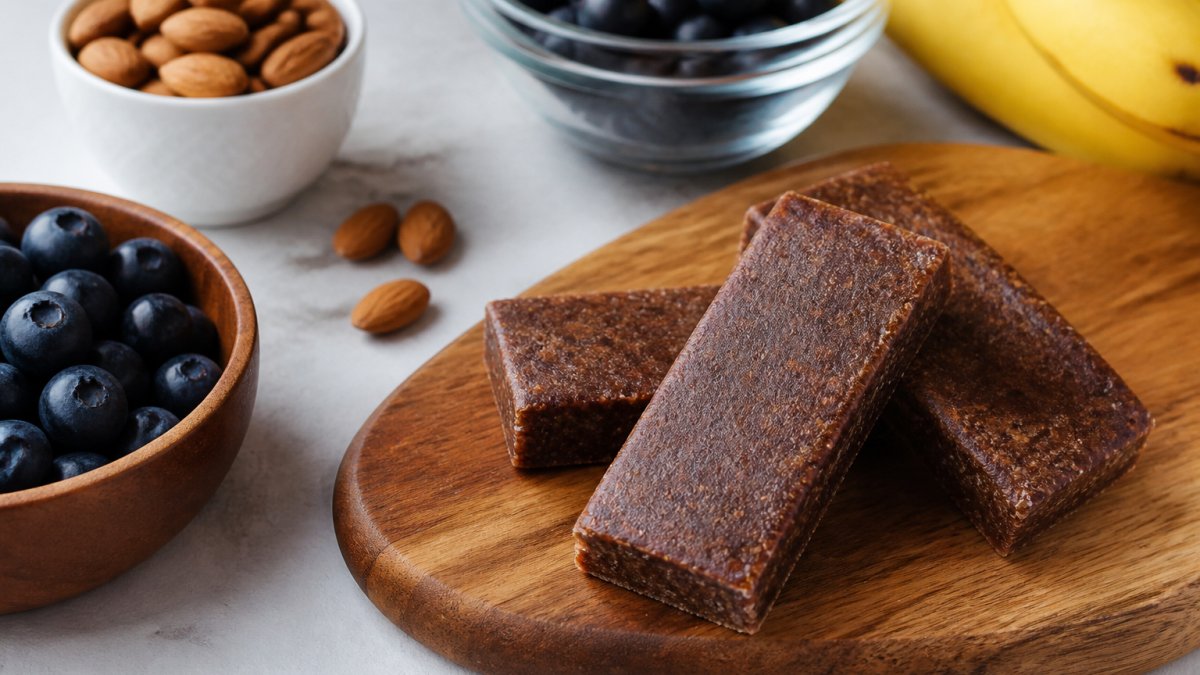
For busy professionals and parents, convenient options matter. Pranam Bars provide a practical solution, each bar is formulated to deliver substantial polyphenol and antioxidant content in a single-serving format. This addresses the common barrier: knowing what to eat is one thing; actually eating it consistently is another.
Whole Foods Versus Antioxidant Supplements
The supplement industry has built a massive market around isolated antioxidants, vitamin C, vitamin E, beta-carotene, and others. The promise is appealing: take a pill, get the protection. The reality is more complicated.
Research consistently shows that isolated antioxidant supplements do not produce the same health outcomes as antioxidants from whole foods. Several large studies found that high-dose antioxidant supplements provided no cardiovascular benefit and in some cases increased health risks (pubmed.ncbi.nlm.nih.gov).
When you eat a polyphenol-rich food, you're not just getting the polyphenol. You're getting fiber, minerals, cofactors, and other phytochemicals that enhance absorption and function. Your gut bacteria ferment fiber and produce metabolites that amplify the antioxidant effect. These systemic interactions cannot be replicated by swallowing a capsule.
The practical implication: focus on food first. If you're eating a consistent diet rich in colorful plant foods, leafy greens, berries, legumes, nuts, and whole grains, you're getting more antioxidant protection than most supplement regimens could provide. Supplements may have a role for specific deficiencies, but they're not a substitute for dietary patterns.
Antioxidants and Long-Term Health Benefits
Why antioxidants matter in plant based diets becomes clearest when you look at long-term health outcomes. Populations that consume plant-based diets rich in antioxidants show lower rates of cardiovascular disease, type 2 diabetes, certain cancers, and cognitive decline.
Cardiovascular health improves through multiple mechanisms: antioxidants reduce LDL oxidation (a key driver of atherosclerosis), support endothelial function, and reduce inflammation in blood vessels. Over years and decades, these changes translate to lower heart disease risk.
Metabolic health benefits from antioxidants' ability to reduce oxidative stress in pancreatic cells and improve insulin sensitivity. This protects against diabetes progression and supports stable blood sugar.
Healthy aging and longevity connect to antioxidant status through multiple pathways. Oxidative damage accumulates over decades. By maintaining high antioxidant intake throughout your life, you're slowing that accumulation and reducing the risk of age-related diseases manifesting.
The evidence suggests that consistency matters more than perfection. Someone eating a moderately antioxidant-rich plant-based diet consistently over 20 years will see better outcomes than someone eating an extremely high-antioxidant diet sporadically.
Understanding why antioxidants matter in plant based diets helps you to make food choices that genuinely support your health.
Strategy | Best For | Implementation |
Colorful whole foods | Daily antioxidant variety | Three colors per meal |
Polyphenol sources | Concentrated protection | One source per meal |
Healthy fat pairing | Enhanced absorption | Oil, nuts, or seeds with antioxidants |
Convenient options | Busy schedules | Nutrient-dense bars or prepared foods |
Consistency over perfection | Long-term health | Regular moderate intake beats sporadic extremes |
Key Takeaway Antioxidants from plant foods work synergistically with fiber, minerals, and other phytonutrients, you cannot isolate them and expect the same protective effect. Whole foods consistently outperform supplements for long-term health outcomes.
Pro Tip Spices are antioxidant powerhouses. A single teaspoon of oregano or turmeric delivers exceptional polyphenol content. Add them liberally to meals for cumulative protection without extra calories or cost.
Watch Out High-dose antioxidant supplements can interfere with your body's natural antioxidant defense systems and have shown no cardiovascular benefit in large studies. Focus on food-based antioxidants rather than supplements unless specifically recommended by your healthcare provider.
Frequently Asked Questions
What are antioxidants, and how do they work in the body?
Antioxidants are compounds that neutralize free radicals, unstable molecules that damage cells through oxidative stress. When you eat antioxidants from plant-based foods, they scavenge these free radicals and reduce cellular damage. Phytochemicals like flavonoids and polyphenols are among the most potent antioxidants, and they're abundant in whole plant foods. This protection accumulates over time, supporting your immune system, brain health, and cardiovascular function.
Which plant-based foods are highest in antioxidants?
Dark leafy greens like spinach and kale, cruciferous vegetables such as broccoli and cabbage, and berries deliver exceptional antioxidant levels. Colorful produce, deep purples, oranges, and reds, signals high phytonutrient content. Polyphenol-rich foods include nuts, seeds, legumes, whole grains, and spices like turmeric. Eating a variety of these foods throughout the week ensures you get different types of antioxidants and supporting micronutrients that work synergistically to protect your health.
Do you need antioxidant supplements on a plant-based diet?
Whole plant foods provide antioxidants alongside fiber, vitamins, and minerals your body needs for optimal absorption and health. Supplements isolate single compounds and lack the synergistic effects of whole foods. Research shows whole-food sources are more bioavailable and effective than isolated supplements. A well-planned plant-based diet with diverse colorful produce supplies all the antioxidants most people need. Supplements may have a role for specific medical conditions, but they're not necessary for general health.
How can you add more antioxidant-rich foods to everyday meals?
Start by filling half your plate with vegetables at lunch and dinner, prioritizing dark greens and colorful produce. Add berries to breakfast or snacks, swap refined grains for whole grains, and include legumes several times weekly. Use herbs and spices like turmeric, oregano, and cinnamon to boost polyphenol intake. Choose minimally processed plant-based snacks, like nuts, seeds, or whole-food bars formulated with antioxidant-rich ingredients, to sustain energy between meals and maintain steady nutrient intake.
Shop Bars Now

Comments