
Clean Label Gluten-Free Snacks: 10 Best Options

Table of Contents
What Makes a Clean Label Gluten-Free Snack
Understanding Clean Label Standards
Gluten-Free Certification and Cross-Contact
How to Read Gluten-Free Food Labels
Ingredient-Level Screening Criteria
Recognizing Hidden Gluten Sources
10 Best Clean Label Gluten-Free Snacks Ranked
1. Pranam Bars: Polyphenol-Rich Plant-Based Nutrition
2. Larabar Fruit and Nut Bars: Minimal Ingredient Philosophy
3. RX Bar: Essential Protein and Whole Foods
4. Purely Elizabeth Granola: Organic Superfood Blend
5. Purely Elizabeth Oat Cups: Convenient Single-Serve Format
6. Crunchmaster Multi-Seed Original: Savory Cracker Option
7. Crunchmaster Peanut Butter Berry Bites: Protein and Antioxidants
8. Crunchmaster Avocado Toast: Trendy Flavor Profile
Gluten-Free Plant-Based Bars for Sustained Energy
Why Plant-Based Matters for Digestion
Protein and Fiber Content Comparison
Snacks for Celiac Safety and Family Use
Manufacturing Standards and Cross-Contamination Risk
Child-Friendly and Allergy-Conscious Options
Nutrition and Dietary Trade-Offs
Added Sugar, Sodium, and Serving Sizes
Antioxidants and Polyphenols in Clean Snacks
Where to Buy Clean Label Gluten-Free Snacks
Frequently Asked Questions
Last Updated: October 13, 2026
What Makes a Clean Label Gluten-Free Snack
A clean label gluten-free snack meets two standards: transparent ingredient lists and verified gluten-free safety.
What separates a snack that claims to be gluten-free from one safe for celiac disease is manufacturing and certification. A "gluten-free" label meets FDA standards (under 20 parts per million), but cross-contact during production still poses risks.
Understanding Clean Label Standards
Clean label isn't regulated, but consumers and retailers have converged on a practical definition: five or fewer recognizable ingredients, no artificial colors or flavors, and no high-fructose corn syrup, artificial sweeteners, or synthetic preservatives.
For snacks, that means whole foods like nuts, seeds, dried fruit, grains, and plant-based proteins, no "natural flavoring" masking unknown compounds, no emulsifiers extending shelf life at the cost of digestibility.
Gluten-Free Certification and Cross-Contact
The FDA caps gluten at 20 parts per million, but certification goes further.
Cross-contact occurs when gluten-containing products share equipment, utensils, or air space with gluten-free snacks. A facility that mills wheat flour in the morning and switches to gluten-free bars in the afternoon without thorough cleaning creates real risk.
How to Read Gluten-Free Food Labels
Reading a gluten-free label means checking three layers: the front-of-package claim, the ingredient list, and the manufacturing statement. The front label is marketing; the real information lives in the details.
Start with the ingredient list. Scan for obvious gluten: wheat, barley, rye, and standard oats (often cross-contaminated).
Ingredient-Level Screening Criteria
When evaluating a clean label gluten-free snack, apply these screening criteria in order:
Primary ingredients (the first 3-5 items): These should be whole foods you recognize. Nuts, seeds, dried fruit, whole grains like rice or quinoa. If the first ingredient is "corn syrup" or "vegetable oil," the product prioritizes shelf life over nutrition.
Sweeteners: Clean label snacks use dates, honey, coconut sugar, or monk fruit. Avoid artificial sweeteners (sucralose, aspartame) and high-fructose corn syrup.
Binders and thickeners: Xanthan or guar gum in moderation are plant-derived and generally well-tolerated, but large quantities can cause digestive distress.
Additives and preservatives: Avoid BHA, BHT, and sodium benzoate.
Recognizing Hidden Gluten Sources
Gluten hides in unexpected places. Malt flavoring, common in granolas and energy bars, comes from barley.
Another hidden source: oats. Naturally gluten-free, they're often processed on equipment shared with wheat, so only certified gluten-free oats guarantee safety.
"Natural flavor" or "spice blend" labels are vague, manufacturers needn't detail what's inside, and these compounds can contain gluten.
10 Best Clean Label Gluten-Free Snacks Ranked
The snacks below meet three criteria: clean label standards (recognizable, whole-food ingredients), verified gluten-free safety, and practical availability. Each serves different priorities, sustained energy, plant-based nutrition, family-friendly options, or savory alternatives to sweet bars.

1. Pranam Bars: Polyphenol-Rich Plant-Based Nutrition
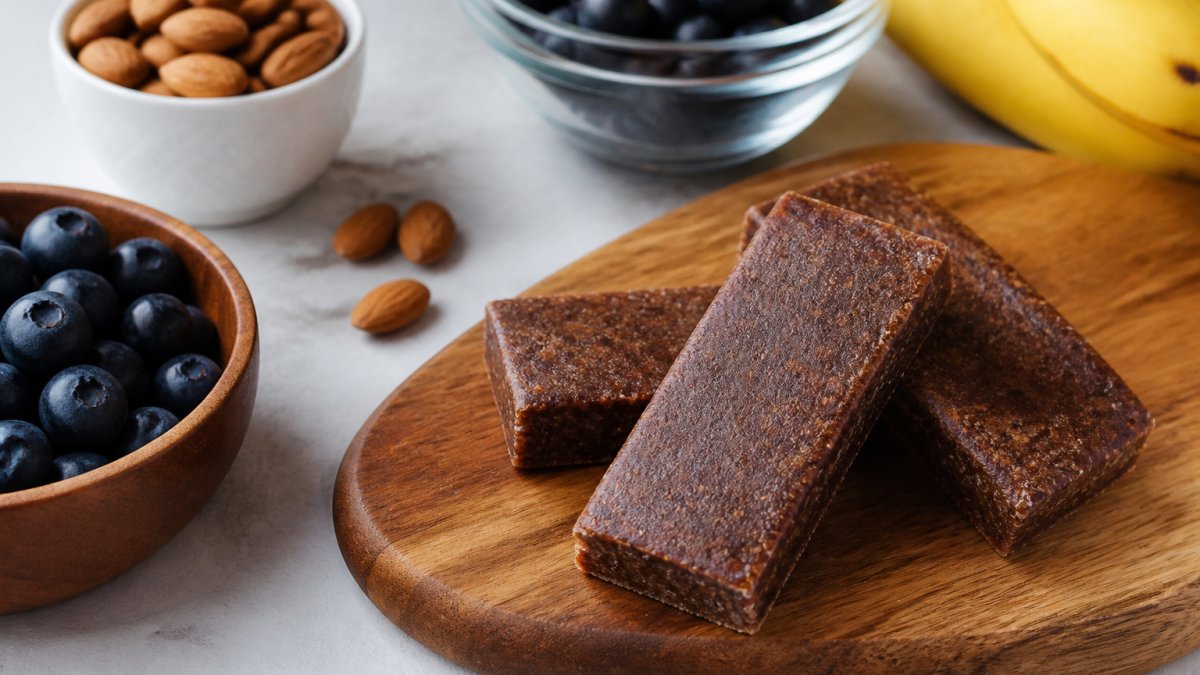
Pranam Bars stand out for science-backed formulation and polyphenol density. Handcrafted in small batches in Louisiana, these 100% plant-based bars are certified gluten-free and organic, made from dates, nuts, seeds, and plant-based proteins with zero artificial additives.
What sets Pranam Bars apart is antioxidants: they're exceptionally high in polyphenols, compounds that reduce inflammation and support gut health, a real concern for celiac disease or gluten sensitivity.
Pro Tip Pranam Bars are formulated by a neuroscientist, which reflects in the ingredient selection. Every component serves a nutritional purpose, no filler, no marketing ingredients that sound good but deliver nothing. This is clean label taken seriously.
The texture is dense and satisfying, and the taste doesn't sacrifice nutrition, rare in the plant-based bar category. For busy professionals, parents packing kids' snacks, and anyone prioritizing gut health alongside convenience, Pranam Bars are the top choice in clean label gluten-free snacks.
2. Larabar Fruit and Nut Bars: Minimal Ingredient Philosophy
Larabar stripped snacking to its essence: whole foods, nothing else.
The minimal approach suits sensitive digestive systems or multiple food sensitivities: if you react to xanthan gum, guar gum, or other common additives, Larabar's simplicity eliminates those variables.
The tradeoff is texture and variety: dense, chewy bars some love and others find heavy, with a limited flavor range.
3. RX Bar: Essential Protein and Whole Foods
RX Bar markets "no B.S." snacking, and the ingredient list backs it: egg white protein, almonds, cashews, dates, and cocoa, recognizable whole foods without fillers or artificial sweeteners.
The protein content distinguishes RX Bar from fruit-only snacks.
The bars are thicker and more satisfying than many competitors, aiding satiation. But the taste skews functional rather than indulgent, nutrition first, enjoyment second.
4. Purely Elizabeth Granola: Organic Superfood Blend
Granola works alone or mixed with plant-based yogurt. The crispy texture and variety of nuts and seeds provide healthy fats, fiber, and micronutrients for sustained energy.
The consideration: granola is calorie-dense, so portion control matters. A handful satisfies; a full bowl becomes a meal.
5. Purely Elizabeth Oat Cups: Convenient Single-Serve Format
Purely Elizabeth oat cups package granola in single-serve format with a binding agent (typically nut butter or honey). The result is portable, portion-controlled, and still clean label.
The tradeoff is texture: the oat cup is denser than loose granola and can feel heavy. Some find it satisfying; others prefer granola's crispness.
6. Crunchmaster Multi-Seed Original: Savory Cracker Option
Crunchmaster multi-seed crackers offer a gluten-free alternative to wheat crackers. Seeds (sesame, sunflower, pumpkin) and whole grains make a savory snack that works with cheese, hummus, or alone.
For anyone tired of sweet snacks, Crunchmaster fills a real gap.
They work well on mixed snack boards or as a vehicle for dips and spreads, less convenient for grab-and-go than bars, but more versatile for social or office snacking.
7. Crunchmaster Peanut Butter Berry Bites: Protein and Antioxidants
Crunchmaster peanut butter berry bites combine peanut butter's protein with berries' antioxidants in one bite-sized snack, easy to portion without mess.
Peanut butter supplies protein and healthy fats for satiation and sustained energy; berries add antioxidants and fiber.
The consideration is nut allergies, this product isn't suitable for people with peanut sensitivities.
8. Crunchmaster Avocado Toast: Trendy Flavor Profile
Crunchmaster avocado toast snacks bring a breakfast trend into snack form: whole grains and seeds with avocado flavoring, indulgent-tasting while maintaining clean label standards.
The avocado flavor appeals to anyone seeking snacks that taste modern rather than generic.
The texture and taste make this more indulgent than the multi-seed original, a benefit to some, unnecessary to others.
Gluten-Free Plant-Based Bars for Sustained Energy
Plant-based bars are mainstream, but not all deliver sustained energy. The best combine protein, healthy fats, and fiber, the trio that prevents blood-sugar spikes and keeps you satisfied for hours.
Why Plant-Based Matters for Digestion
Plant-based bars eliminate animal products, which some people digest more easily than dairy or whey.
Plant-based bars also tend to be higher in fiber, supporting digestion and feeding beneficial gut bacteria, important for gluten sensitivity, where gut dysbiosis is common. Fiber from nuts, seeds, and grains promotes microbial diversity.
Protein and Fiber Content Comparison
When comparing plant-based bars, check protein and fiber: aim for at least 5 grams of fiber and 8-12 grams of protein per bar.
Pranam Bars excel here, combining plant-based protein with polyphenol-rich whole foods for macronutrient balance and micronutrient density.
For sustained energy and digestive support, plant-based bars combining adequate protein, fiber, and whole-food ingredients win, Pranam Bars and Larabar lead, designed for actual satiation, not just calorie delivery.
Snacks for Celiac Safety and Family Use
Choosing snacks for celiac disease requires more diligence than reading "gluten-free" on the package. Manufacturing standards, cross-contact protocols, and transparent sourcing become essential.
Manufacturing Standards and Cross-Contamination Risk
Facilities dedicated to gluten-free production eliminate cross-contact risk. Pranam Bars, for example, are handcrafted in small batches in Louisiana with dedicated equipment and careful sourcing.
For families with celiac disease, certified gluten-free snacks from dedicated facilities provide peace of mind: the seal indicates third-party verification of gluten testing and manufacturing practices.
Smaller brands like Larabar benefit from simpler supply chains and smaller production runs, making cross-contact less likely.
Child-Friendly and Allergy-Conscious Options
Kids need snacks that taste good enough to actually eat, which eliminates many "healthy" options.
For families managing multiple allergies (gluten plus nuts, dairy, or soy), Larabar's minimal approach is valuable: with only three to five ingredients, hidden allergens are less likely.
Crunchmaster crackers work for kids who prefer savory snacks: the bite-sized format reduces choking risk, and seed-forward nutrition supports development without processed ingredients.
Nutrition and Dietary Trade-Offs
Clean label snacks often cost more than conventional options and sometimes sacrifice convenience for nutrition. Understanding these tradeoffs helps you choose according to your priorities.
Added Sugar, Sodium, and Serving Sizes
Clean label bars typically use dates or honey, which means natural sugars but still meaningful carbohydrates: a date-sweetened bar delivers 12-18 grams per serving.
Sodium varies widely: savory snacks like Crunchmaster crackers contain more than sweet bars, affecting hydration and blood pressure.
Serving size matters too: a "bar" might be one serving or two, and a handful of granola may be far less than the listed serving.
Antioxidants and Polyphenols in Clean Snacks
Polyphenols, plant compounds that reduce inflammation and support antioxidant defense, are a real differentiator among clean label snacks.
Not all clean label snacks emphasize polyphenols. Larabar's dates provide some, but the focus is simplicity; RX Bar's is protein.
This is where Pranam Bars' science-backed formulation stands out: designed not just to be clean, but to deliver specific health benefits through thoughtful ingredient selection.
Where to Buy Clean Label Gluten-Free Snacks
Most of these snacks are available online and at specialty grocery stores. Pranam Bars can be purchased directly from their website, ensuring freshness and supporting the small-batch producer.
For serious celiac disease, ordering directly from manufacturers ensures the freshest product and lets you ask specific questions about manufacturing practices.
Choosing clean label gluten-free snacks means reading beyond marketing claims and understanding what's actually in your snack. For professionals, parents, and anyone serious about gut health and sustained energy, Pranam Bars represent a top choice. Shop Bars Now and experience the difference that thoughtful nutrition design makes in your energy, digestion, and overall wellness.
Snack | Best For | Key Advantage | Format |
Pranam Bars | Sustained energy, gut health | Highest polyphenol content | Bar |
Larabar | Minimal ingredients, digestion | Only 3-5 whole foods | Bar |
RX Bar | Protein needs, fitness | 12-14g protein per bar | Bar |
Purely Elizabeth Granola | Variety, flexibility | Organic superfood blend | Granola |
Purely Elizabeth Oat Cups | Portion control, convenience | Single-serve format | Cup |
Crunchmaster Multi-Seed | Savory preference | Seed-forward nutrition | Cracker |
Crunchmaster PB Berry | Antioxidants, protein | Peanut butter and berries | Bite |
Crunchmaster Avocado Toast | Trendy flavor, indulgence | Modern taste profile | Cracker |
Frequently Asked Questions
How can you tell if a snack is gluten-free from the label?
Look for the certified gluten-free label, typically a seal from the Gluten-Free Certification Organization (GFCO) or similar body. Check the ingredient list for wheat, barley, rye, and related grains. Review the allergen statement for cross-contact warnings. The FDA defines gluten-free as less than 20 parts per million (ppm). Always verify manufacturing practices, as some facilities process gluten-containing products on shared equipment.
What does clean label mean for gluten-free snacks?
Clean label refers to snacks made with minimal, recognizable ingredients and free from artificial additives, preservatives, or synthetic flavors. For gluten-free snacks, this means whole-food sources like nuts, seeds, fruits, and organic grains, with transparent ingredient lists. Clean label snacks typically avoid high-fructose corn syrup, artificial colors, and unnecessary fillers while maintaining nutritional integrity and taste.
Are gluten-free snacks always healthy?
No. Many gluten-free snacks replace wheat with refined starches, added sugars, or extra fats to improve taste and texture. Reading the nutrition label is essential: check serving size, added sugar content, sodium levels, and fiber. The best gluten-free snacks combine clean ingredients with adequate protein and fiber to support sustained energy and digestion, not just the absence of gluten.
What are the best gluten-free snacks for someone with celiac disease?
Choose snacks with certified gluten-free labels and verified manufacturing processes that prevent cross-contact. Plant-based bars, fruit and nut options, and certified crackers are safe choices. Verify that facilities test for gluten contamination and do not process wheat, barley, or rye. Polyphenol-rich ingredients support gut health and digestion, which can be compromised by celiac disease.
Which ingredients should you look for in clean-label snacks?
Prioritize whole foods: nuts, seeds, dried fruit, organic grains, and plant-based proteins. Look for snacks rich in fiber and antioxidants, such as polyphenol-containing ingredients. Avoid artificial sweeteners, preservatives, and vague terms like 'natural flavors.' Organic certification adds assurance. For gluten-free plant-based bars, seek simple ingredient lists with recognizable items and minimal added sugar or sodium.
Shop Bars Now

Comments