
Best Foods for Overall Health and Well-Being

Table of Contents
What Makes a Food Truly Healthy
Best Foods for Overall Health and Sustained Energy
Leafy Greens and Cruciferous Vegetables
Berries and Whole Fruits
Seeds, Nuts, and Plant-Based Proteins
Foods High in Antioxidants That Fight Oxidative Stress
Polyphenol-Rich Superfoods
Dark Chocolate and Cold-Pressed Oils
Healthy Snacks That Keep You Full Until Your Next Meal
Premium Healthy Snacks Worth the Investment
Why Quality Ingredients Cost More
Reading Labels for Real Nutritional Value
How to Build a Balanced Diet Around These Foods
What the Science Actually Shows (and What It Doesn't)
Frequently Asked Questions
Last Updated: October 11, 2026
What Makes a Food Truly Healthy
A truly healthy food delivers sustained nutrition without unnecessary additives, refined sugars, or empty calories. It provides essential nutrients your body needs to function optimally while supporting long-term wellness goals.
The best foods for overall health share common characteristics: they're minimally processed, nutrient-dense, and rich in compounds that protect your cells. Think whole grains, legumes, vegetables, fruits, nuts, and seeds. These aren't trendy superfoods marketed with inflated health claims, they're foundational foods that have supported human health for centuries.
What separates genuinely healthy foods from marketing hype is measurable nutritional density. A food high in antioxidants, fiber, and essential vitamins does more for your body than a product claiming to be "superfood-enhanced" but loaded with added sugars. The difference matters, especially when you're choosing snacks that fit into a busy lifestyle.
Pro Tip Read ingredient lists backward. The last three ingredients often reveal what a product actually is. If you don't recognize an ingredient, that's a signal to investigate before buying.
Best Foods for Overall Health and Sustained Energy
The foundation of sustained energy isn't about finding one miracle food, it's about combining foods that provide steady, long-lasting fuel. Your body performs best when you eat a mix of whole foods that work together to stabilize blood sugar and deliver consistent nutrients throughout the day.
Leafy Greens and Cruciferous Vegetables
Leafy greens like spinach, kale, and arugula are among the most nutrient-dense foods available. They're packed with vitamins K, A, and C, plus minerals like iron and calcium. Cruciferous vegetables such as broccoli, Brussels sprouts, and cauliflower contain compounds called glucosinolates that your body converts into protective substances.
These vegetables support digestive health through their fiber content and promote overall health by delivering antioxidants your cells need to function properly. A single serving of cooked broccoli provides significant amounts of vitamin C and sulforaphane, a compound being studied for its protective properties.
The practical advantage: leafy greens and cruciferous vegetables are affordable, shelf-stable (when frozen), and versatile. Add them to salads, soups, smoothies, or eat them roasted as a side dish. Most people benefit from eating these vegetables daily.
Berries and Whole Fruits
Berries, blueberries, blackberries, raspberries, and strawberries, deliver antioxidants and fiber in a convenient package. They're lower in natural sugars than many fruits while providing polyphenols, plant compounds that support cellular health and reduce inflammation in your body.
Whole fruits also provide essential nutrients your body cannot produce on its own. An apple with the skin intact contains quercetin, a polyphenol linked to cognitive function and immune support.
The key difference between whole fruits and processed fruit products is fiber retention and absence of added sugars. Eating a whole orange gives you fiber and nutrients; drinking orange juice removes the fiber and concentrates the natural sugars.

Seeds, Nuts, and Plant-Based Proteins
Seeds and nuts are nutritional powerhouses. Chia seeds and flax seeds contain omega-3 fatty acids, fiber, and lignans, compounds your gut bacteria convert into protective substances. Hemp seeds provide all nine essential amino acids, making them a complete plant-based protein source.
Nuts like almonds and walnuts deliver healthy fats that support brain function and reduce inflammation. A small handful of nuts (about 1 ounce) provides sustained energy without the blood sugar spike you'd get from refined carbohydrates. Legumes like lentils, chickpeas, and black beans combine protein and fiber, making them ideal for appetite control and sustained fullness.
Plant-based proteins work best when combined with whole grains. Eating rice with beans, or hummus with whole-grain bread, creates a complete amino acid profile your body needs to build and repair tissue. This combination also provides steady energy that lasts for hours.
Foods High in Antioxidants That Fight Oxidative Stress
Antioxidants are compounds that help protect your cells from oxidative stress, a process linked to aging and chronic health challenges. Your body produces some antioxidants naturally, but you also need dietary sources to maintain optimal protection. Prioritizing whole foods ensures a steady supply of these protective molecules, though many people also explore natural supplement alternatives to bridge the gap in their daily nutritional intake.
Pureviant
Polyphenol-Rich Superfoods
Polyphenols are a class of antioxidants found in plant foods that support overall health and well-being. Green tea contains catechins, polyphenols associated with cognitive function and metabolic support. Red wine and grapes contain resveratrol, another polyphenol studied for its protective properties.
Pomegranates, tart cherries, and dark berries rank among the highest in polyphenol content. These aren't exotic or expensive, they're accessible foods you can find year-round, either fresh or frozen. The antioxidant content remains stable in frozen berries, making them a practical choice for consistent nutrition.
Herbs and spices like turmeric, oregano, and cinnamon deliver concentrated polyphenols in small quantities. Adding these to meals boosts your antioxidant intake without changing your meal structure. A pinch of turmeric in oatmeal or a sprinkle of cinnamon on fruit adds protective compounds your cells need.
Dark Chocolate and Cold-Pressed Oils
Dark chocolate containing at least 70% cacao provides flavonoids, a type of polyphenol linked to heart health and cognitive function. A small square of quality dark chocolate (about 1 ounce) delivers meaningful antioxidants without excessive sugar when you choose products with minimal added sweeteners.
Cold-pressed oils like extra-virgin olive oil and flaxseed oil preserve polyphenols and healthy fats that heat-processed oils lose. Drizzle cold-pressed oils on finished dishes rather than cooking with them to retain their antioxidant content. These oils support heart health and reduce inflammation when consumed regularly.
The distinction matters: refined oils have been stripped of polyphenols and other protective compounds. Cold-pressed oils cost more because they're processed minimally, but that's precisely why they deliver superior nutritional value.
Key Takeaway Antioxidant-rich foods work best as part of a pattern, not as isolated additions. Eating a handful of berries once monthly won't deliver the benefits of eating them several times per week.
Healthy Snacks That Keep You Full Until Your Next Meal
The right snack prevents energy crashes and keeps you satisfied between meals. A snack combining protein, healthy fat, and fiber triggers satiety signals that last for hours, unlike refined snacks that spike blood sugar and leave you hungry within 30 minutes.
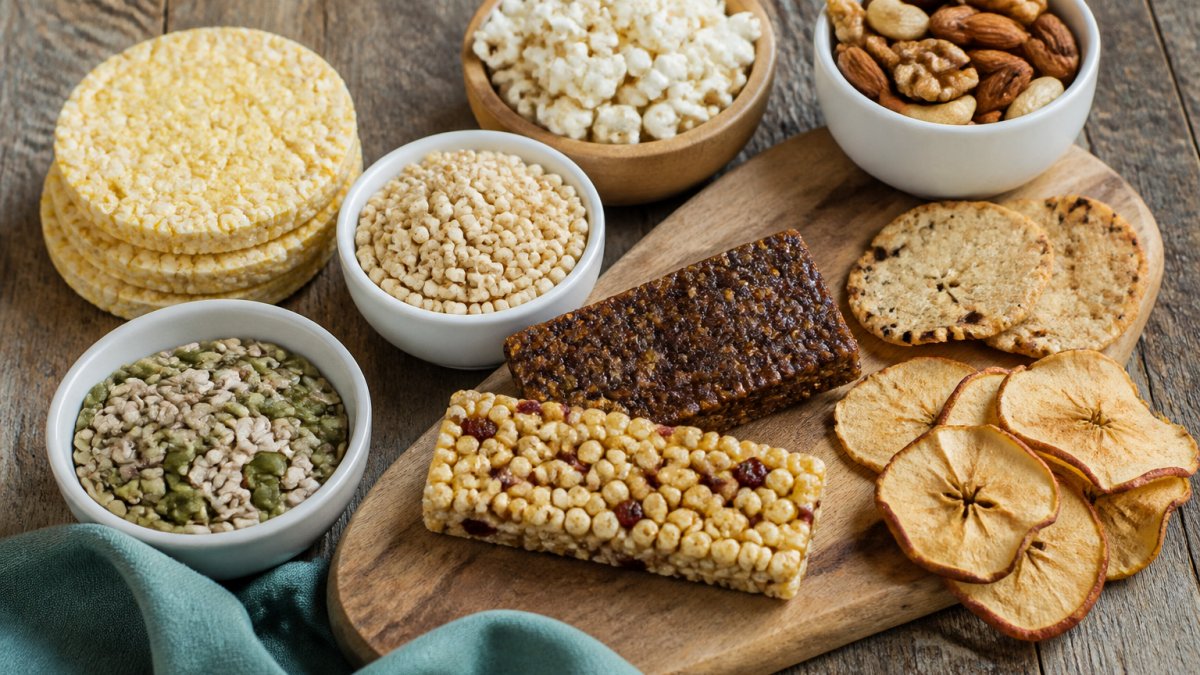
Effective snacks include Greek yogurt with berries, a handful of nuts with an apple, hummus with whole-grain crackers, or a bar formulated with plant-based protein and whole food ingredients. Each combination provides sustained energy through a mix of macronutrients your body processes gradually.
The timing matters too. Eating a substantial snack 2-3 hours after breakfast prevents the mid-morning energy crash. A protein-rich snack in the afternoon maintains focus and prevents overeating at dinner. Most people benefit from 1-2 planned snacks daily rather than reaching for whatever's convenient when hunger hits.
Premium Healthy Snacks Worth the Investment
Why Quality Ingredients Cost More
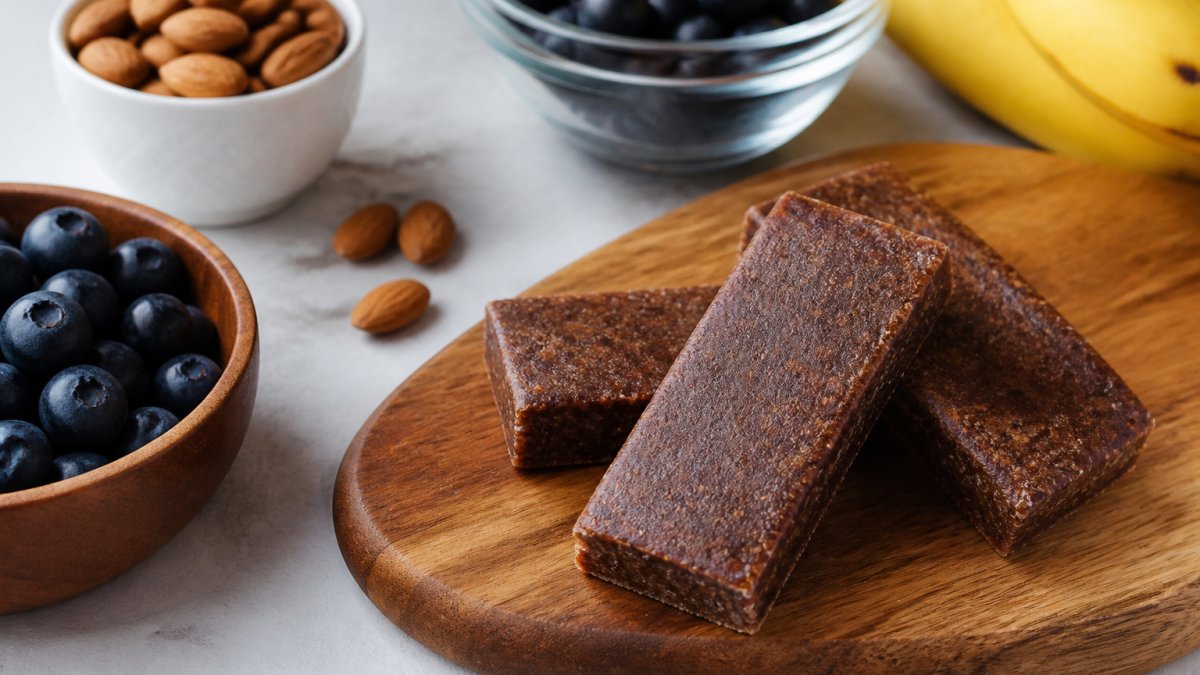
Premium snacks cost more because they use whole food ingredients without shortcuts. A bar made with cold-pressed oils, organic nuts, and minimal processing requires more labor and higher-quality raw materials than a mass-produced bar using refined oils and added syrups.
Quality also involves verification. Small-batch producers test their products for polyphenol content, ensuring the claimed antioxidant levels actually exist. Mass producers often skip this step, relying on ingredient lists to suggest nutritional value without confirming it.
Sourcing matters too. Organic ingredients cost more because they're grown without synthetic pesticides and often involve more labor-intensive farming practices. A bar made with organic plant-based ingredients from verified suppliers costs more than one using conventional ingredients, but you're paying for measurable differences in nutritional quality and production standards.
Reading Labels for Real Nutritional Value
Look beyond marketing claims to the actual nutrition facts panel and ingredient list. A bar labeled "superfood-packed" means nothing if the first ingredient is added sugar. A genuinely nutrient-dense bar lists whole foods first: nuts, seeds, dried fruits, plant-based proteins.
Check the fiber content, a quality snack provides at least 3-5 grams per serving. Protein should be substantial enough to support satiety; aim for 8-12 grams from whole sources like nuts, seeds, or plant-based proteins.
Ingredient count tells a story. A bar with 8-12 ingredients (all recognizable) is likely made with whole foods. A bar with 25+ ingredients often contains additives, thickeners, and preservatives that complicate digestion without adding nutritional value.
At Pranam Bars, we formulate with this principle in mind: our bars deliver antioxidants and plant-based protein through whole food ingredients, not through added supplements or synthetic compounds. Each bar is tested for polyphenol content to verify the antioxidant levels we claim.
Watch Out Beware of "natural" claims without substance. The FDA doesn't regulate the term "natural," so it can appear on products containing refined ingredients and added sugars. Check the nutrition label, not the marketing copy.
How to Build a Balanced Diet Around These Foods
A truly healthy diet isn't about perfection or elimination, it's about patterns and proportions.
Consistency matters more than intensity. Eating leafy greens daily, berries several times per week, and nuts regularly delivers better results than occasionally buying expensive superfoods and forgetting them. A sustainable pattern beats an extreme approach you'll abandon within weeks.
Include variety. Different colored vegetables provide different polyphenols and nutrients. Eating spinach daily is good; eating spinach, kale, broccoli, and bell peppers throughout the week is better. Your body benefits from diverse plant compounds that different foods provide.
Plan snacks intentionally. Rather than reaching for whatever's available when hunger hits, prepare snacks in advance. Keep nuts, seeds, fresh fruit, and quality bars accessible.
Hydration supports everything. Water enables nutrient absorption, digestion, and energy production. Most people benefit from drinking water consistently throughout the day rather than trying to catch up at once.
What the Science Actually Shows (and What It Doesn't)
Health claims about food are often overstated. A food containing polyphenols doesn't "cure" inflammation, it may support your body's natural anti-inflammatory processes when consumed regularly as part of a balanced diet.
Research shows that polyphenol-rich foods support overall health and well-being when consumed consistently.
The science also shows that whole foods work better than isolated compounds. Taking an antioxidant supplement doesn't deliver the same benefits as eating antioxidant-rich foods.
What the science doesn't show is that any single food is a magic solution.
According to research from the Harvard School of Public Health, the pattern of eating whole plant foods matters more than individual foods.
The practical takeaway: choose foods high in antioxidants and nutrients, eat them regularly, and combine them with other healthy habits.
Building a diet around whole foods that support overall health and well-being doesn't require expensive products or complicated rules.
Frequently Asked Questions
What are the best foods for overall health?
The best foods for overall health combine nutrient density with minimal processing. Leafy greens, berries, nuts, seeds, legumes, and whole grains provide essential vitamins, minerals, fiber, and polyphenols your body needs. Plant-based whole foods support digestion, reduce inflammation, and provide sustained energy. Rather than focusing on individual 'superfoods,' aim for variety across food groups. Whole foods like broccoli, chia seeds, quinoa, and dark chocolate deliver measurable antioxidants and support long-term well-being.
Which foods are naturally high in antioxidants?
Antioxidant-rich foods include berries (blueberries, blackberries), dark leafy greens (spinach, kale), dark chocolate, nuts and seeds (almonds, flaxseed), and cold-pressed oils. These foods contain polyphenols and other compounds that combat oxidative stress in your body. Broccoli sprouts, pomegranates, and green tea are also excellent sources. The key is consuming these foods regularly as part of a balanced diet rather than relying on any single source for all your antioxidant needs.
What should you look for in a healthy snack?
A truly healthy snack contains whole food ingredients with minimal processing, adequate protein and fiber to keep you satisfied, and no added sugars or artificial additives. Check the ingredient list first, you should recognize most items. Look for organic certification if pesticide exposure concerns you, and verify gluten-free status if you have sensitivity. Portion size matters too; a snack should provide 150-250 calories and bridge the gap between meals without spiking blood sugar.
Can plant-based snacks support a balanced diet?
Yes, plant-based snacks can absolutely support a balanced diet when they contain whole food ingredients and adequate protein. Plant-based bars and snacks made from seeds, nuts, legumes, and grains provide fiber, essential amino acids, and polyphenols. They work best as part of a varied diet that includes whole vegetables, fruits, and other nutrient-dense foods. The advantage of plant-based snacks is their digestive benefits and anti-inflammatory properties, especially when formulated with gut health in mind.
Shop Bars Now

Comments